Voyager 1 celebrates one light-day with a nice lie-down
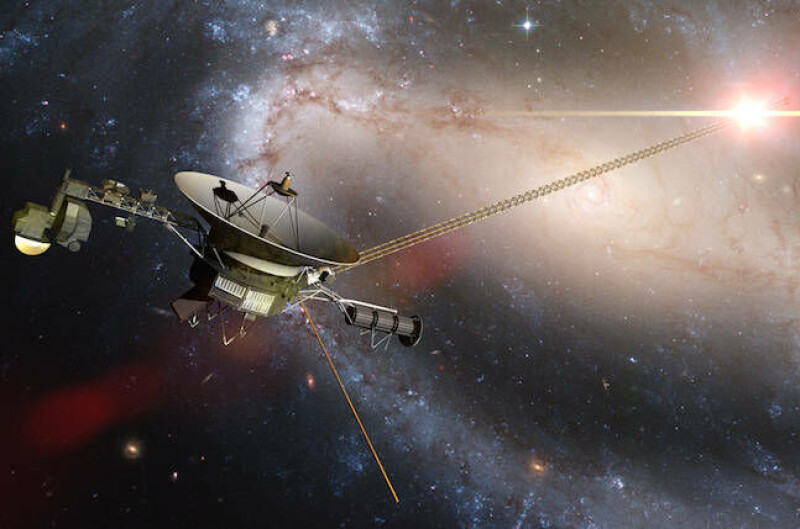
Carrier signal still reaches Earth, but science and engineering data have gone AWOL
Voyager 1 marked its milestone of one light-day from Earth in time-honored fashion: by giving controllers the silent treatment.
On November 14, the mission team noticed that the veteran spacecraft had stopped returning science and engineering data. A Deep Space Network antenna in Canberra, Australia, picked up its carrier signal, but no data.
The carrier signal indicates that Voyager 1 can still keep its antenna pointed at Earth and operate its transmitting equipment. However, something could be amiss with the system responsible for collecting and collating data from the spacecraft.
REG AD
Something similar happened in 2023. After a few months of troubleshooting, engineers managed to coax a response from the probe, and by June 2024, NASA was delighted to announce that the spacecraft was back in action.
REG AD
The problem was traced to a faulty computer chip, and engineers devised a software update to work around the defective hardware. That experience will stand the team in good stead this time around.
There was also a brief interruption in communications with Voyager 1 in October, which could have been caused by the spacecraft dropping into safe mode after a thruster failover occurred. Engineers are investigating whether the two incidents are connected.
The Voyagers have an impressive amount of fault protection built in, which has contributed to their extraordinary longevity. It will be half a century in 2027 since the spacecraft were launched, so glitches are understandable and likely.
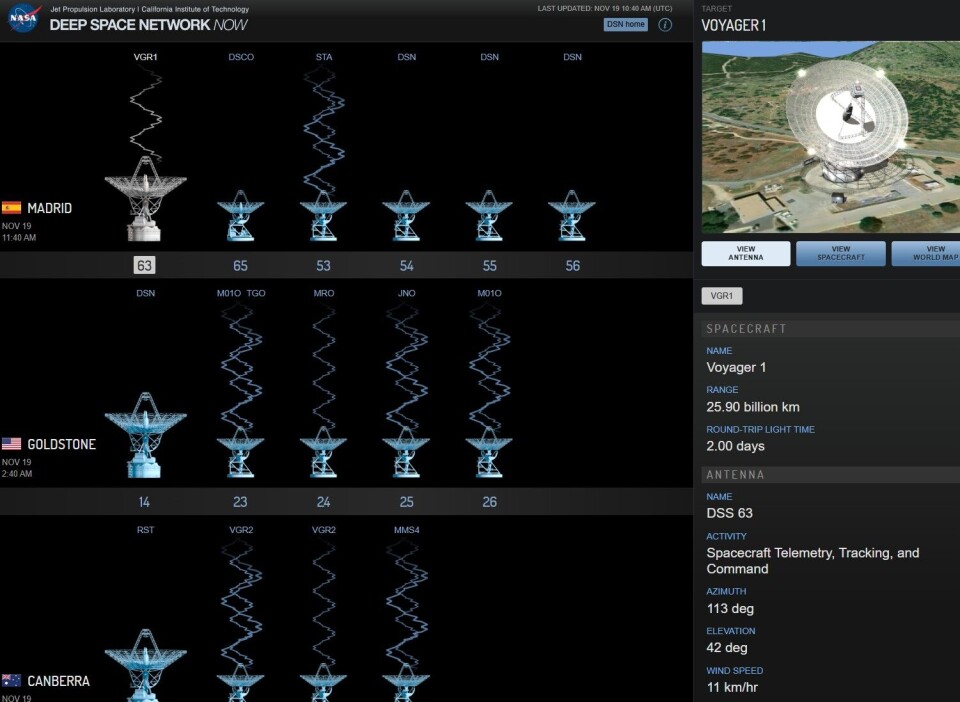
NASA expects to confirm on November 19 that Voyager 1 was still operating when it reached one light-day from Earth on November 18, using its carrier signal and trajectory calculations. The day's delay neatly illustrates a major headache for engineers: communication latency.
It now takes more than 24 hours for commands to reach the spacecraft, and the same amount of time for a response to be received. Diagnosing the fault could therefore take weeks or longer. ®
KioskNews shows a cleaned-up reading view extracted from the publisher’s page — the original always lives on their site, not ours.