Delhi uses 78% funds to clean air, but fresh allocation on hold since 2024
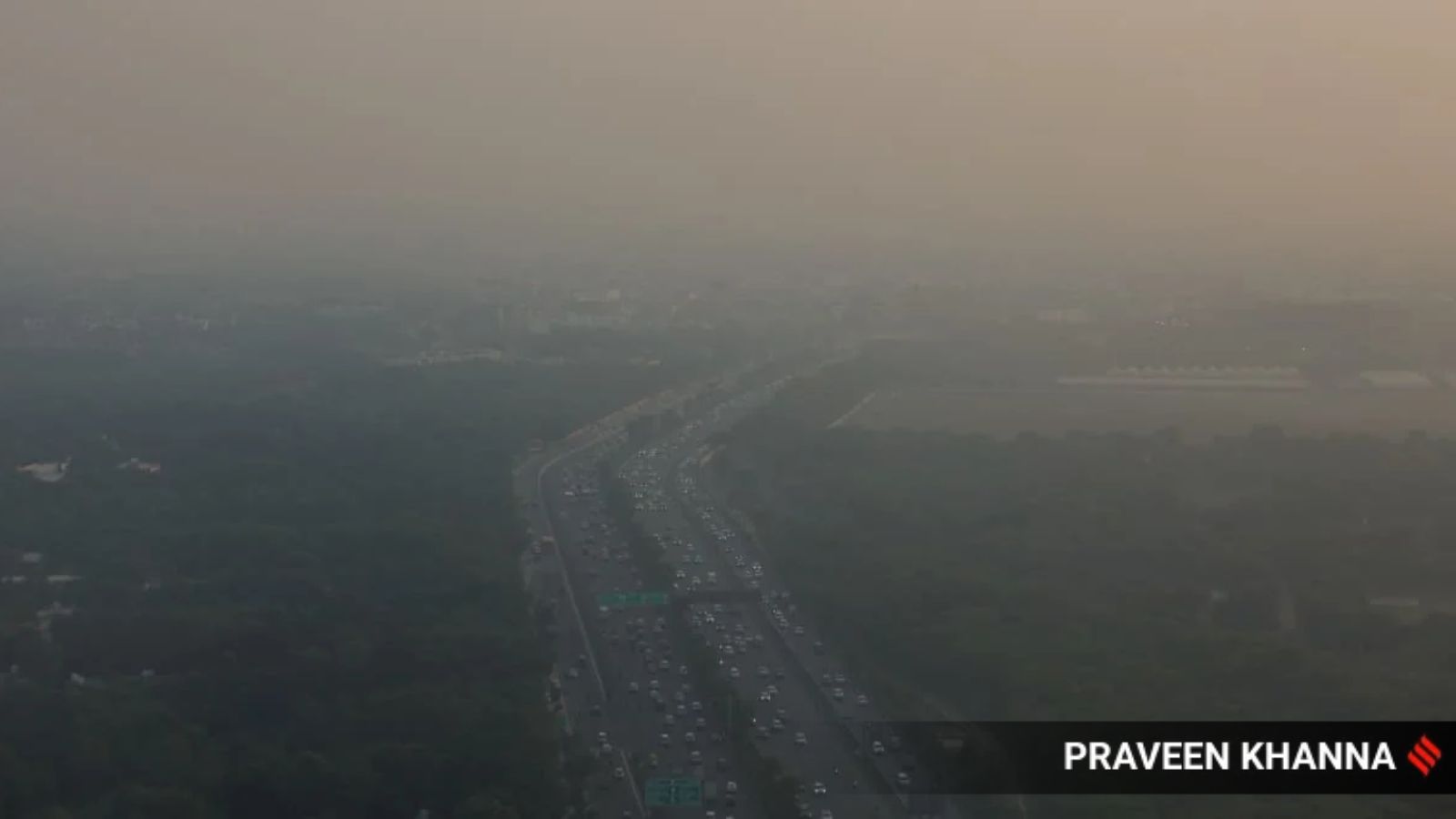
Delhi has spent nearly 78% of the funds it received under the National Clean Air Programme (NCAP) for the first time since the initiative began in 2019. But despite meeting the requirement of utilising minimum 75% of the funds to qualify for a fresh grant, the Capital has received no fresh allocation since 2024-25.
This comes at a time when the future of the Centre’s flagship NCAP funding remains uncertain. The 16th Finance Commission has discontinued dedicated air quality grants that financed the bulk of the programme. The Union Environment Ministry is now in talks with the Finance Ministry on how the scheme, which covers 130 cities, will be funded in the coming years, The Indian Express has learnt.
NCAP grants finance several of the interventions cities rely upon to curb particulate pollution, including mechanised road sweeping, road paving, dust-suppression measures and urban greening, among others.
Under NCAP rules, each city must spend at least 75% of the funds they receive, submit details of how the money was used and complete pending work before becoming eligible for subsequent instalments. According to official records, Delhi has spent Rs 63.39 crore of the Rs 81.35 crore released to it so far.
In other NCR cities, progress remains uneven.
Noida in Uttar Pradesh has utilised Rs 34.32 crore of the Rs 84.24 crore it received, utilising only 41% of the money. Its source-apportionment study – meant to identify the major sources of pollution in the city – remains under process.
Faridabad in Haryana, meanwhile, has spent around 72% of the Rs 138.97 crore released to it, while Khurja in Uttar Pradesh has utilised 61% of its Rs 33.48 crore allocation, up from 51.11% in June. Alwar in Rajasthan has also crossed the 75% mark, spending around 77% of its funds. Ghaziabad and Meerut in Uttar Pradesh have spent almost all the money released to them.
With even cities that have met this requirement now awaiting clarity on fresh allocations, a senior official aware of the matter said, “We are in discussions with the Finance Ministry. Nothing has been finalised yet… The 15th Finance Commission cycle has ended and discussions are on regarding the way forward. Once those discussions conclude, allocations will be decided.”
Story continues below this ad
“Ideally, the financial year cycle should be followed, but releases generally happen with some delay because fund utilisation has to be assessed first. Cities have to meet the 75% conditions, which is the bare minimum… we would have liked it at 100%. They (state governments) should submit utilisation certificates and show progress on implementation. So, there is some lag in release.”
The NCAP money reaches cities through two channels. The Environment Ministry funds 82 cities that have consistently failed to meet air quality standards, through its Control of Pollution scheme. Another 48 cities with populations of over a million receive funds through the 15th Finance Commission’s air quality grant.
In NCR, Delhi, Noida, Khurja and Alwar receive fall in the first category, while Ghaziabad, Meerut and Faridabad are funded by Finance Commission grants.
The Finance Commission grants made up the larger share of the programme’s funding. Of the Rs 19,611 crore set aside for NCAP up to 2025-26, Rs 16,539 crore came through these grants, while Rs 3,072 crore was earmarked through the Environment Ministry to 82 cities.
Story continues below this ad
By June this year, Rs 13,561 crore of the Finance Commission allocation and Rs 2,862 crore under the ministry component had been released.
However, the funding model changed when the 15th Finance Commission’s award period ended in March this year.
The 16th Finance Commission, whose recommendations for 2026-27 to 2030-31 were tabled in Parliament earlier this year, discontinued sector-specific grants, including air quality. Instead, it recommended a broader pool of urban local body grants, including basic and performance grants, wastewater infrastructure funding and an urbanisation premium. None of these allocations is earmarked specifically for air quality.
This leaves the Environment Ministry as the only dedicated source of funding for NCAP. The programme does not have a separate budget and is financed through the ministry’s Control of Pollution scheme, which also supports pollution control boards and air quality monitoring infrastructure.
Story continues below this ad
The scheme has been allocated Rs 1,091 crore for 2026-27, lower than previous year’s revised allocation of Rs 1,300 crore.
The uncertainty persists despite a senior Environment Ministry official informing states at a review meeting in June that allocations for 2026-27 could be released within the next couple of months, officials said.
As of June, cities had used Rs 11,392 crore of the Rs 16,423 crore released under NCAP, or about 69%, leaving around Rs 5,000 crore unspent. Of the 130 cities, 82 had not crossed the 75% mark, including 58 funded by the ministry and 24 by the Finance Commission.
In Delhi, Environment Minister Manjinder Singh Sirsa had said tenders for several pollution control works were already in place and spending would pick up once work orders were issued. He had also said the government had secured an additional Rs 300 crore for measures to tackle pollution.
KioskNews shows a cleaned-up reading view extracted from the publisher’s page — the original always lives on their site, not ours.