Zambians warned not to eat dead wildlife after anthrax kills dozens of animals
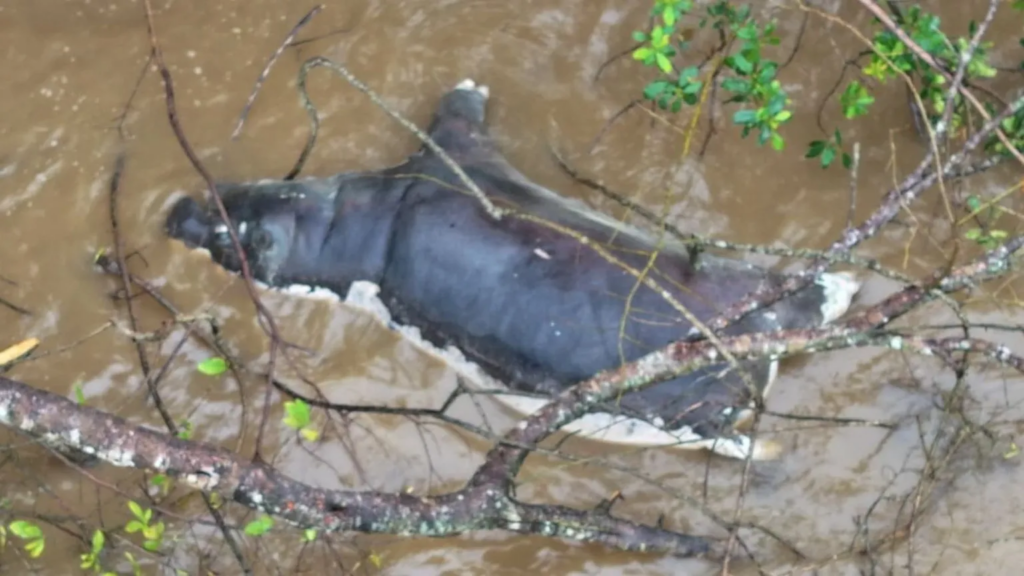
Authorities in Zambia have warned people not to eat meat from wildlife after dozens of wild animals, including hippos, elephants, buffalo and a crocodile died following an anthrax outbreak.
A disaster management agency official said over the weekend that 12 people had been infected with the disease after consuming dead wildlife in the Munyamadzi River area.
The official urged the public not to consume meat from animals that die naturally or from unknown causes, while urging the public to report any such cases.
Authorities have also called for hunting in the affected area to be suspended until the extent of the disease and associated risks are established.
Officials have not yet ascertained the full geographical extent of the latest outbreak, with surveillance and laboratory investigations ongoing.
Anthrax is endemic to Zambia but human deaths are not common. In 2023, the country experienced what was described as an "unprecedented outbreak", which killed four people and spread to nine out of 10 provinces.
Another large-scale outbreak was reported in 2011, with more than 500 cases, when five people died after consuming meat from infected hippos.
In the latest outbreak in the Munyamadzi Game Management Area, in Muchinga province, Zambia's Disaster Management and Mitigation Unit said 46 hippos, eight elephants, five buffaloes and one crocodile had died since July.
"The sad story about the deaths of this wildlife is that the carcasses ended up being eaten by the local people - that's what they depend on for their food," said the unit's national coordinator Norman Chipakupaku.
No human deaths have been reported, and the 12 infected people are currently receiving treatment.
Anthrax is caused by a bacteria called Bacillus anthracis, which largely survives as spores that hide away in soil for years before entering an animal through inhalation or a cut or wound.
It mainly affects grazing animals and can lead to sudden death. It can be transmitted from animals to humans through contact with contaminated animal products.
Zambians have been urged not to consume, sell, distribute or handle meat from animals that have died suddenly or from suspected anthrax. The public has also been advised against handling wild animals.
DISCLAIMER: The Views, Comments, Opinions, Contributions and Statements made by Readers and Contributors on this platform do not necessarily represent the views or policy of Multimedia Group Limited.
Tags:
DISCLAIMER: The Views, Comments, Opinions, Contributions and Statements made by Readers and Contributors on this platform do not necessarily represent the views or policy of Multimedia Group Limited.
KioskNews shows a cleaned-up reading view extracted from the publisher’s page — the original always lives on their site, not ours.