Before 'The Matrix,' The Wachowskis Put a Queer Spin On the Crime Thriller


Bradley is an experienced and award winning journalist and all around entertainment fanatic. He is a passionate film and TV fan and long time attendee of San Diego Comic Con.
It's hard to remember a time before The Matrix, the mind-blowing science fiction epic that made a name for directing duo Lana and Lilly Wachowski. While the merits of their later films are up for debate, the cyberpunk odyssey was a massive global phenomenon for a reason, showcasing amazing visual effects, epic fight sequences, and an original story on top of that.
As such, the Wachowskis quickly became big names in Hollywood, even being offered multiple blockbusters before making the Matrix trilogy. But one of the siblings' first forays into cinema was often overlooked, despite being equally groundbreaking and entertaining. That film was 1996's Bound, which put the Wachowskis in prime position to make the sci-fi saga many know and love today.
Bound had major queer representation.
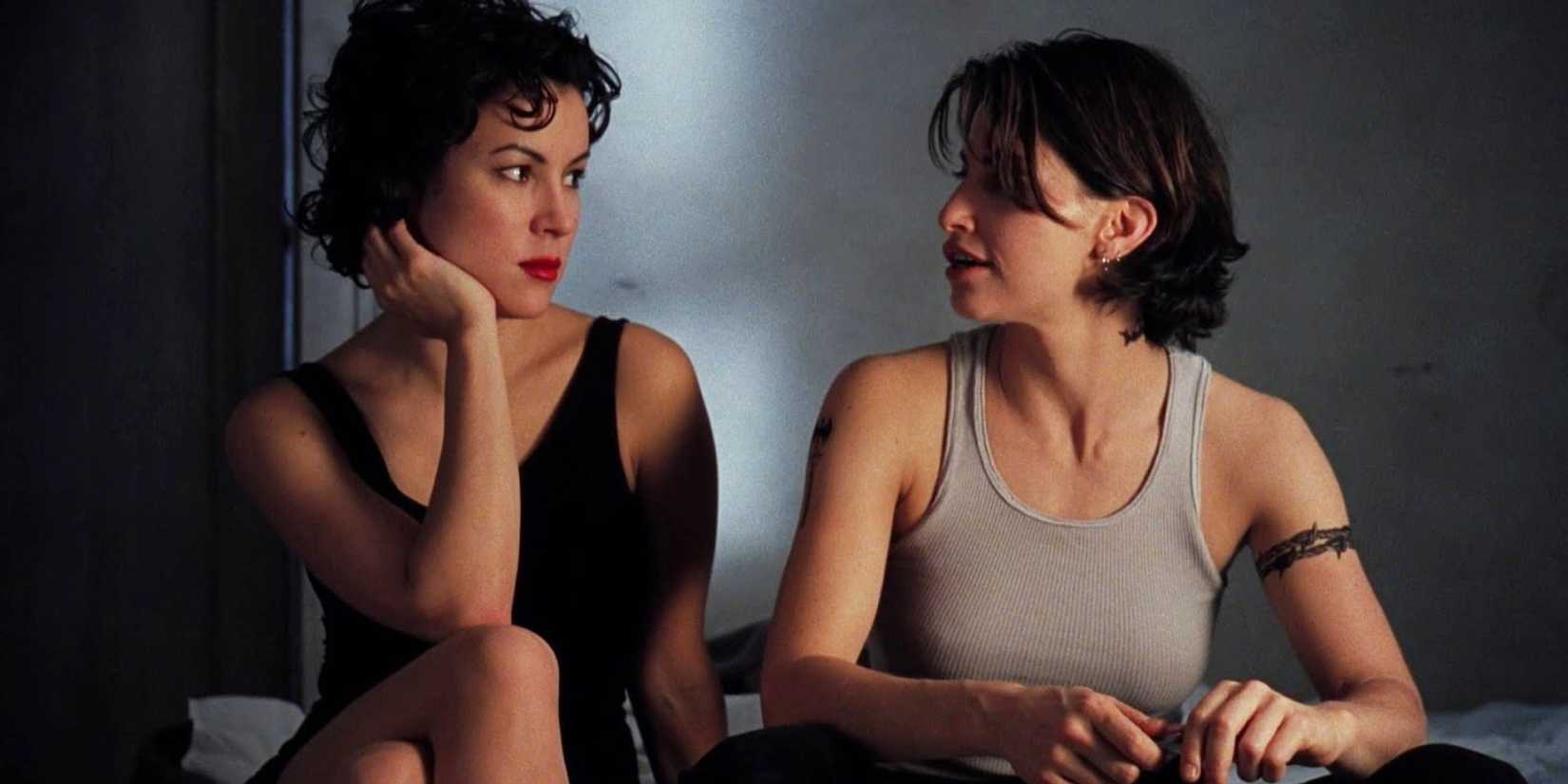
Long before Lana and Lilly Wachowski both came out as transgender and became loud voices in the fight for trans rights, they wrote and directed Bound, which made headlines for centering around a lesbian couple, Corky (Gina Gershon) and Violet (Jennifer Tilly). At the time of the film's release in 1996, to make a major film showcasing a same-sex couple in any genre, much less a crime thriller, was all but taboo. Lana and Lilly, however, had the foresight to shine a spotlight on queer stories even before it became far more acceptable in society and in mainstream media.
Not only do Violet and Corky occupy most of the film's screen time with their romance, but the pair even make love in a sex scene that for the time, was a big deal. Nowadays, queer stories are far more common, in the case of the recent Teenage Sex and Death At Camp Miasma, but back in the 90s, studios wanted the Wachowskis to rewrite the story to be heterosexual, which they refused to do. Lana and Lilly understood the importance of representing a healthy same-sex love story long before the world caught up to their vision.
The crime thriller formula is shaken up.

In most other films of the crime genre, men are in charge and women are often disregarded by the narrative. In Bound, the gender roles are reversed, as Violet plans on turning the tables on her gangster boyfriend, Caesar (Joe Pantoliano), and stealing his money so she and Corky can run away together. This puts the women of the story in the driver's seat and makes the male perspective far less important, an idea that, again, most modern films are catching up to. Female protagonists are on the rise in various genres, but Bound took it to another level.
In addition, arguably the most important element of the film is the fact that Violet and Corky are successful in their goal and escape together, getting a happy ending. The "Bury your gays" trope is still rearing its ugly head in Hollywood and even past films with queer characters didn't treat them well, but the Wachowskis flipped the script there too. In a crime film where anybody could die at any moment, the minorities come out victorious, while the men in power do not, which was and is extremely refreshing.
With its thirtieth anniversary, Bound has aged better than most thrillers in terms of its unique take on the genre and its major representation of queer stories. The Wachowskis have always been forward-thinking in their stories and this film is the perfect precursor to their science fiction epics in that way.
KioskNews shows a cleaned-up reading view extracted from the publisher’s page — the original always lives on their site, not ours.