Why cereal and bread could actually be good for you
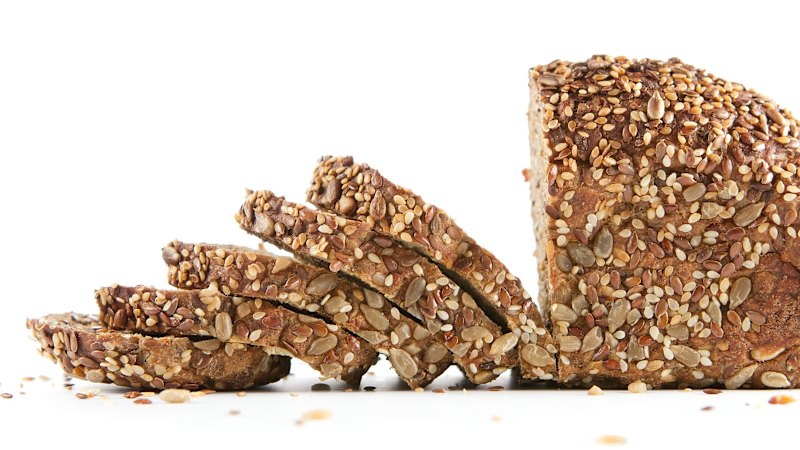
Breakfast cereals and bread have been given a reprieve by nutritionists, who have admitted that some ultra-processed foods are not that bad for health after all.
Harvard University has found that the nutritional quality of food is far more important than the processing level when it comes to long-term health.
British experts said the results provided an important balance to the current “scaremongering” about ultra-processed foods (UPFs).
The study of more than 200,000 people showed that quality of diet was important to lower the risk of heart disease, type 2 diabetes, and death, regardless of the level of food processing.
Processing ‘not inherently harmful’
The best recipes from Australia's leading chefs straight to your inbox.
While many ultra-processed foods are high in sugars, salt and refined carbohydrates, others, such as fortified breakfast cereals, whole-grain bread and canned beans contain important nutrients, fibre and antioxidants, the authors argued.
Conversely, many unprocessed foods, such as homemade cakes, fruit juice, potatoes, red meat and white rice can be unhealthy.
Researchers said it was still important to limit processed foods with low nutritional value such as hamburgers, chips, pizza, doughnuts, fizzy drinks and biscuits.
Dr Xiaowen Wang, of the department of nutrition at Harvard’s TH Chan School of Public Health, said “while many ultra-processed foods tend to be of poor nutritional quality and should generally be limited or avoided, processing itself is not inherently harmful.
“Focus on what you’re eating overall, not just whether it’s processed. A healthy plant-based diet rich in whole grains, fruits, vegetables, nuts, legumes and healthy plant oils is beneficial, even if it includes some processed foods.”
More nuance around UPFs
In Britain, the average person consumes 56 per cent of their daily calories through UPFs, and previous research has shown they can have a detrimental effect on almost every organ of the body.
Many UPFs are created from pre-digested ingredients, so the gut does not get the normal signals telling it not to overeat, leading to overconsumption. A study is ongoing to see whether UPFs could be behind the rise of bowel cancers among under-50s.
But recently, scientists have started to believe the truth about ultra-processed food may be more nuanced.
For the new study, scientists examined the diets of people involved in three studies across three decades. Their diets were classed into one of four categories: healthy/ultra-processed, healthy/minimally processed, unhealthy/ultra-processed and unhealthy/minimally processed.
About half of the study participants had died or developed heart disease or type 2 diabetes in the intervening years, and healthy diets were associated with a lower risk, while unhealthy diets were associated with higher risk.
However, the risks were almost identical regardless of whether the diet was ultra-processed or minimally processed.
“Advising people to universally avoid ultra-processed foods can lead to lower diet quality since healthy ultra-processed foods are beneficial and unhealthy minimally processed foods are detrimental,” added Dr Wang.
“These are important findings because they may help people to feel less anxious about eating the processed foods that are affordable, perfectly healthy and part of everyday life.”
Dr Beverley O’Hara
Commenting on the research, Dr Beverley O’Hara, lecturer in public health nutrition at Leeds Beckett University, said “the study appears to be an important counterbalance to the large number of poor-quality studies that have led to widespread scaremongering about UPFs.
“The results also showed that both processed and unprocessed healthy plant-based diets were protective against cardiovascular disease.
“These are important findings because they may help people to feel less anxious about eating the processed foods that are affordable, perfectly healthy and part of everyday life.”
Dr Aisling Daly, senior lecturer in nutrition at Oxford Brookes University, added: “Advising people to blanketly avoid processed foods is not a helpful approach, so having a way to help consumers balance both processing level and nutrient quality would be a beneficial public health strategy, which would likely improve health outcomes.
“We have placed too much emphasis on processing level, without recognising that some processing is beneficial to our health, and other processing is not directly harmful to our health.”
The research was presented at Nutrition 2026, the annual meeting of the American Society for Nutrition.
KioskNews shows a cleaned-up reading view extracted from the publisher’s page — the original always lives on their site, not ours.