Country diary: Thrilled by Darwin, and the wonder of worms | Lev Parikian
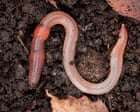
The garden beds are moistened by steady rain, but the ground is still unyielding. A blackbird hops across bare soil. A dart, a jab, and up it comes – a wriggling tube of pink flesh. A simple catch. But when I rummage in the dirt, my only reward is loam under the fingernails. Perhaps I should have brought a bassoon.
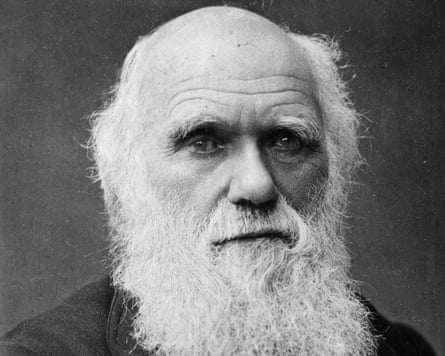
I’ve come to Down House. Here, Charles Darwin changed the world. And here he wrote his last book, its title usually shortened for convenience: Earthworms.
“I know not whether it will interest any readers, but it has interested me,” he said. Quite the understatement. When a subject interested Darwin, no aspect of it escaped scrutiny, and earthworms had occupied his mind for decades. They were regarded by many as lowly creatures of the dirt, but he understood their worth.
He tested their potential for intelligence, their sensitivity to atmospheric variations, their senses of taste, smell and hearing. The latter involved his son Frank attempting to stimulate them by tootling his bassoon. It’s no small wonder to stand in Darwin’s study, surrounded by his paraphernalia. All those years of painstaking labour and rigorous observation in the quest for truth… Crikey!
Outside, a circular stone slab sits embedded in the grass. It’s the base for a “wormstone” – a wood-and-copper apparatus that measured the amount and rate of their soil displacement. A layer of about 2mm a year, it turned out. Darwin concluded that few animals “have played so important a part in the history of the world”. He wasn’t wrong – a modern estimate reckons that every 10 years, earthworms turn over the equivalent of all the soil on earth to a depth of one inch.
I prod the ground. Still too hard. Away from the damp loam of the kitchen garden, they’ll be hard at work, aerating and mixing, grinding and digesting organic matter, their excretions converting unpromising clumps into fertile humus. Custodians of the soil.
As I consider those worms, going about their business under my feet, I’m struck by a fanciful thought. Their ancestors were participants in the great man’s final project. Just for a moment, absurd though it is, the connection with something so special feels thrillingly tangible.
KioskNews shows a cleaned-up reading view extracted from the publisher’s page — the original always lives on their site, not ours.