Burnham’s flagship council housebuilding pledge faces £7bn blackhole to meet demand
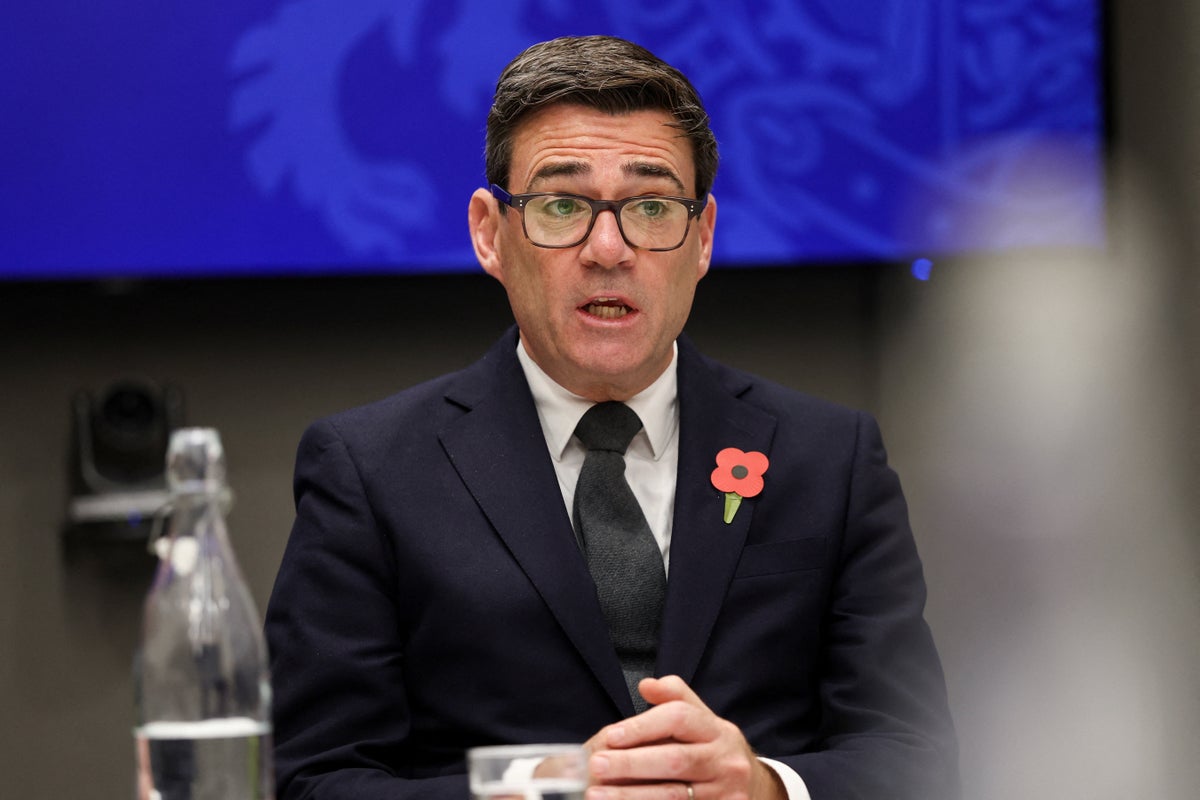
Andy Burnham is at risk of failing to deliver his flagship pledge to oversee the “biggest council housebuilding drive since the postwar period” if he does not provide £7bn of extra funding, a new report has warned.
The prime minister promised a “historic council housebuilding comeback” shortly after he returned to parliament in the wake of his victory in the Makerfield by-election.
He has since pledged more than £40bn for the 10-year social and affordable homes programme (SAHP), including an extra £1.5bn unveiled at this week’s Budget.
But a new report from the New Economics Foundation (NEF) has warned he risks falling short of his promise unless he provides a further £7bn boost to the programme at the next spending review.
Homelessness charity Shelter said the Budget funding boost “falls short” of what is needed to tackle the country’s housing crisis, while charity Crisis said the government needs to “shift gear” in order to meet its targets.
The report, seen by The Independent, says the government’s current plans will see an average of 18,000 social homes built a year over the next decade.
However, housing experts including Crisis, Shelter and the NEF say England needs 90,000 new social homes a year to meet current demand.
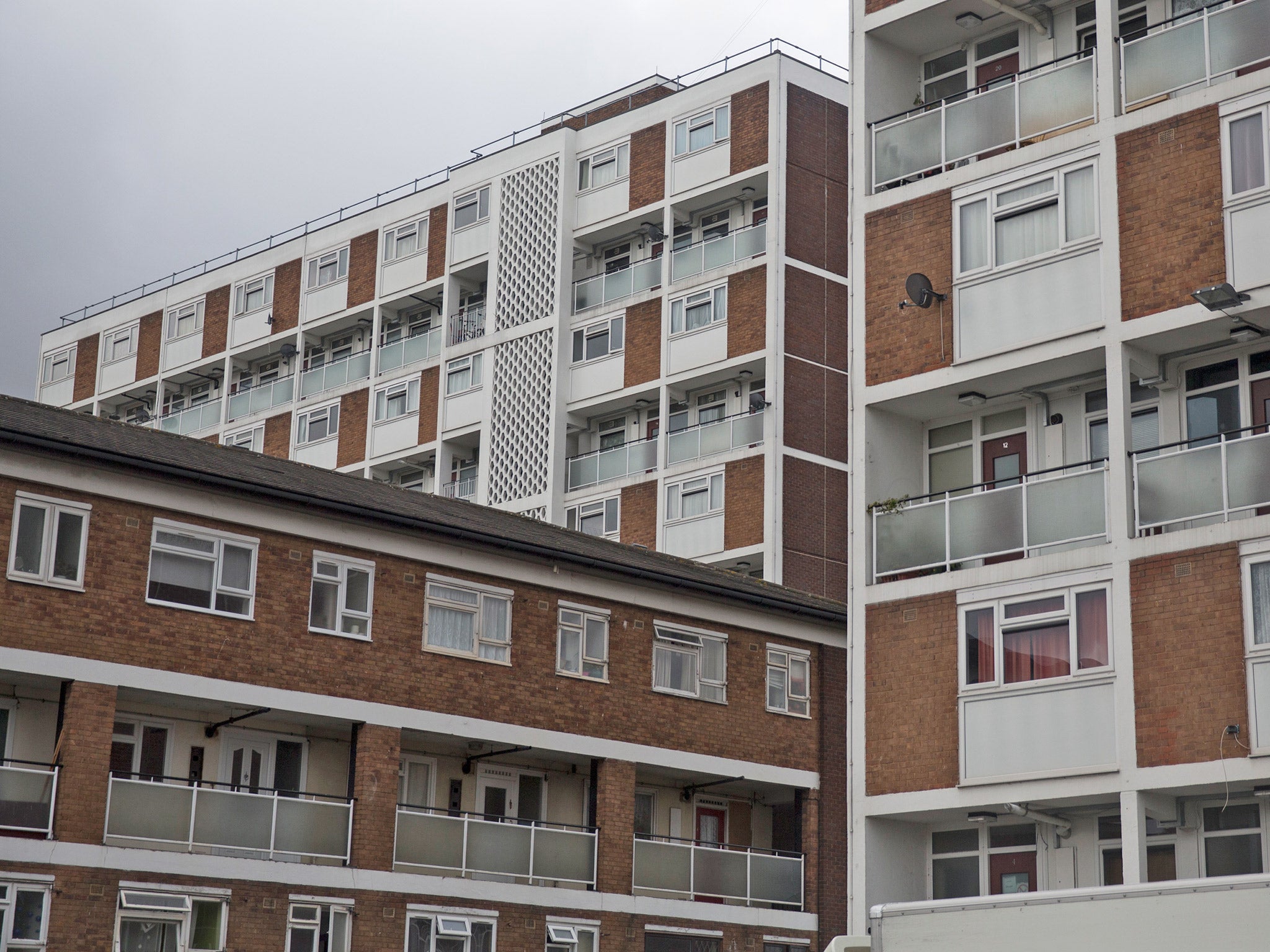
During the post-war peak in the 1970s, English local authorities built an average of 103,000 homes every year. But in the five years to 2025, they managed to build just 2,000 annually.
The NEF report states that current delivery plans are projected to deliver just a “fraction of the post-war peak in new social housing” and says the SAHP must be scaled up “if the government is serious about delivering record post-war levels of social housing”.
Molly Harris, senior researcher at NEF, said: “Investing in new social homes is our only way of solving the housing crisis for good. Households stuck on waiting lists are facing overcrowding, rent they can’t afford, or a years-long stay in temporary accommodation.
“The prime minister clearly understands the importance of social homes, with councils at the forefront, but this month’s budget and next year’s spending review need to back this up with hard cash.”

If an extra £7bn of funding is delivered by the end of the spending review, with more spent earlier in the programme, the report states SAHP could fund over 100,000 new council and social homes by 2030.
This rate of growth would put England on track to building the 90,000 council and social homes a year by 2032-33.
Mairi MacRae, acting chief executive of Shelter, said building social homes at scale is “paramount” and warned the government must provide more funding to “do even more”.
“Councils used to deliver hundreds of thousands of social homes, but decades of poor political choices have depleted the supply,” she said. “The funding boost in the Budget to build more is a significant investment but falls short of what's needed to meet the country’s dire housing need.
"To deliver the biggest council housebuilding programme since the postwar period, the government must do even more. This starts with further increasing funding for the Social and Affordable Homes Programme, as well as removing the historical housing debt from council balance sheets that’s blocking them from building.
“By re-visiting its fiscal framework the government has the power to unlock the kind of investment needed to truly deliver council homes at scale."
The Conservatives said the report showed the prime minister and housing minister Angela Rayner are “once again making promises without any real plan for delivery”.
Shadow housing secretary Katie Lam said: “We all want to see the homes Britain needs get built. But Labour's plan will cost billions, and we still have no idea where the money is coming from. We can only assume this will mean more tax rises and more borrowing.
“The Conservatives will slash net zero red tape to make it cheaper to build, make sure that new social housing tenancies only go to British nationals, and scrap stamp duty to unfreeze the housing market, releasing more homes to rent and buy.”
The Budget watchdog, the Office for Budget Responsibility (OBR), also said in its report that the government would need to build more if it was to stick to its commitment on social housing.
It said if it were to return to council housebuilding to 1980s, the government would require at least a further 22,000 homes to be build each year in addition to those expected, at a cost of between £3bn and £4bn each year.
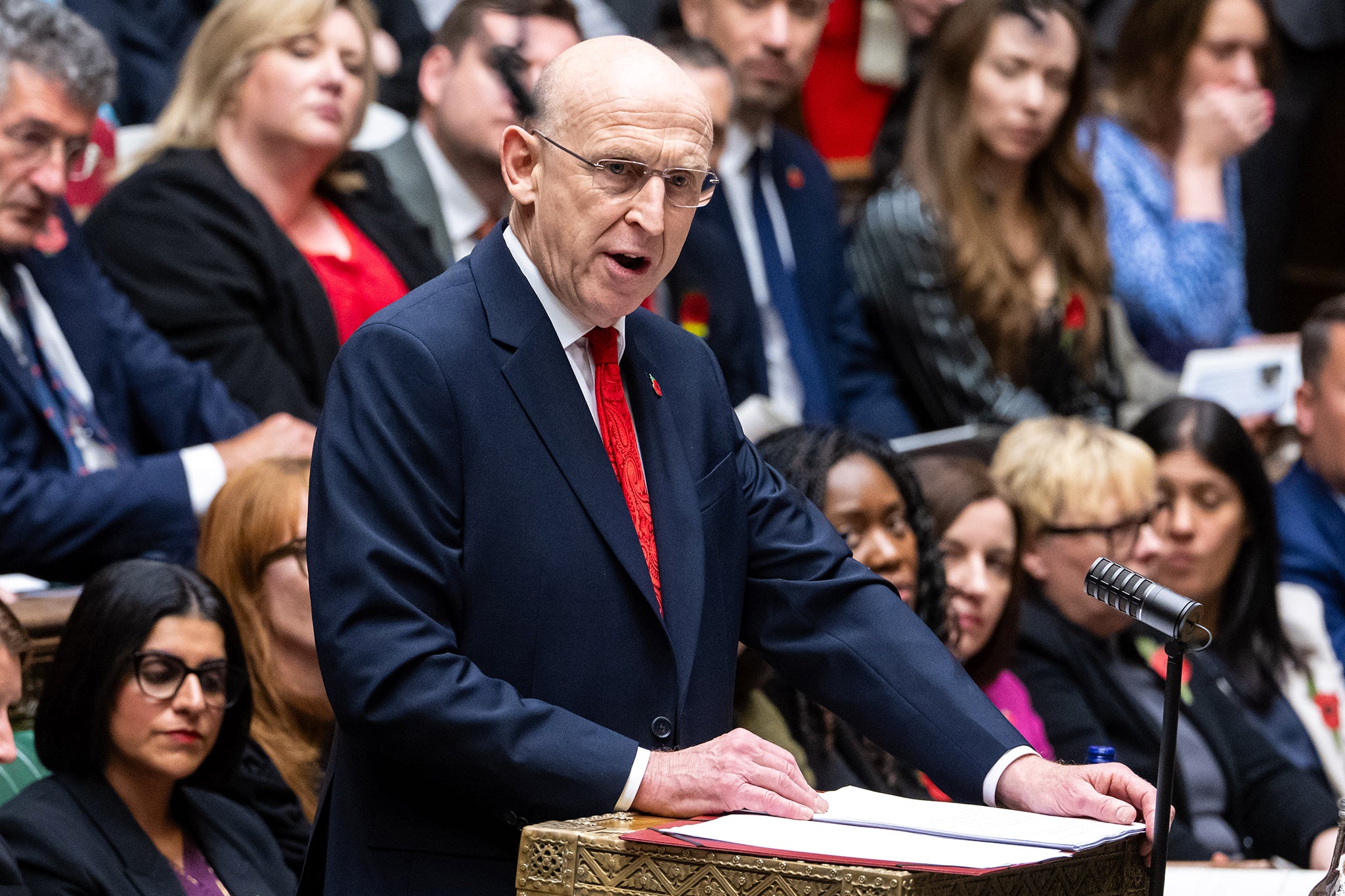
John Healey announced in his Budget this week that he would provide more than £1bn for social and affordable housing and give England’s mayors and regional leaders greater powers and funding.
Councils will be helped to borrow money from the government to invest in housebuilding by extending the offer of preferential interest rates.
The announcement of more money and more responsibilities for mayors is intended to boost economic growth across the country, which he said would make the most of “untapped and wasted” potential in English cities and regions.
Jasmine Basran, head of policy and campaigns at Crisis, said that while the investment in SAHP is a “significant step forward”, the government needs to “shift gears” to build more.
“To end homelessness, the best evidence shows we need to build 90,000 social homes a year,” she said.
“Over the past few decades we’ve come nowhere close to this number – there have been years where we’ve demolished more social homes than we’ve built and this is a major driver behind the record levels of homelessness we now have. We now need to shift gears and start to see new social rent homes being built at pace and at scale.”
Senior analyst at the Centre for Cities think tank, Maurice Lange, said there was “no getting around” the need to spend more money if Mr Burnham wants to fulfil his pledge.
“If a government wants to meet its ambition of building the most council and social homes since both war period, it will need to spend more money,” he said.
But he said the government will have to also make reforms to regulations to make housebuilding easier, and will have to “make incredibly challenging decisions given its fiscal position” in order to build more.
He said: “There are a lot of people living in dire or incredibly expensive or both housing conditions, and so you know the answer is yes. We need we need to be building a lot more than 18,000.”
The Ministry of Housing Communities and Local Government has been contacted for a comment.
KioskNews shows a cleaned-up reading view extracted from the publisher’s page — the original always lives on their site, not ours.