Blood sugar spikes may be tied to everyday habits you can control, expert says

Everyday habits — from what you eat for breakfast to how much you sleep — can have a significant impact on blood sugar levels, according to a metabolic health expert.
Maintaining healthy blood sugar levels is essential for energy, organ function and overall metabolic health, while frequent or prolonged spikes and drops can contribute to health complications.
Jim LaValle, a Texas-based clinical pharmacist and metabolic medicine expert, told Fox News Digital that understanding how food, exercise, sleep and stress affect blood sugar is key to keeping levels in check.
POPULAR DIET SLASHES LIVER FAT BY 67% WHILE REVERSING PREDIABETES IN SOME PEOPLE
LaValle recommends monitoring blood sugar after meals, known as postprandial glucose, to better understand how different foods, beverages and eating habits affect blood sugar levels.
"Do I spike more from eating rice, or do I spike from eating quinoa? How much can I eat?" he said. "I think that's a foundational issue."
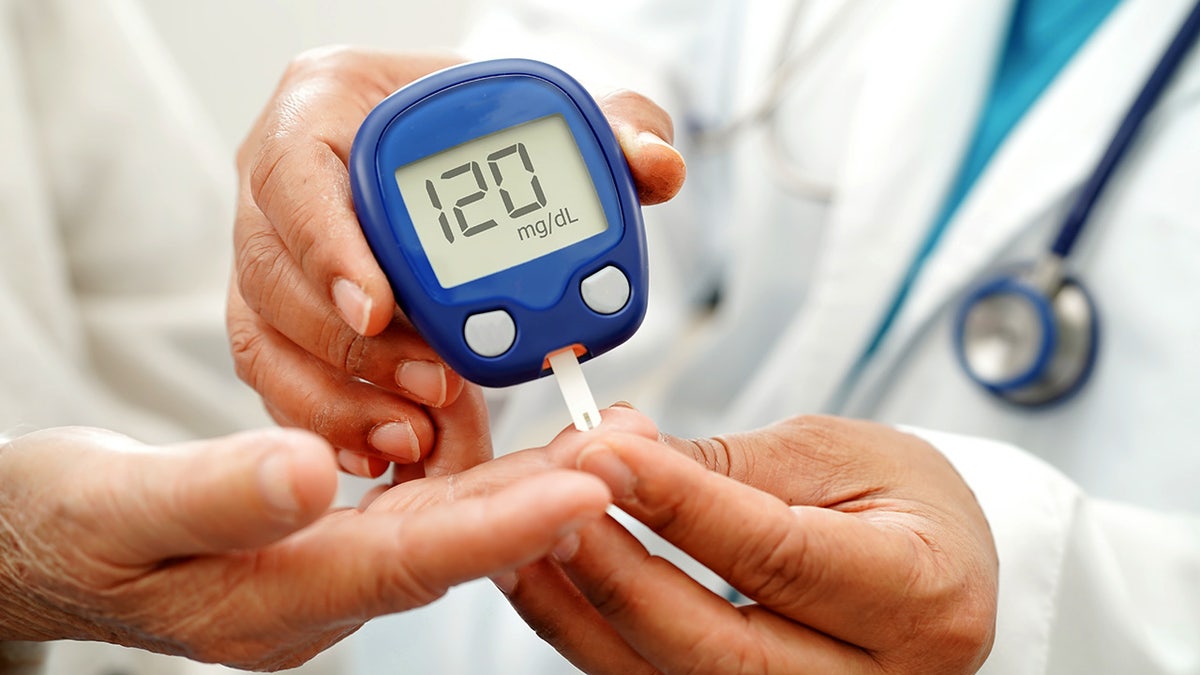
Stable glucose levels are essential for energy, organ function and overall metabolic balance, while spikes and drops can contribute to long-term health effects. (iStock)
The metabolic health expert noted that insulin resistance occurs when cells become less responsive to insulin, a process that can be influenced by inflammation in the body.
Normally, insulin helps move glucose from the bloodstream into muscle cells, where it can be stored as glycogen for later use.
THINK YOUR CORTISOL IS TOO HIGH? EXPERT REVEALS THE TRUTH BEHIND VIRAL WELLNESS CRAZE
LaValle said he’s a "big believer" in eating a higher-protein breakfast rather than one that’s heavy in carbs, pointing to naturally elevated cortisol levels in the morning and their potential impact on blood sugar.
"You've got to watch how many sugars are in food, how many refined carbohydrates you're [eating]," he added.
CLICK HERE TO SIGN UP FOR OUR HEALTH NEWSLETTER
One of the simplest lifestyle habits to help lower blood sugar, according to LaValle, is taking a 10-minute walk after eating. Regular exercise is an "obvious" healthy practice, he added, although he acknowledged that it's not easy for everyone.

The expert recommends taking a 10-minute walk after eating to balance blood sugar levels. (iStock)
"It’s easy to say, ‘eat better, exercise, sleep better,’ but then people are working 16-hour days or are single parents, they get home, they open up their pantry and destroy a bag of cookies because that's the first thing they can eat and their blood sugar’s plummeted," he said.
Even a little movement after eating can be beneficial, LaValle said, particularly in a modern world that’s "eliminating the need to move."
CLICK HERE FOR MORE HEALTH STORIES
LaValle also emphasized the importance of managing stress, which can contribute to insulin resistance.
Along with healthy eating, exercise and stress management, getting adequate sleep is "huge for glucose regulation," he added.
"You've got to watch how many sugars are in food, how many refined carbohydrates you're [eating]," the expert advised. (iStock)
"When you don't sleep and you don’t get enough rest to reset your body for the next day ... all those hormones that are supposed to be getting released get skewed," LaValle said, noting that insulin regulation is particularly affected by inadequate sleep.
TEST YOURSELF WITH OUR LATEST LIFESTYLE QUIZ
LaValle noted that sleep apnea is often associated with conditions such as diabetes, prediabetes, high blood pressure and obesity, emphasizing the importance of healthy sleep habits.
Hyperarousal of the brain can contribute to insomnia, LaValle added.

Sleep hygiene is important for keeping weight and stress in check, the expert said. (iStock)
For someone who’s "jacked up all day long," feeling overcommitted and anxious, that heightened state of stress can disrupt sleep and, in turn, interfere with glucose regulation.
Inadequate sleep can also affect appetite and eating behaviors, potentially making blood sugar management more difficult.
CLICK HERE TO DOWNLOAD THE FOX NEWS APP
"Then you're going to start to put weight on and then, when you don't get enough sleep, you’ve got to eat more to fuel your brain," LaValle cautioned.
"So you eat more, you're not efficient at packaging that fuel up, you're moving less ... and those are the things that you have control over."
Angelica Stabile is a lifestyle reporter for Fox News Digital.
KioskNews shows a cleaned-up reading view extracted from the publisher’s page — the original always lives on their site, not ours.