Pupils to be banned from having phones in bags and pockets in schools

Pupils will be banned from having mobile phones in their pockets or in their bags while at school in England as the government brings in new, stronger rules.
Statutory guidance that came into force in June means that schools are already required to be phone free, but does not explicitly set out how teachers should enforce this.
But new, tougher guidance means the “no see no hear” policies used by some schools will not go longer go far enough as teachers will be asked to make sure phones are inaccessible to children while they are at school.
Education secretary Lucy Powell said school was for learning and friendship “not scrolling” as she set out plans to encourage “truly phone-free” classrooms. But critics warn schools will need significant funding in order to enforce the new guidance and called for the government to give teachers the resources they need.
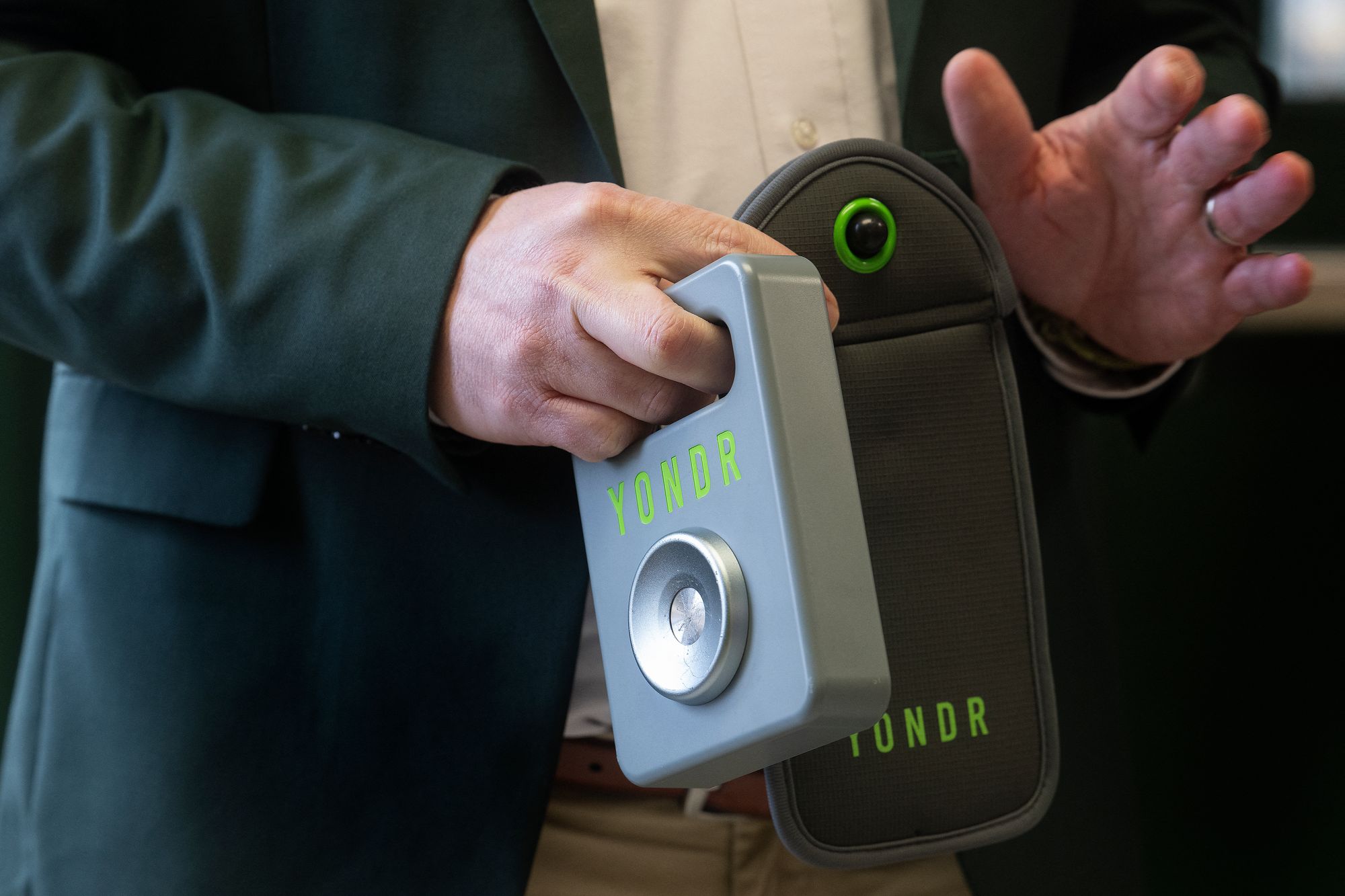
Some schools use lockable pouches or secure storage for pupils’ phones, while others collect them at the start of the day or prohibit their students from taking phones onsite altogether.
While most schools set out that phones should be not seen and not heard, only 16 per cent of secondary pupils say phone rules are followed all of the time, according to a DfE survey carried out in June.
The revised statutory government mobile phone guidance, which is due to come into effect in September next year, is to give greater clarity on what stronger approaches can be taken by schools.
Headteachers’ unions have said additional funding will be needed if schools are required to implement more robust measures – like lockable pouches or secure storage – to keep phones away from pupils.
Ms Powell said: “Children should not be using smartphones at any point during the school day, full stop. That’s why we’re strengthening our guidance to take the next leap towards truly phone-free schools.
“Schools are already leading the way. We’re backing heads and teachers with a clear message for parents and pupils: school is for learning and friendship, not scrolling.”
The DfE is also launching a consultation to explore independent safety certification for “EdTech” to give parents and schools confidence that education technology being used in schools is safe.
Schools previously told The Independent they had brought in lockable pouches, which typically sit at around £20-£25 per pouch, at considerable cost to themselves.
Jo Sharrock, headteacher at Putney High School in southwest London, said the pouches had “liberated” pupils and staff and described them as “worth every second” it took to implement the policy.
More than 150 clinicians warned of a “crisis” in children’s physical and developmental health linked to screen-based learning.
Last week, education minister Paul Waugh said there was a risk of a “wild west” of education technology products in schools across England.
Paul Whiteman, general secretary at school leaders’ union NAHT, said: “Many schools already have restrictions on phones, but going beyond a ‘not seen, not heard’ approach comes at a cost.
“If schools are to implement some of the more robust measures suggested in this guidance, they will need access to additional funding and support.”
Pepe Di’Iasio, general secretary of the Association of School and College Leaders (ASCL), said: “Schools will need time to develop a new policy that works in their setting.
“If all schools are going to be expected to have lockable pouches or other secure storage facilities for every pupil, the cost involved will be very significant indeed.
“This is not feasible unless the government puts in the funding required to meet these costs.”
Dame Rachel de Souza, children’s commissioner for England, said: “I welcome strong action to stop phones distracting pupils and disrupting the school day.
“I know most headteachers already restrict phone use in their schools and I would like to see support for all heads to apply this important policy.”
Liberal Democrat schools spokesperson Caroline Voaden said: “Stronger guidance for schools on mobile phone use is a positive step – there is no place for phones during the school day.
“Liberal Democrats are clear that it should be up to headteachers to decide how they keep phones out of reach of pupils. This can obviously come at a cost, so the government must ensure all schools have the necessary funding, rather than expecting schools to meet the cost when budgets are already stretched to breaking point.
“There must also be safeguards to ensure pupils with SEND needs or caring responsibilities still have access to a phone if they need one.”
KioskNews shows a cleaned-up reading view extracted from the publisher’s page — the original always lives on their site, not ours.