‘Prisoners lie in bed all day, taking drugs and watching TV’: Outgoing prisons chief on shocking state of UK jails
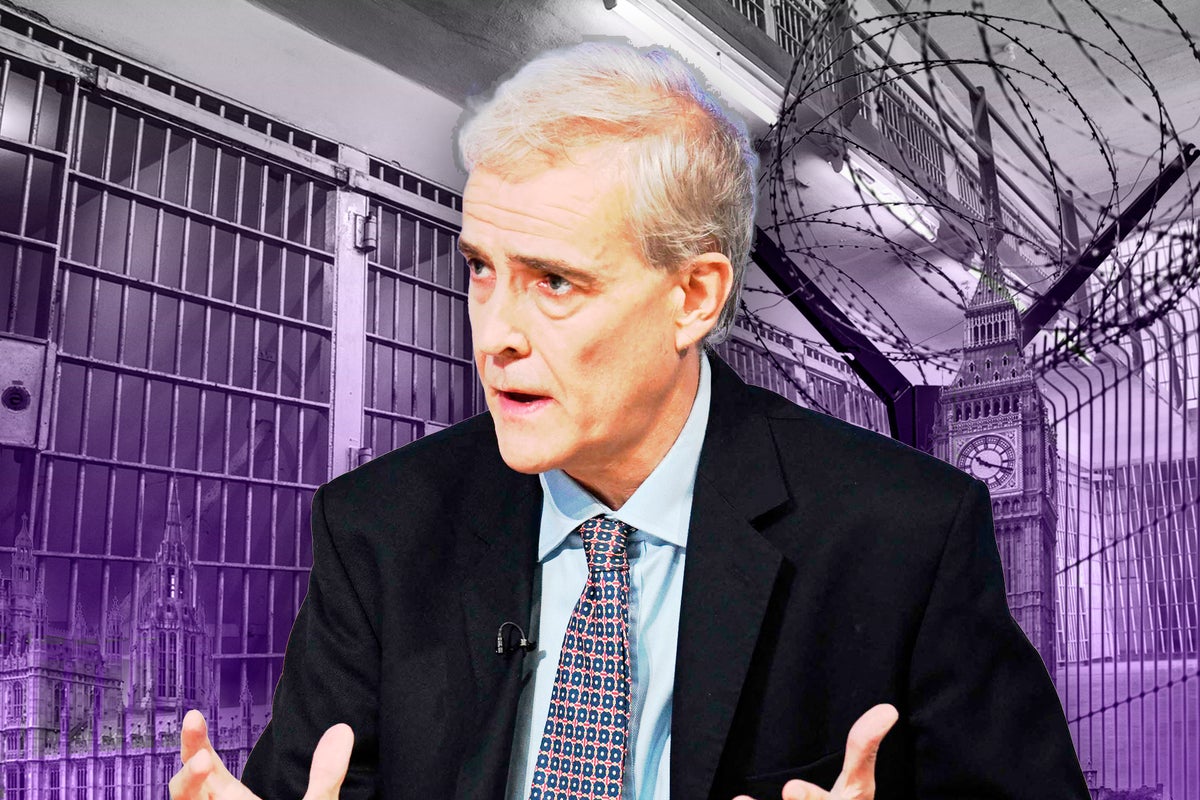
Inmates in Britain’s overcrowded jails are lying in their beds all day, taking drugs and watching daytime television while crime gangs make a fortune from drone deliveries, the prisons chief has warned.
In a damning assessment of Britain’s jails, Charlie Taylor, whose tenure as His Majesty’s Chief Inspector of Prisons is coming to an end after six years, warned too many prisoners are leaving custody “doomed to come back” because they are not being rehabilitated, despite the average cost of housing a criminal soaring to around £60,000 a year.
He also issued a stark warning over organised gang members using drones to deliver up to 10kg of drugs per drop – adding that being locked up is no longer a punishment because they are making a “fortune” out of a captive market of users locked in their cells for 22 hours a day.
“They're bored out of their mind with nothing to do and the drugs kill the time,” Mr Taylor told The Independent.
“The public would rightly assume that people in prison are working hard, coming off drugs, learning how to behave properly, you know, getting into good habits of getting up in the morning, going to work, those sorts of things. But unfortunately, in many prisons, that just doesn't happen.
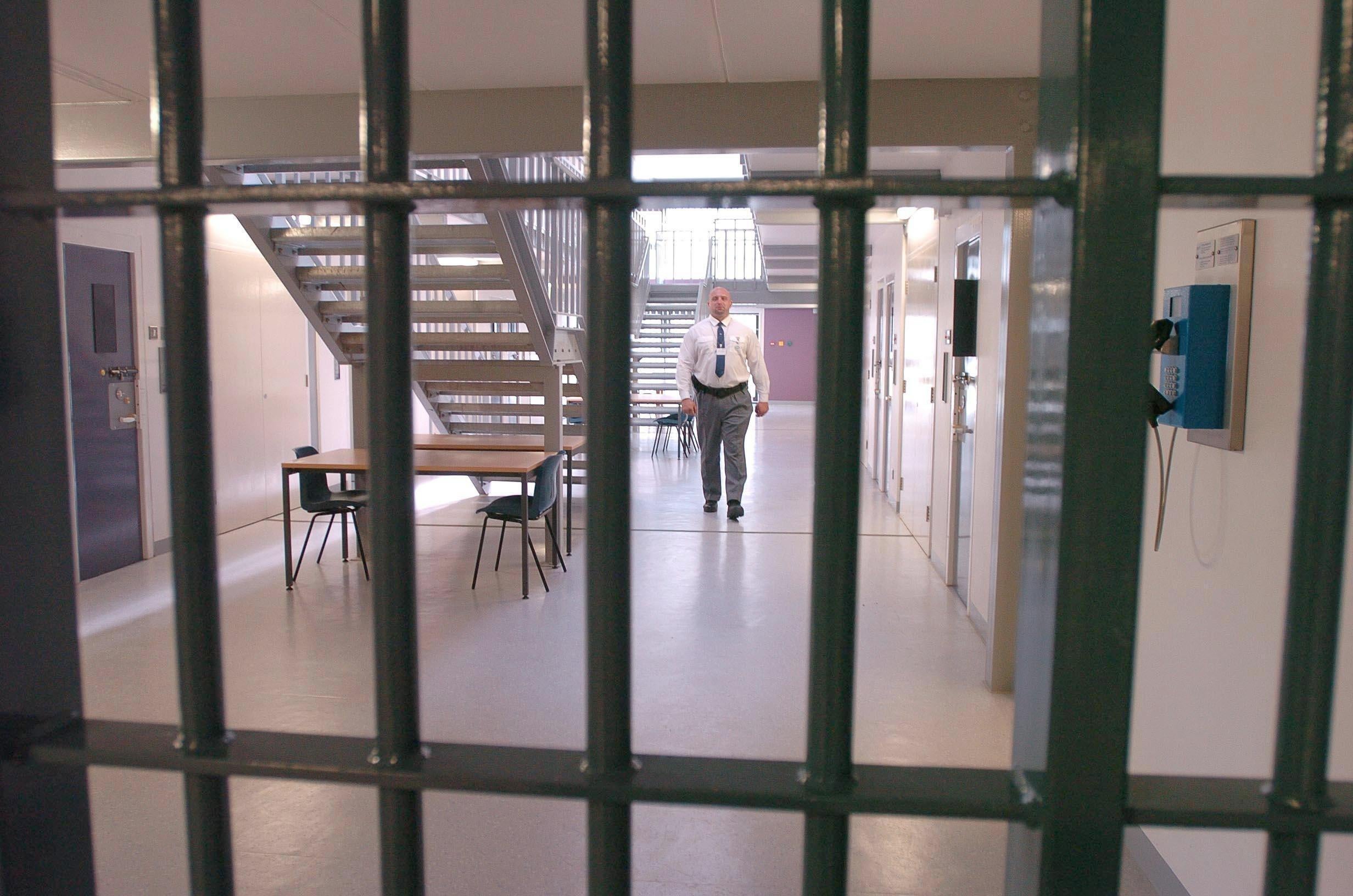
“And actually, what's extraordinary probably is that actually lots of prisoners lie around in their bed all day taking drugs, watching daytime TV.”
In a wide-ranging interview with this publication, Mr Taylor claimed that:
- The “public are not being protected properly” when prisoners are freed because their risk has not been reduced
- It is a “tragedy” that not enough inmates are receiving drug treatment to address the root causes of their offending with up to a quarter admitting they developed a habit in prison because drugs are so rife
- Prisons will overflow again within a couple of years due to a staffing crisis in the system
He also said Andy Burnham had been right to promise to end the “great injustice” of indefinite Imprisonment for Public Protection (IPP) sentences, lauding The Independent for our years-long campaign on the issue.
Mr Taylor’s fears over whether the UK’s overcrowded prisons are really working or delivering value for money for taxpayers comes ahead of a major lecture this week on the state of the sector.
In a recent inspection of HMP Hindley, in the prime minister’s Makerfield constituency in Greater Manchester, more than half of prisoners have tested positive for drugs.
They are being delivered by the bale-load into prisons up and down the country following a “staggering” growth in drone activity, which he says the government has failed to grip despite repeated warnings.
In June, Keir Starmer’s government pledged a £35million funding boost for counter-drone measures such as window grilles at 17 high risk prisons, but Mr Taylor says more needs to be done.
“There hasn't been any sort of joined up approach to trying to deal with the problem with drones, and instead it's just grown bigger and bigger, and the technology has got more and more sophisticated, harder to track, easier to manage and easier to fly from further away,” he said.
He believes there is a “constant risk” drones could spark a major security incident if they are used to convey weapons into high security jails where terrorists and organised crime bosses are serving long sentences. One day, they could even be used to airlift prisoners out of jail.
“These are people who haven't got an awful lot to lose,” he said. “They're going to spend the rest of their life locked up.”

He said it is “depressing” that despite a national conversation around the prison overcrowding crisis and Labour’s early release scheme, there has been “almost no conversation at all about rehabilitation”, drug treatment, housing or employment.
Measures freeing many prisoners after serving just a third of their sentence will “hold back the waves for a little bit, but ultimately they’re going to come crashing in again”, he warned, with prisons at risk of overflowing again within a couple of years.
The government has promised to build 14,000 new prison places to ease overcrowding, but “there's just no evidence that they're going to be able to staff them all”, Mr Taylor said.
“If you can't staff them, then it doesn't matter how many places you've built,” he added, noting many new prisons are earmarked for sites without a big population of prospective workers.
Ministry of Justice figures published last week also show recalls to prison are outstripping releases, with 25,531 offenders returned to prison in the first half of this year compared to 25,255 releases.
However, Mr Taylor applauded Andy Burnham for taking the “courageous decision” to end the “great injustice” of indefinite IPP sentences. He said the remaining IPP prisoners, some of whom have been held for up to 22 times longer than their original tariff, are often so hopeless you can see them coming on the wing.
“Whenever you let someone out of prison, there is always an element of risk for all of them, particularly if they committed serious offences in the past,” he said.
“But if we don't do that, we just have these people left dangling on these appalling sentences, just wasting their lives, wandering around.”
He acknowledged that being seen to be soft on crime is a “cardinal sin for a politician” but called for greater transparency and media access to the sector to improve public understanding.
“I think only by doing that will the public understand that, you know, however much we might dislike criminals, we're frightened of crime, we want people to be punished, however much all those natural emotions are there, that actually we also need to make people less likely to reoffend when they come out, and our prisons often just aren't able to do that,” he said.

“So I think more light and oxygen into prisons is a good thing.”
He admits not all prisoners are capable of being rehabilitated, but insists we “ought to be trying”.
For many struggling with addiction and homelessness, prison becomes a place of respite as they live in a cycle of incarceration, he added, recalling seeing prisoners refusing to take their things with them on release because they know they will be back inside by the end of the week.
“We're not making them any better and we're not helping them in the long term, and we're not really reducing their risk of reoffending,” he said, adding that this missed opportunity could have a huge impact on public protection.
“It strikes me that sometimes we kind of see prisoners as a sort of alien breed of people, but actually, you know, a big proportion of them are are people who, with the right support in the right circumstances, could do better.
“Imagine if we reduce the reoffending rate only by 3 or 4 per cent or something like that. You know, tiny amount, 2 per cent, the effect that would have on the population.”
A Ministry of Justice spokesperson said: “The government inherited a prison system on the brink of collapse, but we’re taking decisive action to make jails safer, crack down on criminal gangs and stop drugs getting behind bars.
“This includes building 14,000 prison places and investing £75 million in prison security, with joint action by police and prison staff already leading to numerous arrests linked to drones smuggling contraband.
“Former home secretary Amber Rudd is also leading an independent review to deliver safer prisons, cut reoffending, and keep the public safe.”
Charlie Taylor’s Longford Lecture is on November 4 at 6.30pm at Church House, Westminster. Tickets from www.longfordtrust.org, or watch the livestream on https://youtube.com/live/qRCWMcqnISI?feature=share
KioskNews shows a cleaned-up reading view extracted from the publisher’s page — the original always lives on their site, not ours.