‘Wars no longer fought with weapons alone’: PM Modi flags cyber security threats
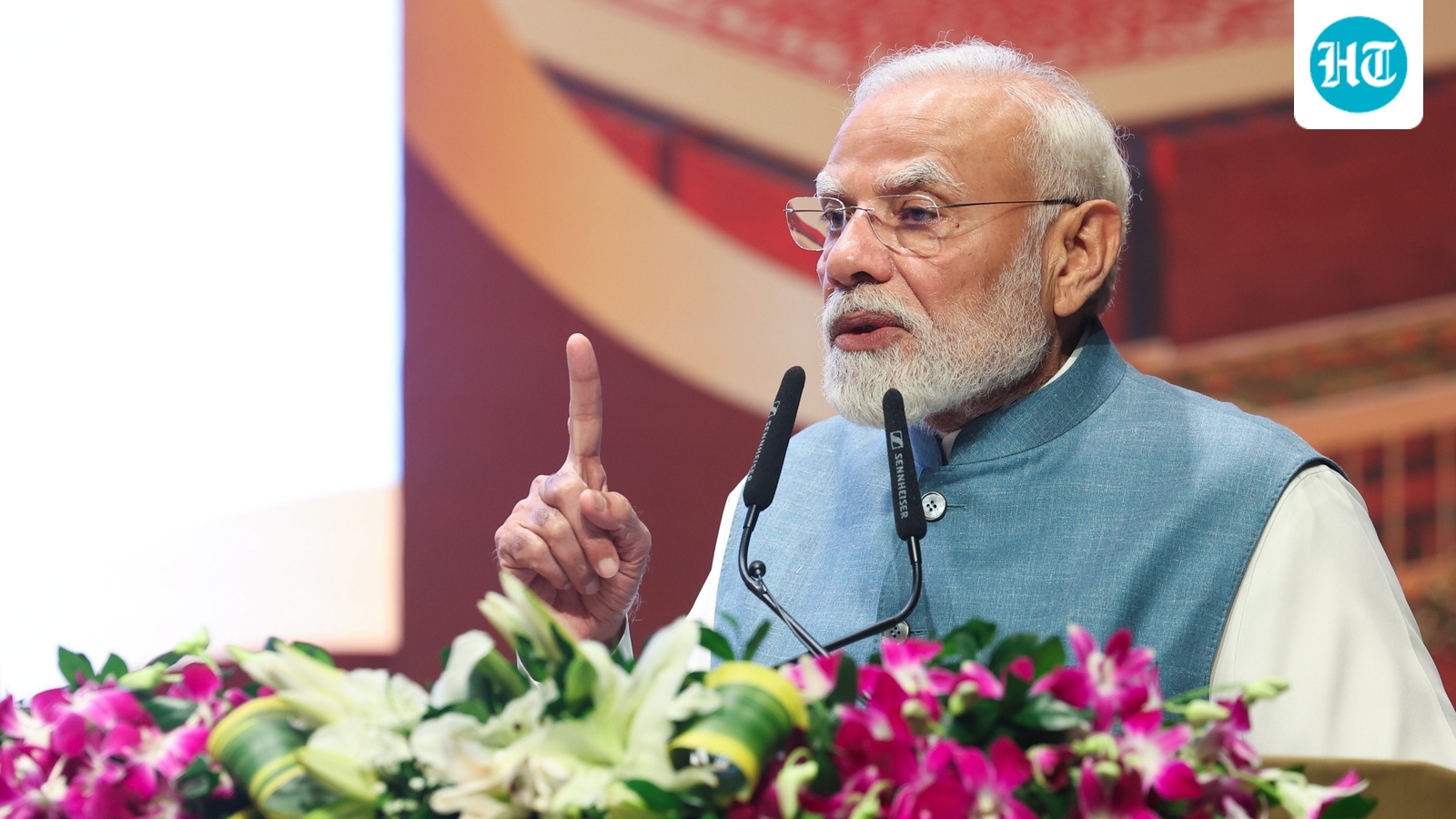
Prime Minister Narendra Modi on Sunday said wars are no longer fought with weapons alone and a country could also be weakened by attacking its economy as he stressed on the need to protect India's banking system from cybercriminals and cyberterrorists.
Inaugurating the Reserve Bank of India's data centre and Cybersecurity Training Institute in Bhubaneswar, Modi said the changing nature of cyber threats required modern infrastructure, stronger computing systems and a skilled workforce.
Also read: Kharge’s ‘baap’ remark targeting PM Modi draws BJP backlash, Amit Shah hits out at Congress
"As India grows stronger economically, protecting our banking system from cybercriminals and cyberterrorists becomes equally essential," he said, adding that the country could not tackle emerging challenges with outdated systems, training methods and tools.
The two facilities would play an important role in strengthening the security and resilience of India's banking infrastructure, he said.
Modi said the inauguration of RBI's data centre and Cybersecurity Training Institute also reflected a shift in India's governance approach ensuring that its benefits reached the last person.
He said that although major cities had developed large hospitals, airports and other institutions after Independence, smaller towns and remote areas had continued to struggle for basic facilities and connectivity. "The government had sought to change this approach through pro-people, proactive good governance model by expanding expressways, medical colleges, healthcare facilities and digital connectivity to smaller towns and villages. More than half of India's population remained outside the banking ecosystem until 2014, despite the nationalisation of banks in the 1960s and 1970s in the name of helping the poor," he said.
Also read: India, EU race to finalise FTA before December deadline to coincide with PM Modi's Brussels visit
Accusing the Congress regime of "phone banking", he alleged that thousands of crores of rupees in bank loans were extended over the telephone to a select group of people close to certain Congress leaders and those who had access to them.
Modi said the during BJP government at Centre, digital banking expanded access to financial services across the country.
"Nearly 59-60 crore Jan Dhan accounts had helped ensure that government assistance reached beneficiaries directly. It was from the soil of Odisha that a former prime minister of the country once said that when ₹1 was sent from Delhi, only 15 paise reached the people. Today, things are different. Now, when ₹1 leaves Delhi, the entire ₹1 reaches the bank account of the intended beneficiary," he said.
The PM said while the past decade had focused on bringing people excluded from banking into the formal financial system, the coming decade would be devoted to making banking more efficient and reliable.
Projecting eastern India as a major growth engine for a developed India, he said Odisha's economy was drawing strength from technology alongside its traditional mineral resources.
"Odisha is poised to write a new chapter in its future, moving from mines to microchips," Modi said, adding that investments in data centres and advanced computing would create new opportunities for the state's youth.
KioskNews shows a cleaned-up reading view extracted from the publisher’s page — the original always lives on their site, not ours.