3 Lost Foetuses, 2 Escapes: The Troubled Journey Of 'Dooars Rani'
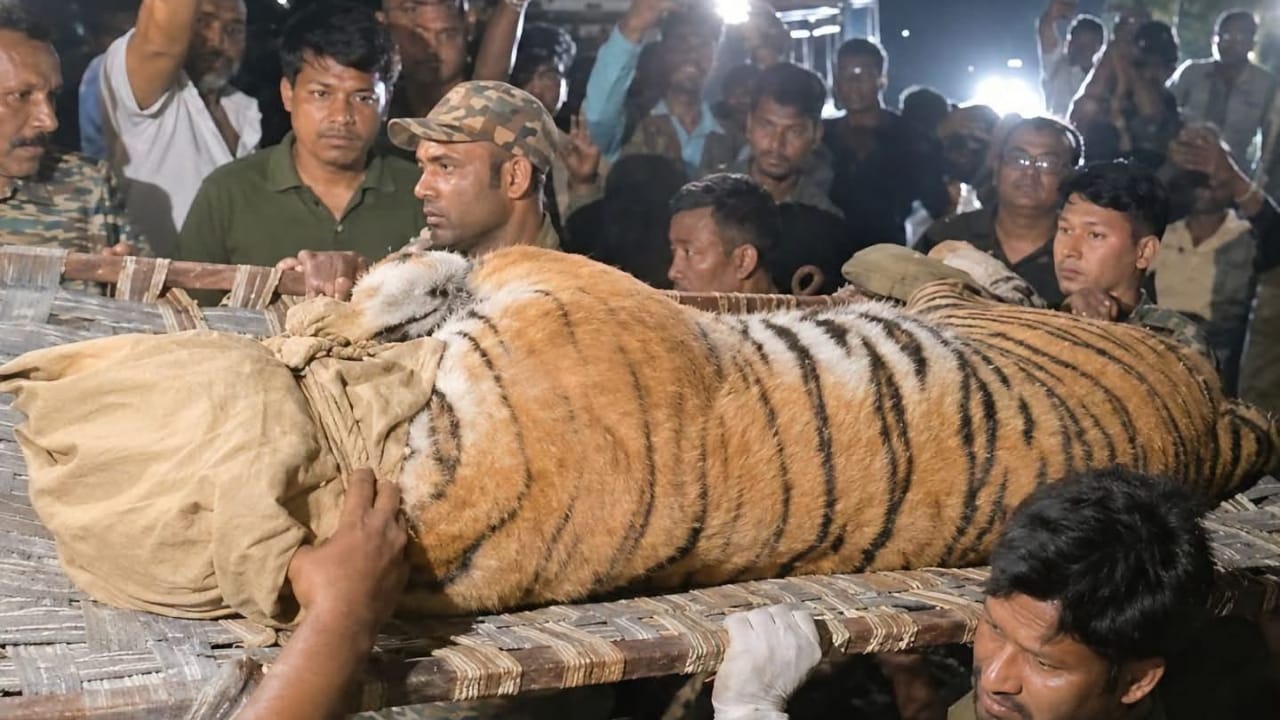
The loss of three foetuses by a translocated tigress has raised troubling questions about the planning, preparation and execution of West Bengal's ambitious tiger reintroduction programme at Buxa Tiger Reserve.
She was brought to West Bengal with the hope of helping revive its tiger population. But Dooars Rani, the three-year-old Royal Bengal tigress relocated from Bihar's Valmiki Tiger Reserve to Buxa, has had anything but a smooth start in her new home.
Dubbed the runaway Rani after escaping first into neighbouring Assam and then from her enclosure following her return, the tigress has now suffered a tragic setback.
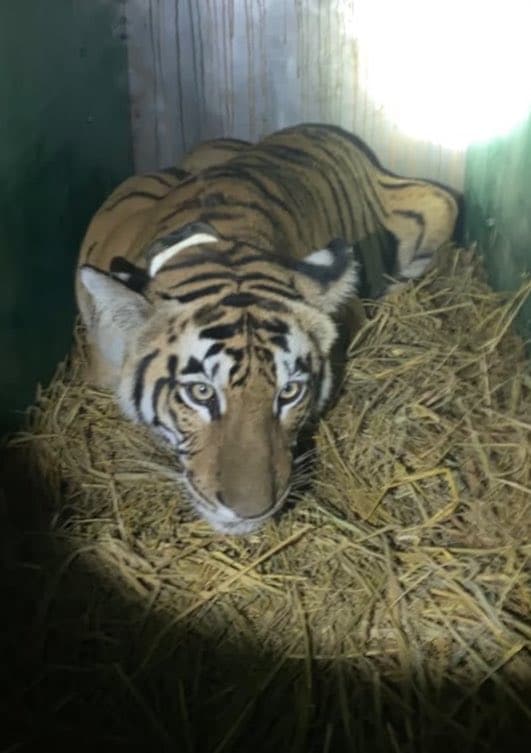
According to sources who spoke to NDTV, on the night of November 7, T-138, the tigress aborted three foetuses, estimated to be around two months old.
The incident has raised serious questions about the planning and monitoring of one of West Bengal's most ambitious tiger reintroduction efforts.
T-138 was captured and sedated in Valmiki Tiger Reserve before being transported to Buxa between September 29 and October 2. Her pregnancy, however, reportedly went undetected during the pre-translocation medical examinations, despite a team of six veterinarians and experts being involved in her health screening. One of the team who spoke to NDTV was surprised that the tigress was pregnant, saying when she was selected in the wild, it was undetectable.
The journey itself was far from smooth. The tigress reportedly underwent two sedations during the initial 17-hour transit.
Then came another setback. After being released into Buxa, she travelled more than 100 kilometres, crossing into Assam's Raimona National Park, before being tracked down, captured and brought back to West Bengal.
Days later came the loss of her foetuses.
Sources familiar with the developments have confirmed the abortion and said the foetuses have been preserved for examination. The West Bengal government, however, has so far declined to issue an official statement on the incident.
Both a central inquiry team and a state-level panel are now examining the circumstances surrounding the translocation and the subsequent developments.
A key question is whether the stress of capture, repeated sedation, transportation and recapture may have contributed to the pregnancy loss. While no causal link has yet been established, the sequence of events has prompted concerns about the safeguards followed during the operation.
Questions are also being raised about whether the project was rushed to meet a deadline.
According to sources, preparations for the translocation had been moving at a languid pace for some time before suddenly gathering momentum, with the apparent objective of bringing the tigress to Buxa by October 2.
This has raised questions about whether adequate arrangements were in place before the animal arrived.
There has also been criticism over the enclosure in which the tigress was housed after being brought back from Assam. Reports suggest that an enclosure originally meant for deer was used to accommodate her, rather than a specially constructed tiger acclimatisation facility.
Forest department sources, however, say that funds for building a new enclosure had not been released, leaving officials to work with the infrastructure available.
The suitability of that enclosure has come under further scrutiny following unconfirmed reports that the tigress managed to escape by digging beneath its boundary after being brought back from Assam. What is clear is she did escape the enclosure.
These developments point to a larger concern: Was the ambition to bring tigers back to Buxa matched by adequate preparation, funding and scientific planning?
Tiger reintroduction is, after all, about far more than transporting an animal from one forest to another. It requires careful assessment of habitat suitability, prey availability, veterinary protocols, acclimatisation facilities and long-term monitoring to ensure that the animal not only survives but eventually settles and thrives in its new home.
India has seen notable successes in tiger reintroduction over the past two decades, particularly at Sariska Tiger Reserve in Rajasthan and Panna Tiger Reserve in Madhya Pradesh, where tiger populations were rebuilt after local extinction due to poaching.
Such programmes have become an important conservation tool, particularly as habitat fragmentation and the disappearance of traditional wildlife corridors make natural dispersal between forests increasingly difficult.
For Buxa, which has recorded visiting tigers but has struggled to establish a resident breeding population, the arrival of Dooars Rani was meant to mark the beginning of a new chapter.
Instead, the project now faces difficult questions about what went wrong and whether lessons will be learnt.
For the moment, the tigress remains within the Buxa landscape, with around 60 forest personnel and three trained elephants deployed to track her movements using signals from her radio collar.
KioskNews shows a cleaned-up reading view extracted from the publisher’s page — the original always lives on their site, not ours.