As Apec looms, China’s Shenzhen wraps up preparations for its toughest stress test ever
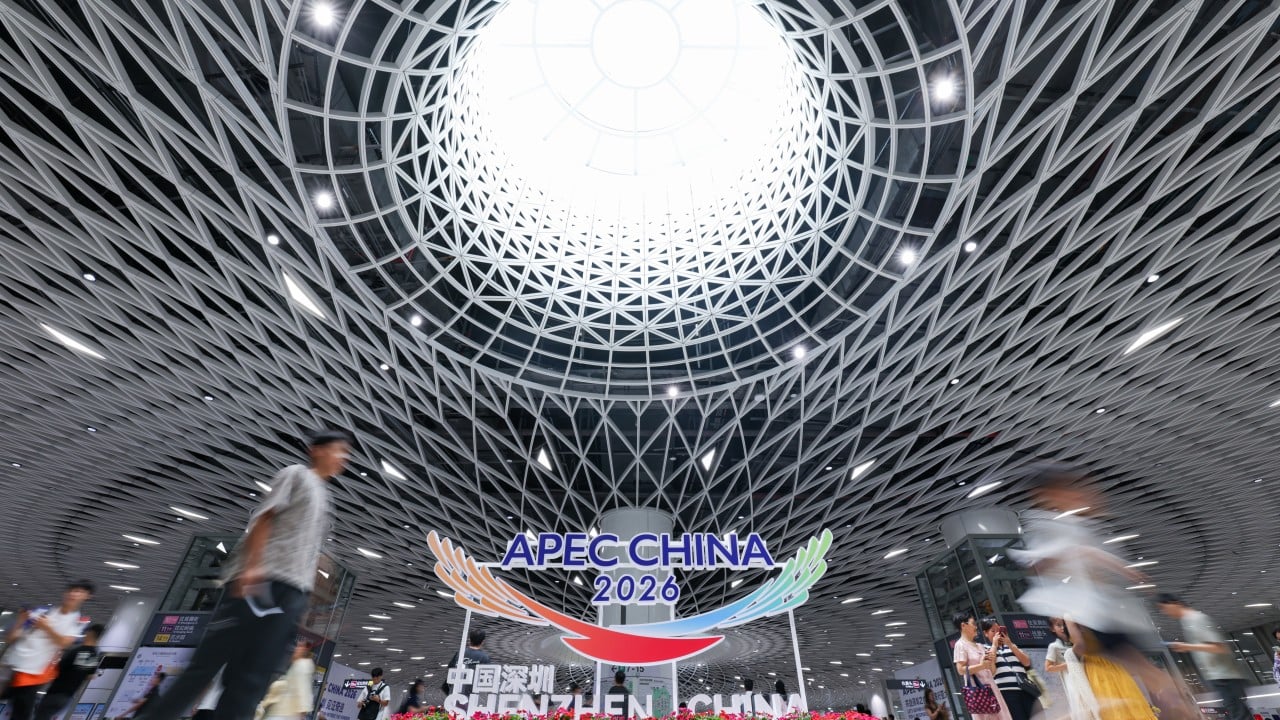
Drones are banned, security cameras bristle at intersections and some residents have been asked to vacate their homes as the southern Chinese city of Shenzhen counts down to the Apec meetings.
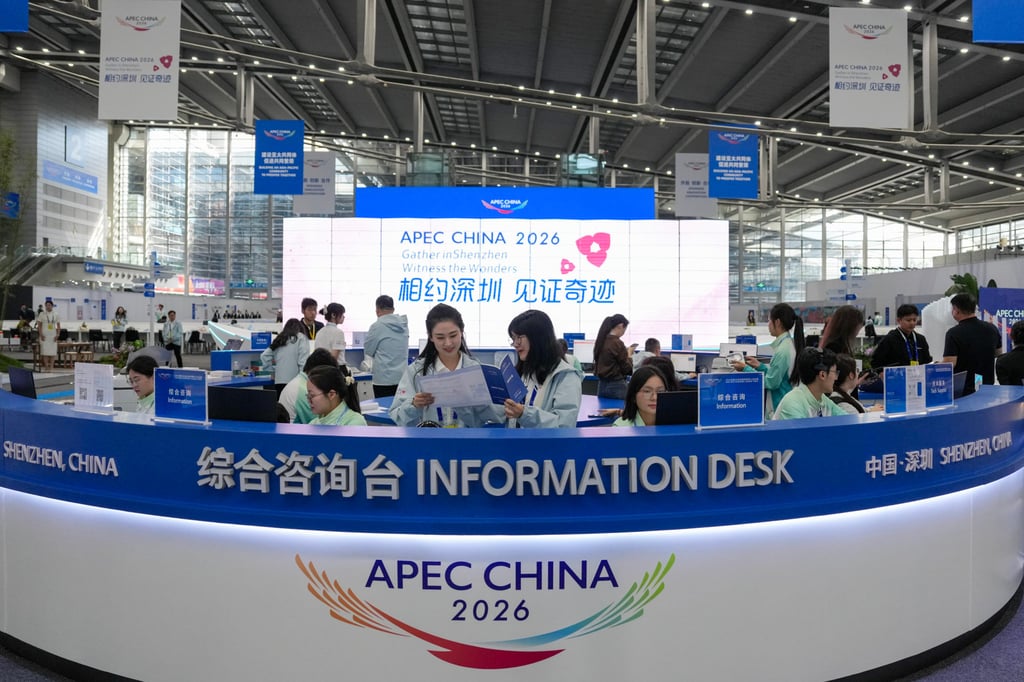
Thousands of government officials, journalists, tourists and entrepreneurs are expected to descend on the city next week for the Asia-Pacific Economic Cooperation forum, where President Xi Jinping will hold talks with Donald Trump and Vladimir Putin as he chairs the 33rd Apec Economic Leaders’ Meeting from November 18 to 19.
On Saturday, organisers confirmed that all venue facilities had been fully prepared.
Comprehensive, full-process rehearsals had been conducted to iron out logistical bottlenecks and ensure smooth operations, Shenzhen mayor Li Yun told reporters.
He added that the venues and conference workflows had already undergone stress-testing through major preceding events including an Apec summit for forests ministers in July, according to the Shenzhen Special Zone Daily.
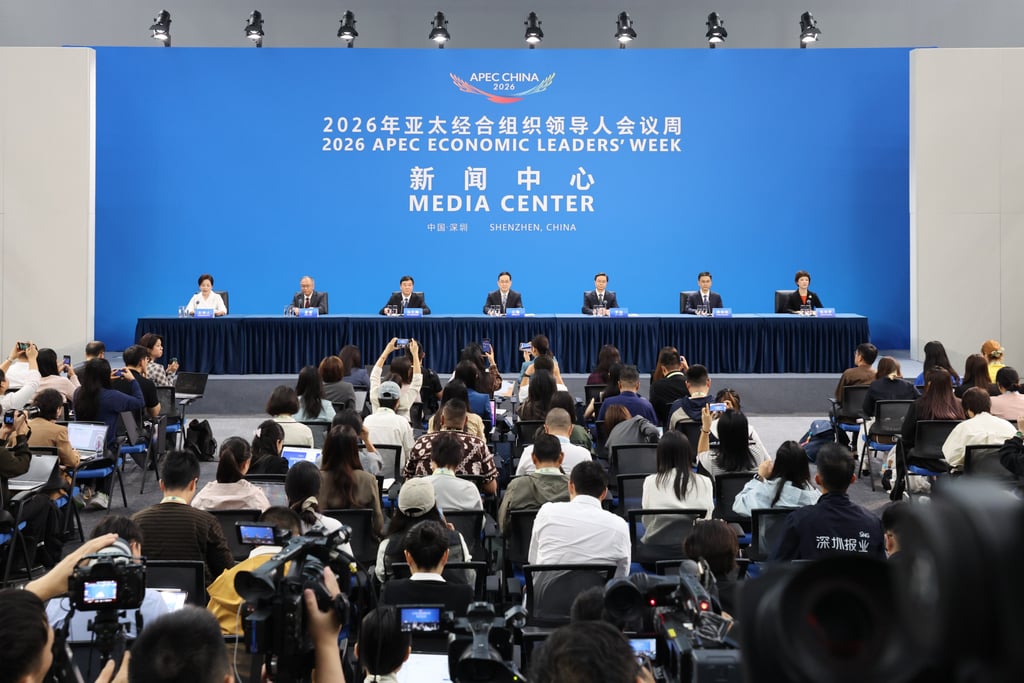
The Chinese tech hub has spent two years preparing for this moment.
It has changed its local leadership, built new venues, upgraded security and given the city a facelift ahead of what amounts to an unprecedented stress test.
In March, Jin Lei, an official in the southwestern province of Sichuan, was appointed the city’s Communist Party chief. In August, just 100 days before the mega-event, banking veteran Li was appointed deputy party secretary and acting mayor, before formally becoming mayor in September.
The first task for both was to immediately inspect Apec-related preparations, with Jin vowing to “resolutely fulfil this major political mission and fully serve the overall national diplomatic strategy”.
Shenzhen hopes to use the event as its global coming-out party, sealing international deals while tackling long-running local issues such as chaotic e-bike traffic and public smoking.
On Friday, the foreign ministry said China looked forward to “building further consensus and agreeing on the Apec Shenzhen Leaders’ Declaration among all member economies”, as well as pragmatic deals in key areas such as trade, connectivity, the digital economy and artificial intelligence (AI).
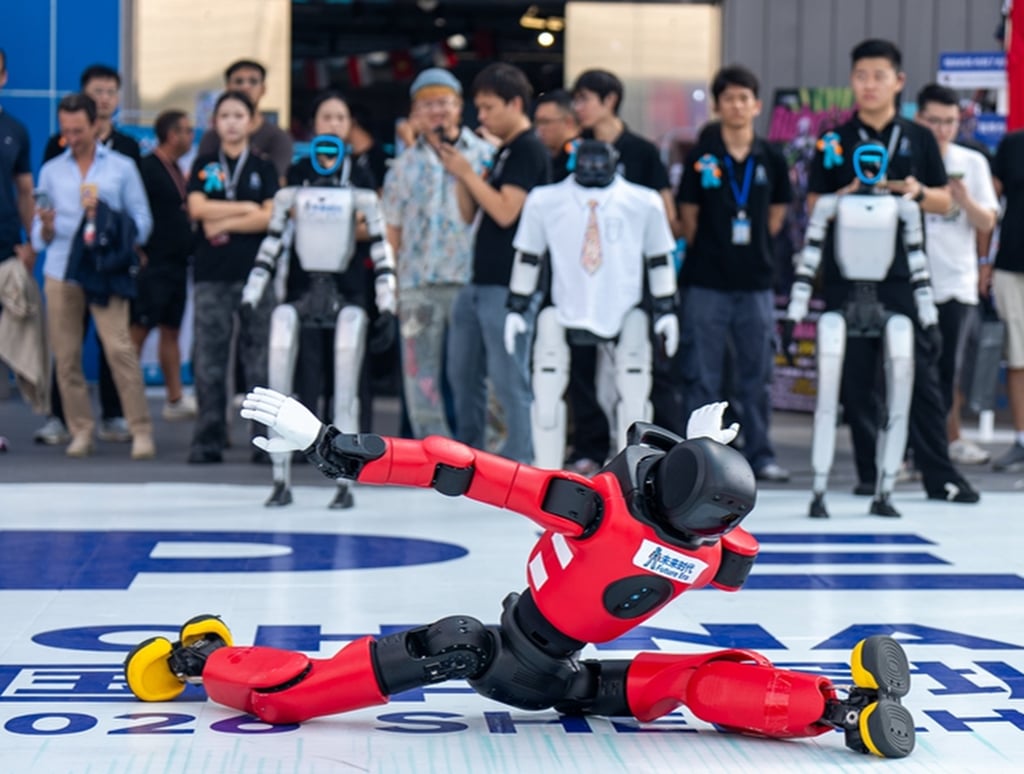
Over the past few months, the city government has focused on showing off Shenzhen’s tech prowess. According to state broadcaster CCTV, this includes a dedicated street in Longgang district lined with AI-themed shops and staffed by robotic dancers, shop assistants and street cleaners.
At the same press conference on Saturday, Wang Xi, the chief of the Guangdong provincial United Front Work Department, the party’s strategy and outreach arm, said that digital technologies such as smart navigation, AI translation, digital customs clearance and intelligent scheduling had been integrated for more efficient logistics and reception services.
Security is also a top priority, given the scale of the event and the presence of world leaders.
All hot air balloons, flying toys, gliders, kites, and drones will be banned across the city from November 11 to 21, local authorities announced earlier this week.
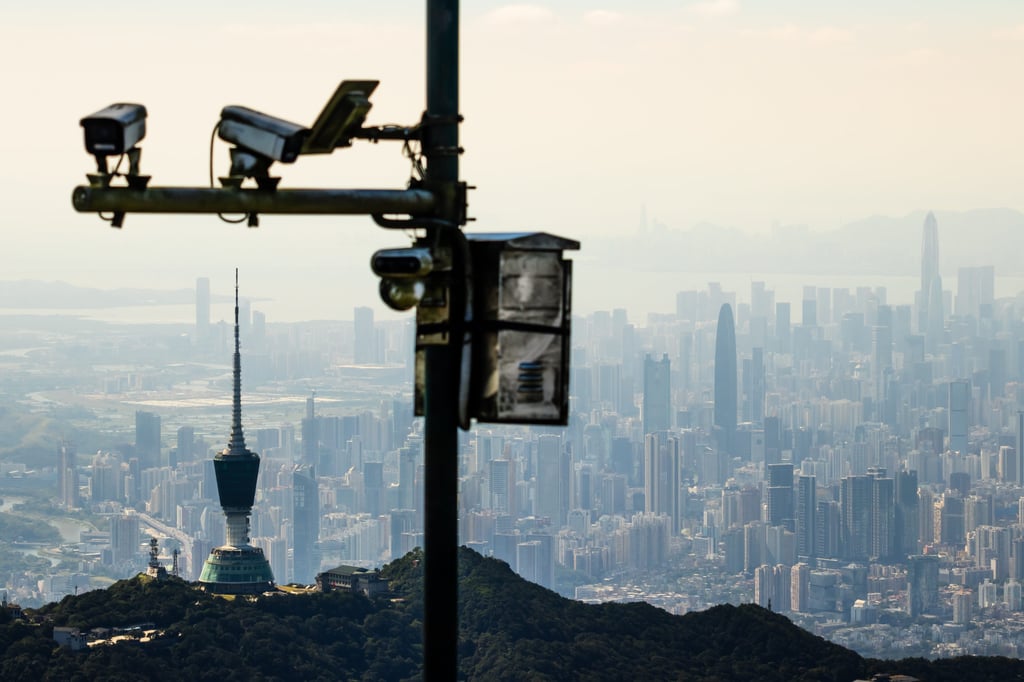
On the ground, temporary traffic controls will take effect across downtown districts next week. Surveillance cameras have also been set up at intersections near Apec venues in Futian district’s Xiangmihu area, while traffic police maintain round-the-clock patrols.
Shenzhen Metro has announced a 50 per cent discount on subway fares for five days starting Monday, to encourage public transport use during Apec week.
Meanwhile, in response to the impending road restrictions, food delivery giant Meituan announced that riders citywide would be exempted from penalties for late deliveries. Rider penalties would also be waived for order cancellations caused by traffic disruptions or special circumstances in key central districts – including Luohu, Futian and Nanshan.
A resident living next to the Apec venues told the South China Morning Post that authorities had ordered all windows facing the sites to be sealed and covered during the event. His household was also offered a 10,000 yuan (US$1,500) hotel subsidy to vacate their home from November 16 to 19.
Those who choose to stay put would have a police officer or security guard stationed inside their home for the duration, the resident added.
Several major tech firms – including camera maker Insta360, Lenovo and Tencent Holdings – have already complied with the government’s call to grant employees leave or allow remote work during the event.
Observers note that while the city has never hosted a summit of this calibre, it has ample experience managing traffic, implementing flexible work arrangements and executing emergency plans, having temporarily shut down twice in recent years, first during a 2022 coronavirus outbreak and again for a super typhoon last year.
Zhang Jingjia, an economist at the Apec Study Centre at Nankai University, said in an interview that when a city hosted a high-level meeting, it usually needed to consider security, emergency plans and the city’s appearance. On those fronts, she believes Shenzhen is well-equipped, with one key caveat.
“Shenzhen is able to handle all these things. The only thing it lacks is the experience of receiving many high-level leaders at the same time,” she said.
KioskNews shows a cleaned-up reading view extracted from the publisher’s page — the original always lives on their site, not ours.