Oracle founder broke elbow in 1992; years later he gave $5m for bone disorders
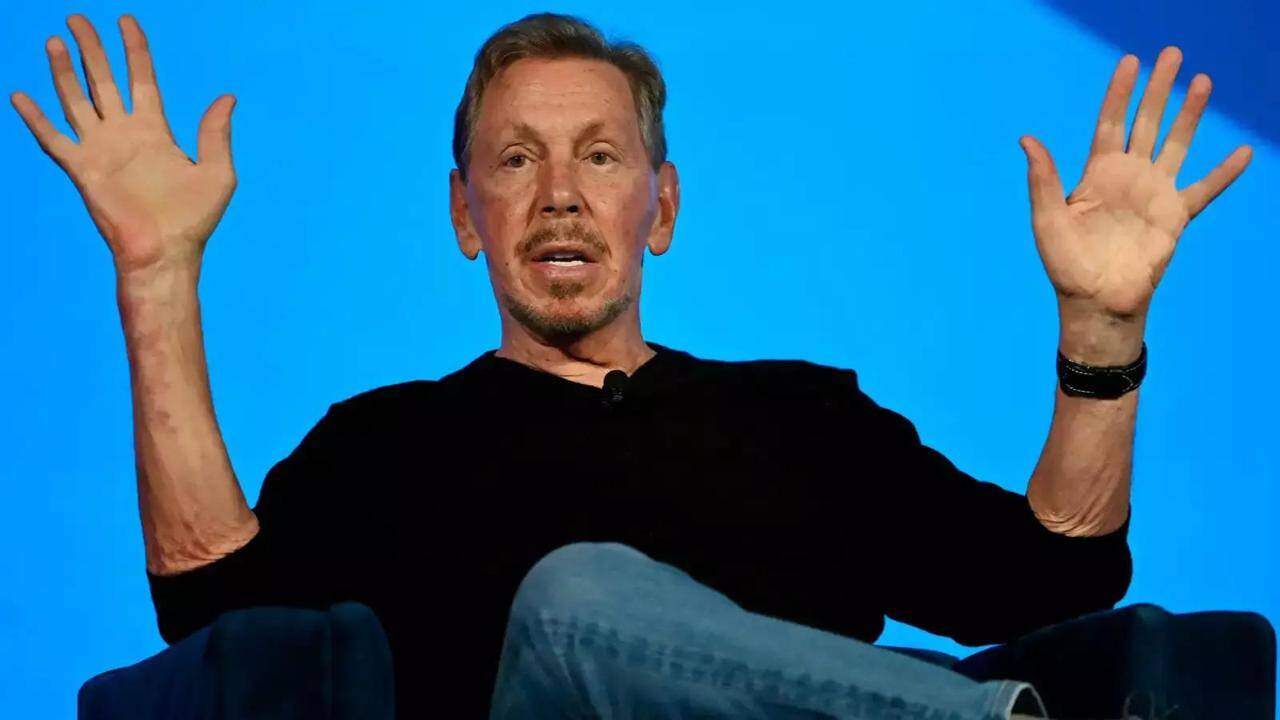
Oracle founder Larry Ellison
A serious bicycle accident suffered by Oracle CEO Larry Ellison in the early 1990s ultimately resulted in a $5 million donation that helped expand research into bone and muscle disorders at UC Davis, according to the university.
The Oracle co-founder's gift helped build a musculoskeletal research and care program at UC Davis that is still part of the university's orthopaedic identity. Ellison, the co-founder and longtime chief executive of Oracle, shattered his elbow in a bicycle crash in 1992. The injury was treated by Michael Chapman, an orthopaedic surgeon at UC Davis, who successfully reconstructed the damaged joint. Following the surgery, Ellison donated $5 million to support musculoskeletal research and patient care at the university.The gift helped establish what became the Lawrence J. Ellison Musculoskeletal Research Center, where physicians, surgeons and scientists work on research aimed at preventing and treating musculoskeletal disorders. According to UC Davis, the centre focuses on conditions affecting bones, muscles and joints, bringing together experts from multiple disciplines.
Record-setting donation made by Larry Ellison
UC Davis announced the pledge in September 1995, when it reported record private giving of $41.5 million for fiscal year 1994-95.
That was a 39 percent increase over the $29.8 million raised the year before. Ellison, then CEO of Oracle, made the largest single gift of the year. The $5 million pledge was meant to create three endowed chairs and a musculoskeletal institute in the School of Medicine."Mr. Ellison's generosity in particular will help sustain our nationally recognized expertise and care for patients with bone or muscle diseases," said Gerald S.
Lazarus, then dean of the School of Medicine. The School of Medicine received $12.7 million in private support that year, an 88 percent increase. The university said this was the largest amount ever given to an academic unit on the campus.
What the money built
The Ellison center brings together physicians, surgeons and basic scientists. They study the prevention and treatment of what UC Davis calls "crippling and painful musculoskeletal disorders."A 2011 UC Davis Health profile described the center as part of a broader orthopaedic and sports medicine program. Its specialists have served as team doctors for the NBA's Sacramento Kings for more than two decades. The same program provides care for Olympic-level athletes, the national soccer program and UC Davis teams. US News & World Report ranked UC Davis among the nation's best hospitals for orthopaedics.Paul Di Cesare, then chair of orthopaedic surgery, said the program uses the same advanced techniques for professionals and ordinary patients. "We use those same modalities and treatments for the average athlete and the weekend warrior," he said.
KioskNews shows a cleaned-up reading view extracted from the publisher’s page — the original always lives on their site, not ours.