In defence of Gilmore Girls: A Year in the Life – Rory's millennial meltdown wasn't pretty, but it was relatable
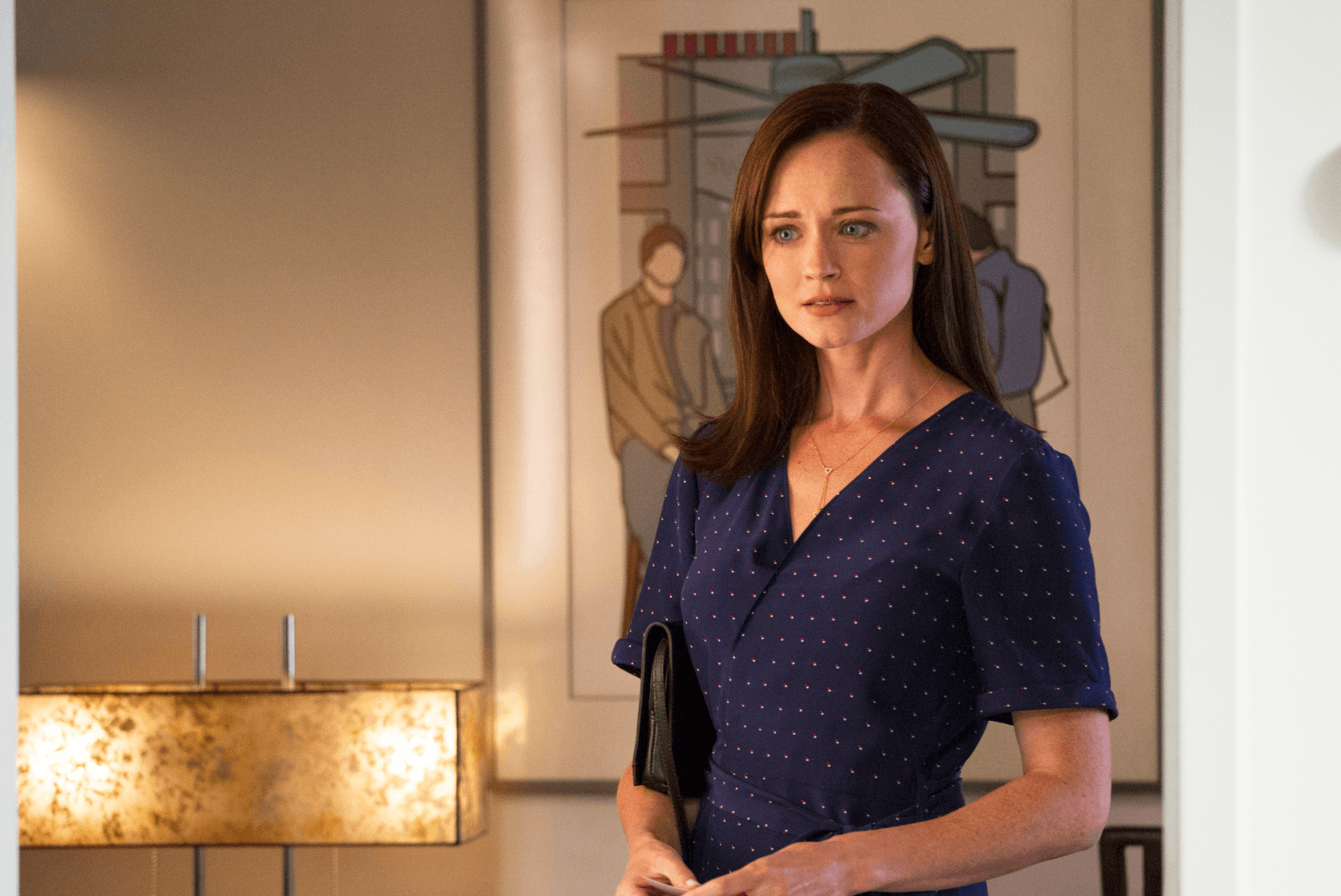
Ten years after Gilmore Girls: A Year in the Life transported fans back to Stars Hollow, Netflix's often-maligned revival of the beloved '00s series is due a reappraisal.
Across four feature-length episodes, each set in a different season, A Year in the Life retained the iconic fast-paced mother-daughter banter between Lorelai (Lauren Graham) and Rory (Alexis Bledel) while also bringing back some of its less flattering elements. Alongside casual fatphobia and jabs at the LGBTQ+ community, the revival gave 32-year-old Rory a flailing storyline that, in hindsight, was ahead of its time.
Written off by some who wished that Gilmore Girls would've been left alone after the original finale, the 2016 series offered an uncomfortable look into Rory's adult life that many could also begrudgingly relate to. For all her early promise, the perfect daughter, prized granddaughter and Ivy League-bound student grew into a young woman who fell short in almost every aspect of her life.
A victim of Millennial Overachiever Syndrome, Rory grew up being constantly reminded she was special, both by her biological and Stars Hollow families. But it was when she entered the hallowed halls of Yale that she first realised she was but a drop in an ocean of countless other gifted young people, as her first attempts to build a journalism career finally shattered her sense of self.
But branding Rory a "terrible character" based on how she handled those realisations – or rather, didn't – and her own poor decision-making, such as dropping out of university – fails to acknowledge the complexities of growing up, and during a particularly turbulent economic period.

For many viewers, though, the revival seemed to confirm their belief that Rory was a failed character, helped in large part by her decision to sleep with a soon-to-be married Logan, her inability to "make it" as a journalist, and moving back to Stars Hollow, where she found out she was pregnant.
It's there, in the midst of all that chaos, that she takes up the old-age advice to "write what you know" and begins pouring her life growing up with Lorelai into a non-fiction book.
But it's Rory's reassessing of her journey up to that point that is one of the most compelling aspects of A Year in the Life, interrogating generational aimlessness with sharp humour and candour.
The show makes light of the millennial meltdown with the Thirtysomething Gang, a caricatured support group for post-graduate overachievers who find themselves moving back into their childhood bedrooms.
The progression of A Year in the Life lets Rory, who firmly rejects the idea she might be part of the Gang, realise she isn’t better than everyone else; she is, in fact, just like everyone else – overqualified, underemployed and completely lost. Suddenly, she's forced to confront her entitlement and the assurances of success that had been fed to her on the grounds of being an excellent student and model daughter by those around her and wider societal factors.
Want to see this content?
This page contains content provided by Google reCAPTCHA. We ask for your permission before anything is loaded, as Google reCAPTCHA may use cookies and other technologies. To view this content, choose 'Accept and continue' to allow Google reCAPTCHA and its required purposes.
Seeing Rory accept that those promises couldn't be kept in the 2010s economy felt more devastating than any of her break-ups. The socio-economic betrayal was the ultimate intergenerational breach of trust for millennials set up to fail by previous generations, with A Year in the Life accurately capturing that disillusionment.
The upcoming Girls revival, which is expected to start production next year, is likely to explore similar themes. Lena Dunham's 20-something drama, which featured a host of terrible characters we could collectively project onto, will revisit the characters as they're pushing 40.
The two universes briefly collide in A Year in the Life, when both Rory and Paris (Liza Weil) reference Dunham. But while different on the surface, both shows hinge on protagonists with a "voice-of-a-generation" complex and a tendency to self-sabotage. They even ended with similar final curveballs that defied viewers' expectations.
Like A Year in the Life a decade ago, the Girls reboot may take us to uncomfortable places. But, as Rory’s arc showed, there’s beauty in seeing our own struggles reflected on screen.
Add Radio Times as a Preferred Source on Google Keep up to date on what’s worth watching with your favourite entertainment news from Radio Times – see more of our exclusive news and interviews featured prominently in Top Stories when using Google.

Check out more of our Drama coverage or visit our TV Guide and Streaming Guide to find out what's on. For more TV recommendations and reviews listen to The Radio Times Podcast.
KioskNews shows a cleaned-up reading view extracted from the publisher’s page — the original always lives on their site, not ours.