Israeli AI English-learning startup Loora raises $22m. in Series B
Israeli AI language-learning company Loora has raised $22 million in a Series B funding round, bringing its total funding to more than $43 million, the company announced Tuesday.
The round was led by Union Tech Ventures, with participation from vgames and existing investors Emerge, Hearst Ventures and QP Ventures.
Loora, which uses artificial intelligence to provide personalized English-speaking practice, said it would use the funding to expand research and development and accelerate growth in the US, Europe, Asia, and Latin America.
The company also plans to roughly double its workforce over the next six months, primarily by hiring for AI research and development and learning-science positions.
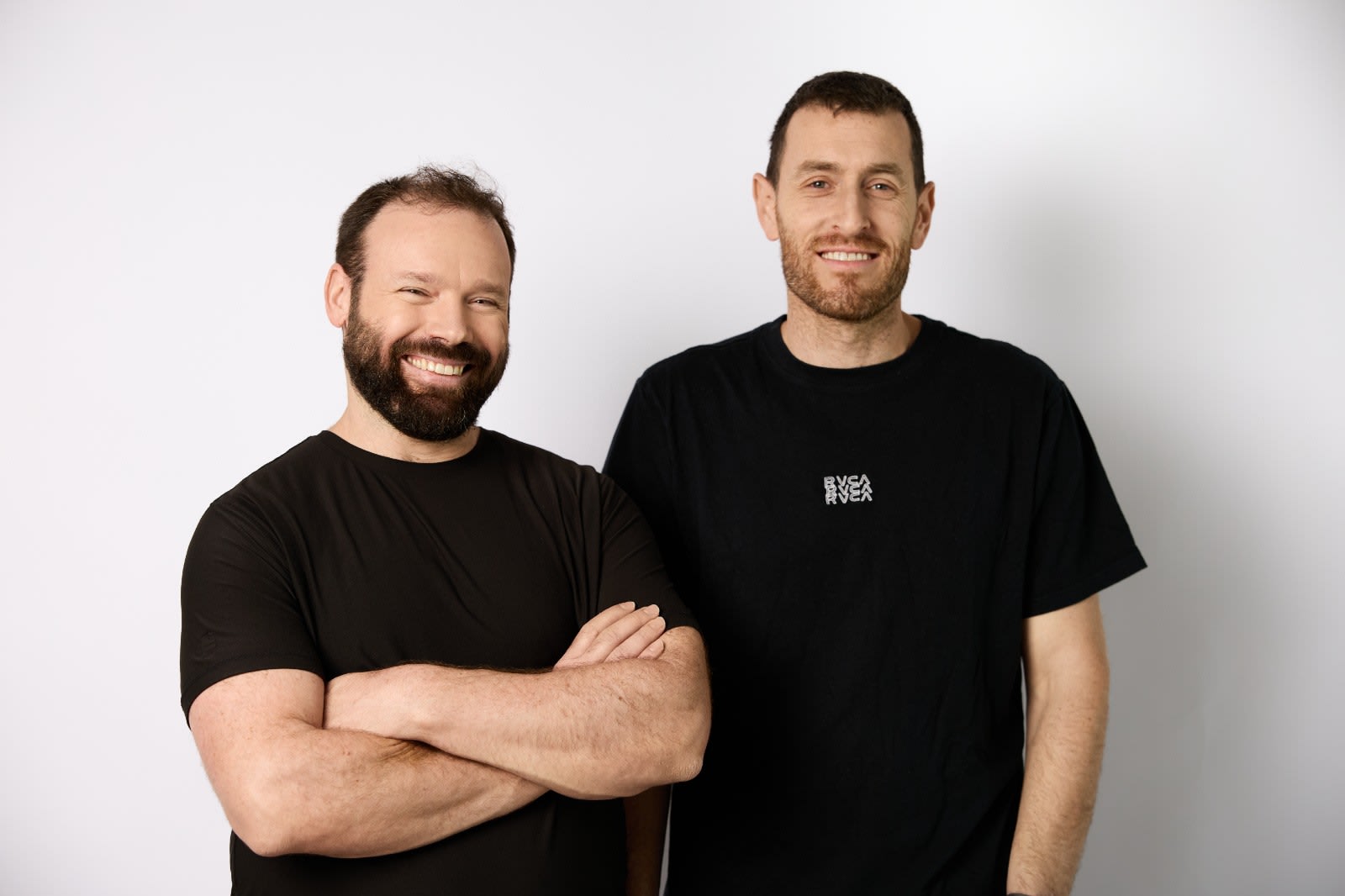
Founded in 2020 by CEO Roy Mor and CTO Yonti Levin, Loora has more than 15 million users worldwide, according to the company.

Mor and Levin met during their military service and served together in Sayeret Matkal, the IDF’s elite special operations unit.
The company previously raised $9.25 million during its seed round and $12 million in Series A funding in 2024. The latest investment brings its total disclosed financing to approximately $43.25 million.
AI as an English tutor
Loora’s app lets users practice spoken English through conversations with an AI tutor and receive feedback on grammar, pronunciation, and fluency. The system adapts conversations to a user’s proficiency level and interests.
The app is aimed primarily at adults seeking to improve their spoken English, including for job interviews, professional presentations, and workplace conversations.
Loora said users have held more than 200 million conversations with its AI system. It said revenue has more than doubled during the past 12 months, with annual recurring revenue now in the tens of millions of dollars.
Those financial figures were provided by the privately held company and are not independently disclosed.
Loora also said it had built a business-to-business operation over the past year and now works with more than 100 companies, governments and universities.
According to Loora, 72% of its users say career advancement is a primary reason for learning English, while its typical user is between 25 and 55 years old.
Loora targets limits of traditional language apps
The company is betting that conversational AI can address one of the central limitations of conventional language-learning software: giving users frequent opportunities to speak rather than primarily completing vocabulary and grammar exercises.
Loora says its system uses information from previous conversations to adjust lessons and identify areas where an individual learner needs more practice.
The company says its database now includes more than 200 million learner interactions, which it uses to analyze engagement and refine the way the AI tutor responds.
Some users appear to be treating the AI less like a conventional language course and more like a conversation partner.
One German user spent roughly 40% of his conversations discussing politics, according to data released by Loora. An Indian user discussed 38 subjects over 49 conversations, ranging from water sports to philosophy.
Another user logged practice sessions on 1,377 consecutive days.
English proficiency as a path to economic opportunity
Mor said the company sees English proficiency primarily as an economic and professional issue.
“People who already know English tend to underestimate the scale of the opportunities it creates,” he said. “For most of the world, English is the most significant gateway to advancement, a better job, a place at university or an entirely different future.”
Loora says its service costs about $10 a month in some markets, compared with substantially higher rates for one-on-one instruction.
Roxanne Horesh, a partner at Union Tech Ventures, said the investment firm was attracted to Loora’s combination of AI personalization and repeat usage.
“What stood out to us was the combination of mission and execution,” Horesh said.
She said the challenge extended beyond creating an AI capable of holding a conversation to developing a system that could track individual learners, measure their progress, and adjust instruction over time.
KioskNews shows a cleaned-up reading view extracted from the publisher’s page — the original always lives on their site, not ours.