NPCIL begins fuel loading at RAPP-8, advancing India’s nuclear push
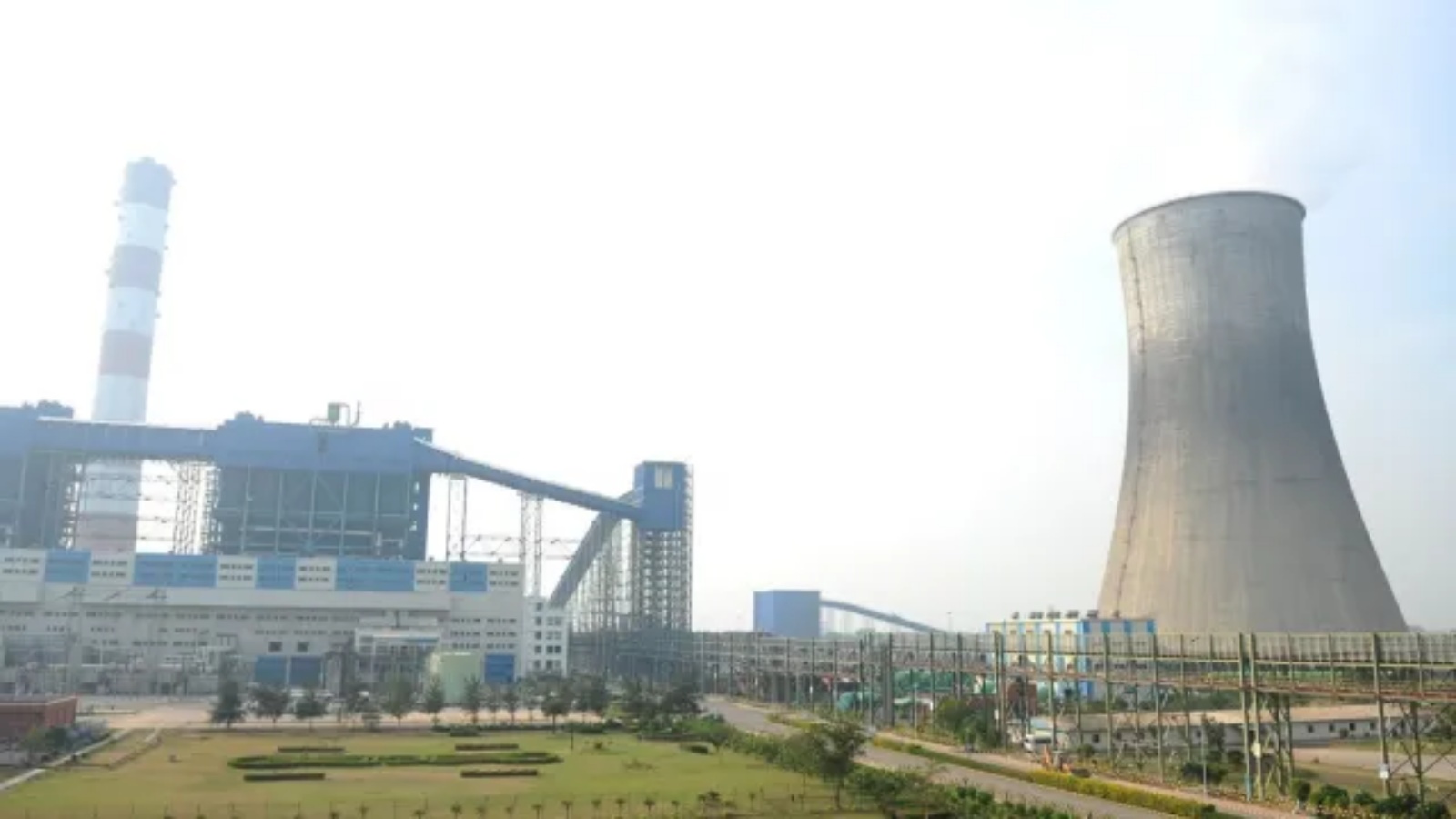
The process from initial fuel loading to commercial operation of the unit typically takes about six to eight months. (Source: File/ Representational)
Nuclear Power Corporation of India Limited (NPCIL) has begun initial fuel loading (IFL) at Unit 8 of the Rajasthan Atomic Power Project (RAPP) in Rawatbhata, Rajasthan, marking a key step towards commissioning the 700-megawatt-electric (MWe) indigenous pressurised heavy water reactor (PHWR). The reactor is expected to commence commercial operation during the current financial year.
The process from initial fuel loading to commercial operation of the unit typically takes about six to eight months.
“Initial Fuel Loading commenced at 15:18 hrs on September 19, 2026, in the presence of Shri S. D. Paraswar, Director (Operations); Shri N. K. Mitharwal, Director (Projects); Shri D. S. Rao, Site Director, Rawatbhata Rajasthan Site, along with the Station Directors,” NPCIL said in a statement.
The commencement of IFL followed permission from the Atomic Energy Regulatory Board (AERB) and completion of the prescribed prerequisites. “The permission was granted following rigorous safety evaluations, major system integrity audits and site readiness reviews conducted as part of the regulatory process,” the state-owned company said.
“With the commencement of IFL, Unit 8 has entered an important stage of its commissioning journey. The next major steps will include the First Approach to Criticality (FAC), marking the start of a controlled fission chain reaction, followed by the commencement of power generation,” NPCIL said.
Unit 8 of RAPP is the fourth reactor in the series of 16 indigenous 700 MWe PHWRs being set up in the country, the company said. The first two reactors in this series — Units 3 and 4 at Kakrapar Atomic Power Station (KAPS) in Gujarat — commenced commercial operation in 2023-24, followed by Unit 7 of RAPP in April 2025.
NPCIL said the development further strengthens the standardisation of the 700 MWe PHWR reactor design and supports its continued deployment in fleet mode.
Story continues below this ad
“The progress at RAPP-8 reflects the continued advancement of India’s indigenous nuclear power programme and NPCIL’s commitment to the safe, clean, reliable and sustained generation of nuclear power-based electricity,” the state-owned company added.
Meanwhile, geotechnical investigations for Units 9 and 10 at the RAPP site in Rawatbhata also commenced on September 19, marking a key step in the foundational development of the project, The Indian Express has learnt.
Apart from Unit 8 of RAPP, NPCIL currently has eight other reactors under construction — two each at Gorakhpur in Haryana and Kaiga in Karnataka, and four at Kudankulam in Tamil Nadu.
KioskNews shows a cleaned-up reading view extracted from the publisher’s page — the original always lives on their site, not ours.