Doctor moved to Odisha to treat Adivasis, now behind bars for anti-mining protests
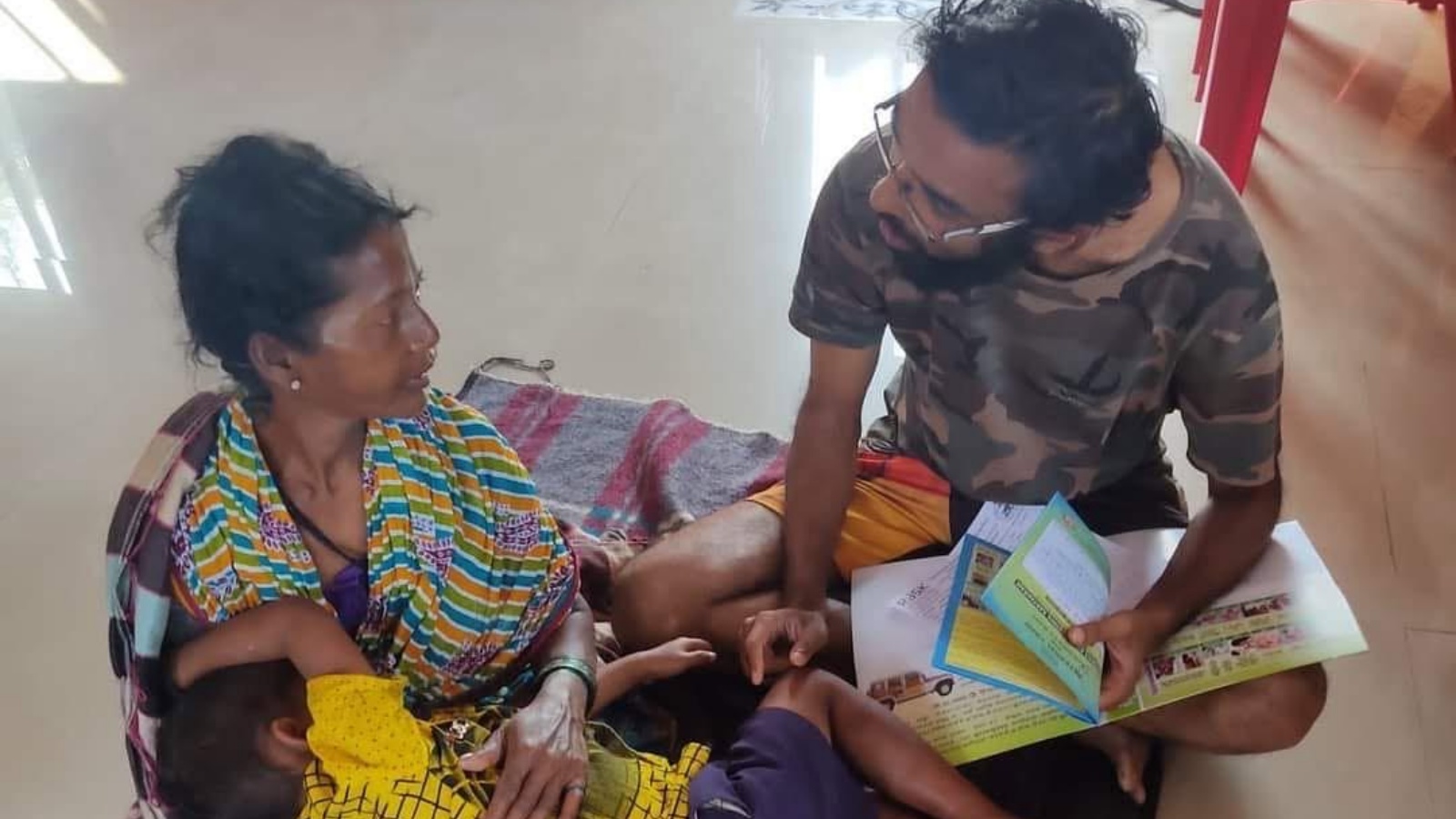
After completing his medical studies, Randall Sequeira chose a path less travelled. Leaving behind Mumbai, where he grew up, Sequeira moved to Odisha’s Kalahandi district, where basic healthcare remains out of reach for many tribals.
While he worked to improve healthcare access for locals, Sequeira (39) was, like several other activists, vocal against bauxite mining in the region.
Around 11 pm on October 16, Sequeira and another anti-mining activist, Laxman Naik, were picked up by the Kalahandi police from the former’s house at Bhawanipatna. Officers handed them over to the Rayagada police, and Sequeira is now in judicial custody in the sub-jail there, charged with offences ranging from attempt to murder and rioting to possession of arms.
Speaking to The Indian Express, Inspector General, south-western range, Akhileshvar Singh said the arrests were undertaken to maintain law and order in the region.
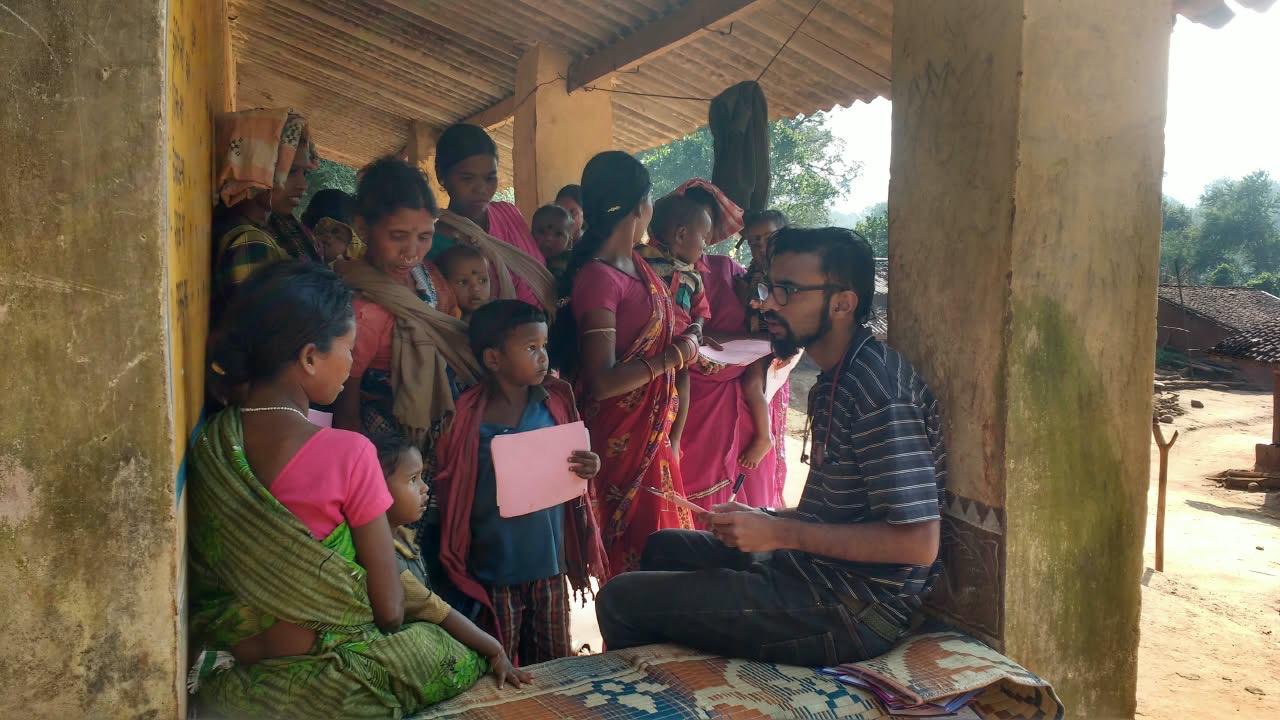 Randall Sequeira visits patients in Odisha. (Express photo)
“At least four to five serious cases were pending against him, and he was accused of instigating others in the region to make false allegations against the state government. Two tribal women have also lodged a complaint against him for instigating them,” Singh told The Indian Express.
Police officers say the arrest is linked to a violent clash between tribals and the police in April over the construction of an approach road to the Sijimali bauxite reserve in Rayagada district. While Sequeira wasn’t named in the FIR registered in connection with the clash, which left people on both sides injured, police claimed his role was established during the investigation.
Originally from Mangalore, Karnataka, Sequeira grew up in Mumbai and completed his schooling there. He completed his MBBS from St. John’s Medical College, Bengaluru and MD in internal medicine from Sawai Man Singh Medical College and Hospital, Rajasthan.
Story continues below this ad
In 2017, he decided to settle in Kalahandi to work with NGOs operating in the tribal region.
After a few years, he started working independently, often travelling to hard-to-reach villages to treat tribals and understand how they live.
“Sequeira, rather than merely prescribing medicines to treat malaria and tuberculosis — diseases that have long been prevalent among tribals — would try to understand the underlying social, economic and environmental factors,”
Dr Dewal Sawarkar, who worked with him for several years in Kalahandi, told The Indian Express.
Story continues below this ad
She said Sequeira believed people should be empowered to make decisions about their own health issues rather than depending entirely on doctors and medicine. “He used to move from village to village holding camps for pregnant mothers and malnourished children to raise awareness, address nutritional and maternal health challenges, and enable them to take an active role in improving their own health,” said Dewal.
Sequeira, according to his friends, helped tribal students prepare for medical entrance examinations as well.
According to Sequeira’s LinkedIn profile, he has worked closely with Adivasi communities and trained voluntary health workers on providing basic primary healthcare. “I enjoy this because it directly empowers communities to build local agency in taking health and wellbeing-related decisions,” he wrote.
During his time there, Sequeira also began supporting the tribals in their resistance against the bauxite mining project. In September 2023, the Kashipur police in Rayagada district made a general diary entry about Sequeira for circulating pamphlets, maps, and anti-mining materials in villages around the Sijimali hills, a proposed bauxite mining site.
Story continues below this ad
In July 2025, the Orissa High Court quashed an “exclusion order” issued under Section 163 BNSS that barred Randall Sequeira from entering Rayagada district. The section empowers Executive Magistrates to issue temporary written orders to prevent danger, public nuisances, riots, or threats to public safety and tranquillity.
Cyriac Abby Philips, a doctor and his senior from MBBS days, claimed Sequeira and Naik were held overnight without a warrant, an arrest memo or any stated reason, and kept from their lawyers and families.
“Randall has spent years taking healthcare to Adivasi communities in the remote hills of Kalahandi and Rayagada. His arrest is part of a wider crackdown on Adivasi and Dalit communities resisting bauxite mining in the Sijimali and Kutrumali hills. More than a hundred people have been jailed, and movement leaders are re-arrested in new cases each time they get bail,” Philips wrote in an Instagram post.
Protest against bauxite mining
The Sijimali and Kutrumali are two rich bauxite blocks in the Eastern Ghats hill ranges, interspersed with valleys. Both blocks, spread across Rayagada and Kalahandi districts, are known to have high-grade bauxite. The Sijimali block spans 1,500 hectares, with an estimated reserve of 311 million tonnes, while the Kutrumali block covers 702 hectares, with an estimated reserve of 127.737 million tonnes.
Story continues below this ad
While Vedanta bagged the Sijimali mine in February 2023, Adani Group-owned Kalinga Alumina Limited (formerly Mundra Aluminium Limited) was declared the preferred bidder for the Kutrumali bauxite block around the same time.
Some tribals have been opposing the bauxite mining project, citing that it would endanger their lives and livelihoods. They say the project would have a cascading impact on the region’s ecology and biodiversity. They have also been opposing the infrastructure projects to the region like railway connectivity and road construction, saying it would benefit corporate houses. The Maa Mati Mali Surakhya Manch spearheads the anti-mining protest in the region.
On April 7, a pre-dawn raid by the police in Kantamal village had triggered a clash between tribals and police personnel. Locals alleged the police raided the village at 3 am to detain those opposing the construction of an approach road to the Sijimali mining project.
Villagers alleged electricity to the village was disconnected before the raid, and the police broke down doors to enter houses. Police claimed they had gone to the village to arrest one person, against whom a non-bailable warrant had been issued. Nearly 58 people, including police officers, sustained injuries in the clash and 23 activists and local villagers were arrested.
Story continues below this ad
Activist Prafulla Samantara, who has been conferred with the Goldman Environmental Prize in 2017 for leading a 12-year battle against bauxite mining in Niyamgiri hill in Kalahandi district, condemned Sequeira’s arrest.
“Is it a crime for a doctor like Randall to be sympathetic for the tribal cause within constitutional right,” he wrote in a letter addressed to the superintendents of police of Kalahandi and Rayagada.
Samantara, who is the national convenor of Lok Shakti Abhiyan, also condemned the ongoing “police repression” through the arrest of local tribal and Dalit villagers and their supporters.
KioskNews shows a cleaned-up reading view extracted from the publisher’s page — the original always lives on their site, not ours.