SC rejects presumption of child sale, orders custody to adoptive parents in Telangana
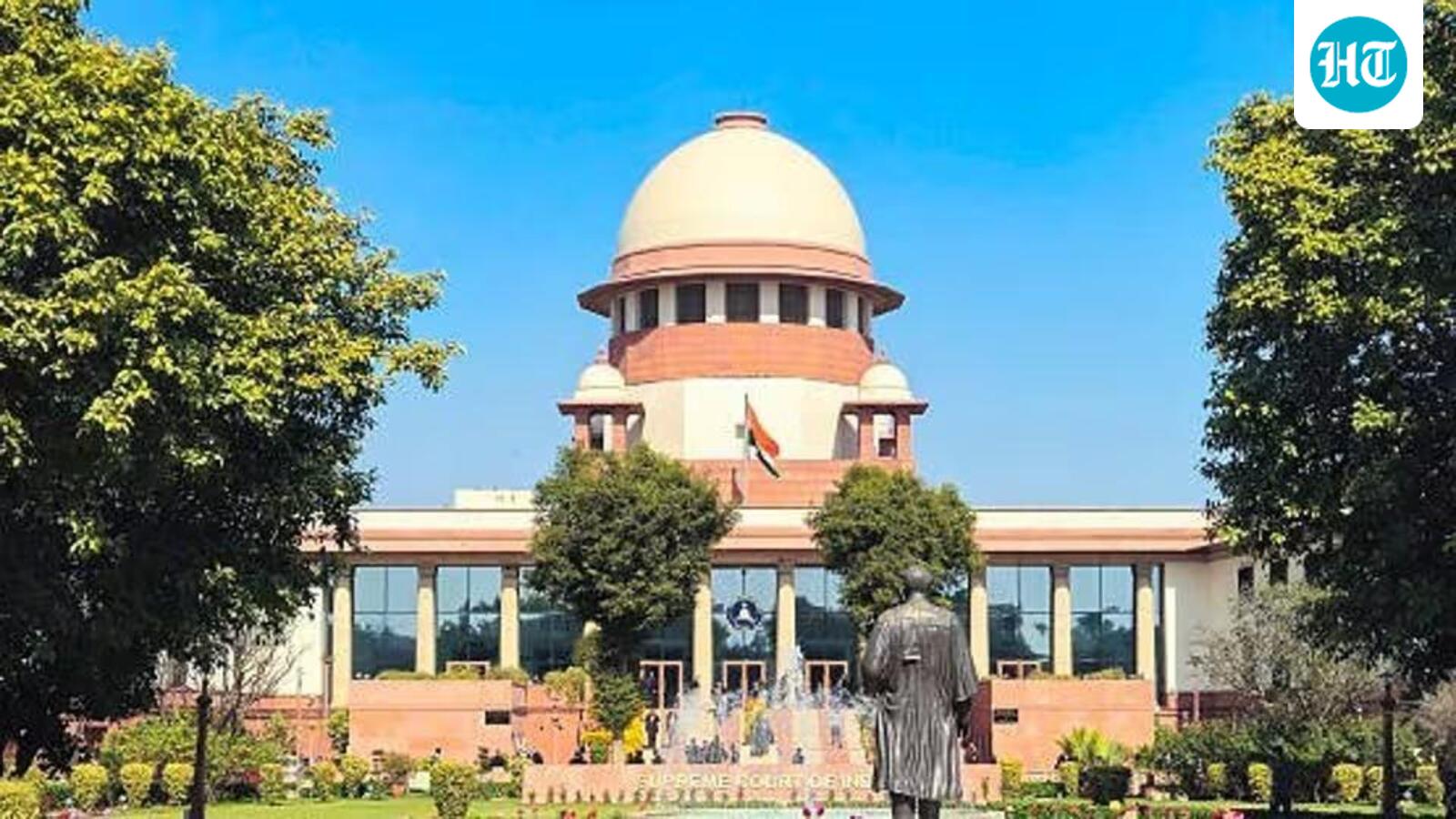
The Supreme Court has ordered the handover of a two-year-old boy to his adoptive parents in Telangana, holding that a biological mother’s financial constraints in giving up her child cannot, by themselves, lead to a presumption of child sale, while clarifying that its order does not affect investigations into an alleged inter-state trafficking racket involving other children.
The two-year-old boy’s mother, a single parent, gave the child to a married couple soon after his birth in April 2024. The couple cared for the child, vaccinated him regularly, celebrated his first birthday, and enrolled him in the Aadhaar database. However, the state’s Child Welfare Committee (CWC) forcibly took the child away in February 2025, prompting the couple to approach the court. The couple initially approached the high court, which refused to release the child in June 2025. Challenging this judgment, they appealed to the top court.
A bench of justices MM Sundresh and PB Varale, in its order passed on Thursday, said, “We are inclined to hold that the factum of the child being given by way of adoption by the biological mother, due to her inability to care for the child because of financial constraints, would ipso facto (by the very fact) not lead to the presumption that she sold the child to the adoptive parents.”
The court noted the facts of the case, which showed the duty of care and responsibility shown by the child’s adoptive parents. The bench said, “The child was taken into custody by the adoptive parents and it is not a case where the child was not taken due care of by his adoptive parents.”
The court set aside the high court order and directed the Shishu Griha, Hyderabad, to hand over the child’s custody to the adoptive parents.
The Telangana government, represented by advocate Sravan Kumar Karanam, submitted to the court that the release of the child was not in his best interest, as the present matter was not an isolated custody dispute but part of a larger and organised inter-state child trafficking network.
The state presented facts to show that investigations into similar cases of child sales, registered under separate FIRs in the state, had revealed the procurement and sale of infants under the guise of adoption through agents, middlemen and trafficking channels operating across multiple states.
The adoptive parents in the present case had admitted to paying ₹6 lakh to procure the infant through one “Vijayalaxmi”, who was stated to be part of the trafficking chain, the state said. The police investigation, as submitted by the state to the court, revealed that the network operated beyond Telangana, extending as far as Gujarat, Maharashtra, Karnataka and Tamil Nadu.
The bench clarified that its order was limited to the case of one child and did not touch upon the issues relating to the “pending investigations concerning other children who are alleged to have been trafficked.”
The high court had turned down the petition of the adoptive parents on the ground that the adoption deed through which the child was taken in adoption was neither in accordance with the Juvenile Justice (Care and Protection of Children) Act, 2015, nor executed through the Central Adoption Resource Authority (CARA). It further noted the pending investigations and said that the minor child would be safe in the custody of the CWC within the framework laid down under the 2015 Act.
The petitioners (adoptive parents) had told the court that they got married in 2012 but failed to conceive a child for 12 years. It was in 2025 that they met the biological mother, who already had a girl child and was expecting another baby. The petitioners then expressed their desire to adopt the child who would be born, regardless of whether it was a boy or a girl.
As the single mother was financially strained to bring up two children, she agreed to the proposal and voluntarily gave the child in adoption to the couple through an adoption deed signed by her on April 30, 2024. The fact that she was the biological mother of the child given in adoption was not disputed by the state.
KioskNews shows a cleaned-up reading view extracted from the publisher’s page — the original always lives on their site, not ours.