Broadcasters need content creators ‘more than creators need them’

Broadcasters need content creators more than creators need them due to the shift in how the public consumes media, according to a leading production company backed by Elisabeth Murdoch.
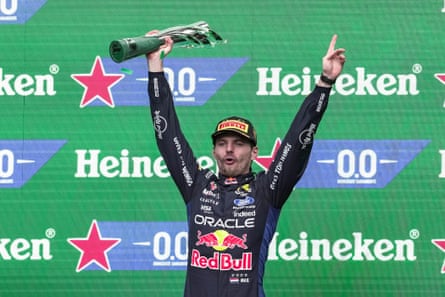
Founded 10 years ago, the trajectory of creator-led After Party Studios (APS) reflects the disruption of the old TV broadcasting model by content creators, as it makes what it calls “culturally relevant” shows with stars such as the YouTuber KSI and F1 driver Max Verstappen that pull in millions of views.
Traditional broadcasters – such as the UK’s BBC, ITV and Channel 4 – have previously been squeezed by the rise of global streamers like Netflix and Amazon, and are now being hit by viewers and advertisers moving online, leading to C4 cutting a third of its workforce and the BBC axing shows such as RuPaul’s Drag Race and BBC Three’s TV channel.
Although television still has big hits – such as Celebrity Traitors, which drew about 15.7 million viewers in the UK for the first episode of its 2026 series – audiences have slowly been shifting towards the creator economy, where talent largely bypasses the big institutions and goes straight to young viewers on platforms such as YouTube and TikTok.
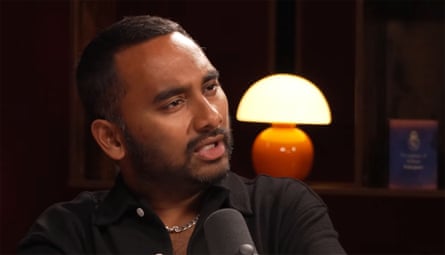
A prime example of this shift is the rise of creator journalists who talk directly to consumers that subscribe to their newsletters and videos on Substack, YouTube and Patreon. The most high-profile TV journalist to jump ship recently is Amol Rajan – who left the BBC’s Today programme for his own channel, The Amol Rajan Connection.
Initially, creators found it hard to get recognised by television. The chief executive of APS, Josh Barnett, previously said that if Channel 4 came knocking, creators thought: “That’s cool, that’s shiny, that’s interesting,” but now broadcasters and streamers “probably need the creators more.” Unless a broadcaster offers an “incredible opportunity” (like putting King Kenny on Celebrity Traitors) or an “absolute fortune”, he said, creators are “not that interested”.
He said traditional firms were “spending a lot of money on YouTube” but “not that many big creators” are jumping ship because they already have “such big broadcast channels themselves” or can make shows like APS’s series Inside Neymar Jr’s World on YouTube, which is funded by Red Bull.
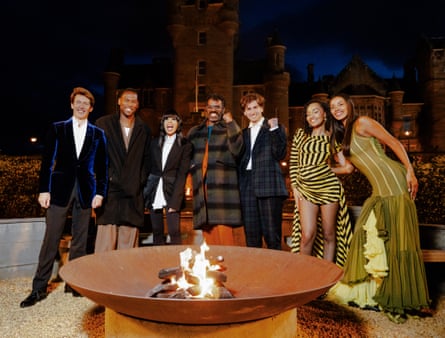
Callum McGinley, who has 3.9 million subscribers on YouTube and 1.5 million Instagram followers under his handle Callux, and who co-founded APS with the executive creative director Ben Doyle, said “the worlds have overlapped now” between creators, traditional TV and advertising.
The pair have come a long way from hanging out with YouTubers the Sidemen in a tower block. They tried out new formats and ideas before founding APS – now backed by Murdoch’s media company Sister Group – in a tiny basement in east London.
Describing their company as “mainstream meets digital”, APS also makes shows for traditional TV companies, such as socials-focused sports series Scenes for Sky.
Doyle said both parts of the sector can learn from each other and the “most exciting things are coming from this blending of worlds”. But Barnett said creators are winning millions of followers because brands are “playing commissioners … they’re trying to get a message out there and win the hearts and minds of audiences”, whereas traditional channels often focus on keeping their existing business and “take their eye off the ball” of audience migration.
The UK’s media regulator, Ofcom, reported recently that those watching scheduled “linear” TV for at least 15 minutes a week fell from 73% in 2024 to 70% now – although the heritage broadcasters’ on-demand services grew overall by 9% last year.
The APS trio pointed out that if you have a good idea you can “just go and do it yourself” now, rather than waiting to get a “commission [for] it from a broadcaster [or] streamer”, because YouTube and TikTok have no gatekeepers.
Brand-funded shows were commonplace on the new platforms but only work when they are done “in service of the audience, not in service of the client”, said Doyle.
Part of the new ecosystem is the clip economy, where short, clippable moments are used for marketing and monetised on platforms like YouTube by selling adverts around them. Doyle suggested the BBC’s Proms, which includes modern music young audiences might like, could benefit from the publicity of clippable elements used in the Sidemen charity football match APS produces, such as a player bungee-jumping into the stadium.
But companies such as APS are also moving into longer-form content. It wants to make scripted shows for young, underserved audiences, as Doyle says they are “watching reruns of Gavin & Stacey.”
McGinley added young audiences want stories of hope, and content that represents “true reflections of people’s actual experience”. He predicted “flawed human” stories being popular to combat the rise of “weaponised AI” and counter the unattainable content in videos that puts youngsters under pressure where, “everyone’s got a Ferrari, everyone’s trading crypto, everyone’s got a hot girlfriend/boyfriend”.
He said APS works with charities and teaches young creators about governance and making content that works in a “positive way” to combat division.
Interestingly, the trio said Sister Group took a stake in them as they were the only creator company that mentioned “craft”. Murdoch’s company is building a next gen empire, making dramas such as Netflix’s Black Dove and investing in companies that back young talent, from animators to publishers, which McGinley thinks collectively could create something as big as “the next Spider-Man”.
KioskNews shows a cleaned-up reading view extracted from the publisher’s page — the original always lives on their site, not ours.