OpenAI’s new ChatGPT Wallet lets AI agents shop for you: Here’s how to set it up
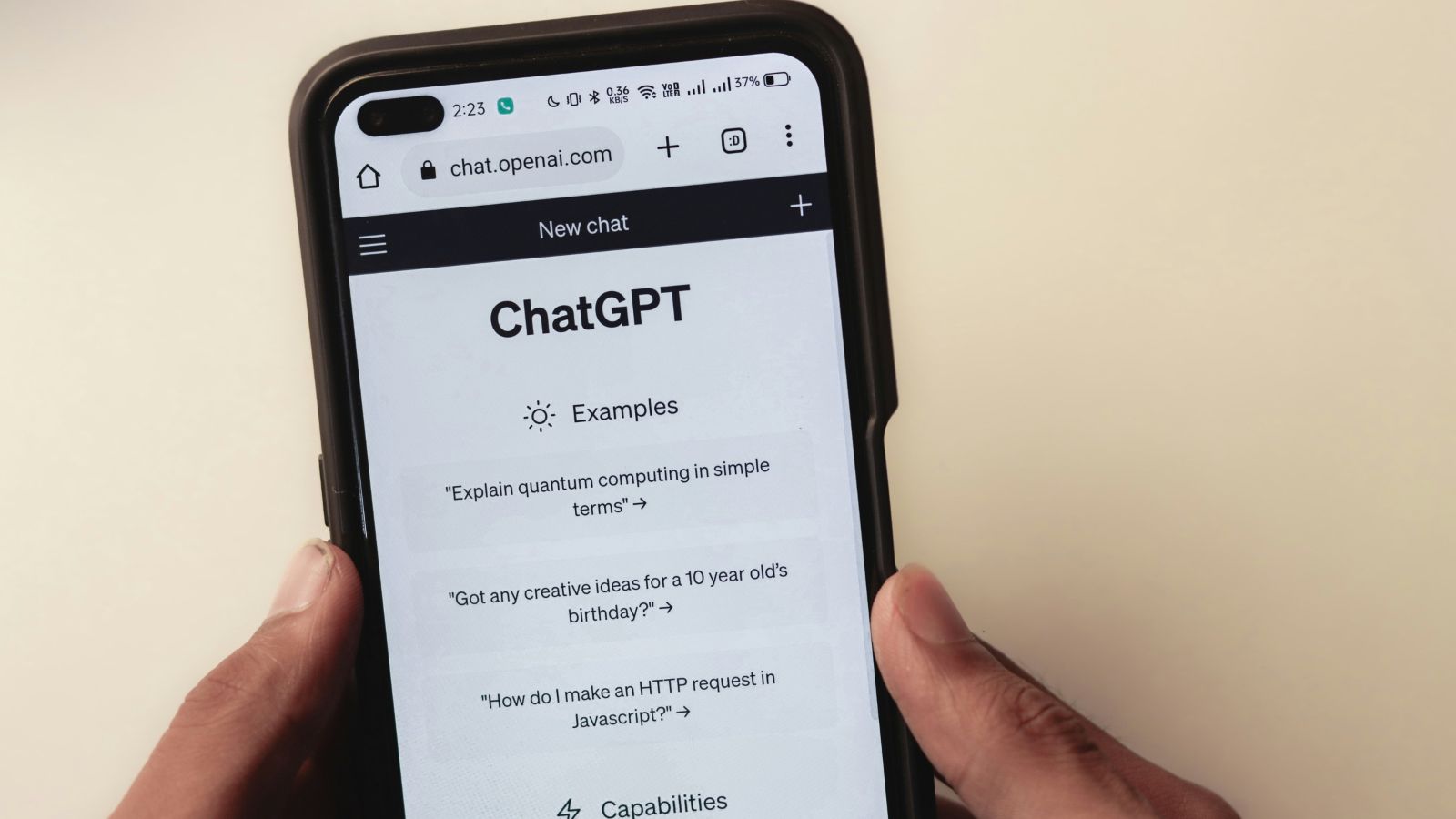
OpenAI on Friday, November 13, introduced a new shopping feature that lets its personal AI agents help users decide what to buy and complete the purchase at checkout on their behalf.
With the new ChatGPT Wallet feature, OpenAI’s personal agents known as ‘Dots’, can shop on users’ behalf from start to finish, using a payment card that users authorise before the transaction is completed at checkout.
However, the AI startup said it has put in place user controls. For instance, users will be able to review the items before purchasing as well as the total cost. Additionally, users can approve purchases directly with Face ID or a fingerprint, creating a record of their transaction.
ChatGPT Wallet will initially be rolled out to a limited number of ChatGPT Pro subscribers in the US who are 18 years or older. The feature currently supports US-issued Visa, Mastercard, or American Express credit cards.
The new option comes at a time when AI companies are betting on consumer-facing, personalised AI agents that can become embedded in people’s digital lives and complete various tasks.
Meta’s Muse AI agent now has over 10 million users, with AI-assisted shopping emerging as a key offering on its app that was launched a few months ago. Several other personal AI agent offerings such as Instinct also support AI agent-driven shopping purchases on users’ behalf.
However, online aggregators such as DoorDash and Uber have reported relatively few orders placed by AI agents, suggesting that agent-led shopping and ordering are yet to gain mainstream traction.
Story continues below this ad
Meanwhile, OpenAI is looking to add support from a broader number of retailers to ChatGPT Wallet. However, this could be a challenge as major retailers have blocked AI agents from accessing their sites. For instance, Amazon blocked Meta’s Muse shortly after its release, citing privacy and security concerns, even as it aims to steer users to its own AI agent, Alexa, instead. This suggests that a bigger battle is brewing among online service providers and consumer AI agent vendors.
How to setup and use ChatGPT Wallet
The setup process seems fairly straightforward. First, ChatGPT subscribers need to add their eligible payments cards to the new ChatGPT Wallet. Then, they need to ask their Dot AI agent to help with a process.
By adding the payment card, users do not have to worry about re-entering their card information every time their agent buys something on their behalf.
At checkout, ChatGPT Wallet automatically charges the selected card using a payment token, which is a substitute for the user’s actual card details. Similar to Apple Pay, relying on tokenisation ensures that users’ payment card information is not shared with either the Dot agent or the merchant.
Story continues below this ad
Other details such as shipping address and contact information will be automatically shared with the merchant by the user’s Dot agent, OpenAI said. Customers who shop via their Dot agent will still be able to earn credit card rewards and will still be able to dispute transactions, etc., according to the AI company.
In order to help retailers learn and adapt more easily to the agentic commerce trend, OpenAI has also published a Commerce Partner Playbook that comprises tools and guidance to e-commerce websites that want to support customers using AI agents.
Moving forward, OpenAI further plans to give users more control over ChatGPT Wallet by allowing them to set spending limits or add their own parameters for specific products so that they can pre-approve purchases and let their Dot agent handle the transactions more autonomously.
KioskNews shows a cleaned-up reading view extracted from the publisher’s page — the original always lives on their site, not ours.