Delhi AQI 300-plus: Asthmatic man develops pneumonia, wife and son suffer breathing problems
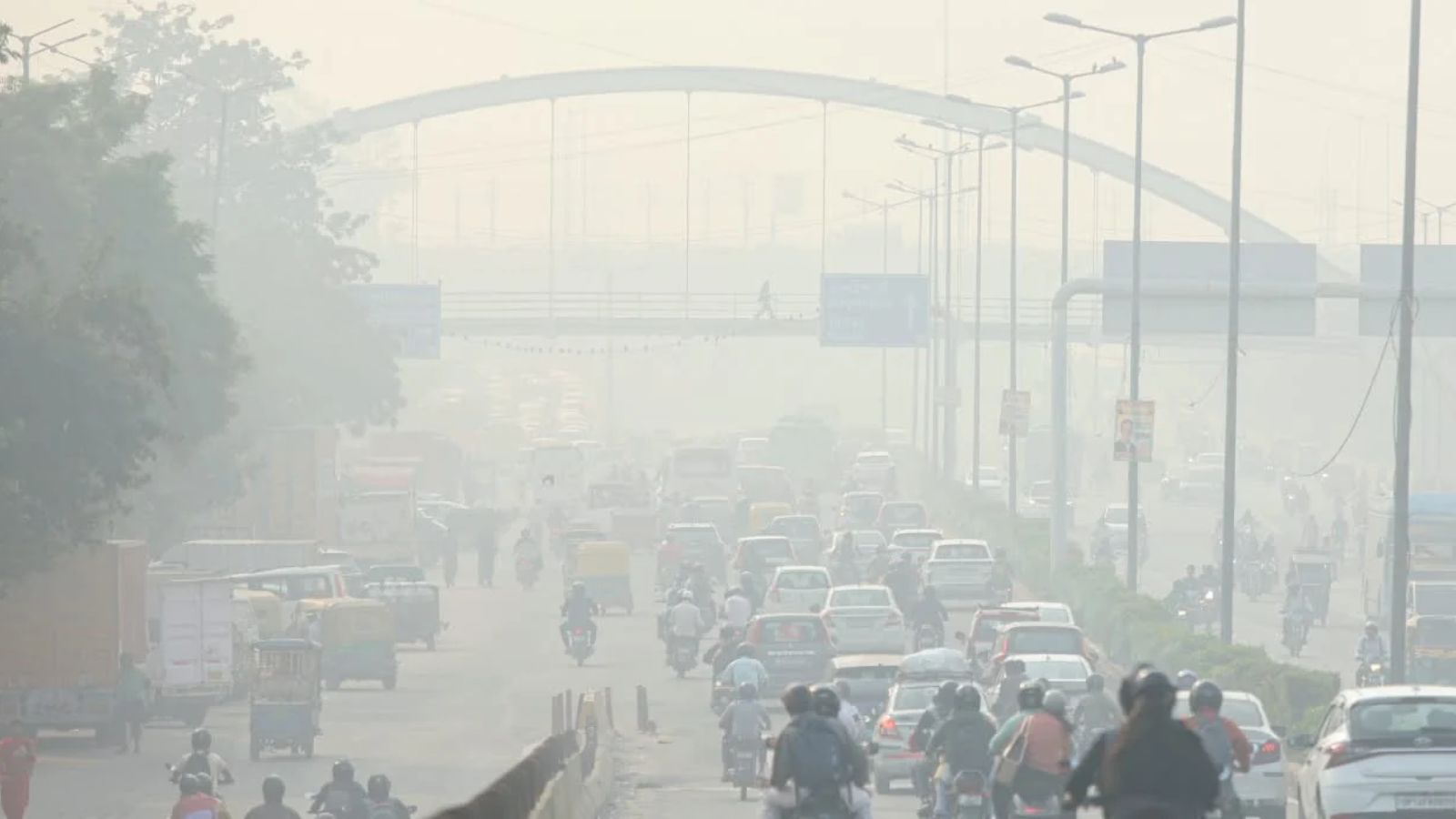
For the Kapoors, Delhi’s worsening air quality has become more than a seasonal inconvenience. It has turned into a shared health concern. Fifty-year-old Rohan Kapoor, who has a history of asthma, returned to Delhi a few weeks ago after spending some time outside the city. “It is hardly November and the AQI (air quality index) has already hit 300-plus. His asthma symptoms worsened. He subsequently developed pneumonia, and his oxygen levels dropped, requiring medical attention,” says Dr Nikhil Modi, Senior Consultant, Respiratory Medicine, Indraprastha Apollo Hospital, Delhi.
Then his wife and son, neither of whom had a history of asthma, also began experiencing respiratory problems. His wife complained of a sore throat and difficulty breathing, while both she and their son continued to suffer from throat irritation and congestion. The family is receiving outpatient treatment, but the symptoms have persisted for weeks. Neither the wife nor the son developed a fever; the man with asthma was the only one in the family who did. “The episode highlights how prolonged exposure to poor air quality can affect people differently, including those with no known respiratory illness,” adds Dr Modi.
Currently with an AQI of around 350, Delhi is firmly in the ‘very poor’ category. And the danger lies not merely in the visible blanket of smog but in the fine particulate matter suspended in the air, which enters the respiratory system with every breath. “An asthmatic exposed to an AQI of 300 can experience a sudden worsening of symptoms. Polluted air irritates already sensitive airways, causing inflammation, narrowing of the breathing passages and increased mucus production. What starts as a cough or mild chest discomfort can quickly turn into wheezing and breathlessness. Even a few hours of exposure can trigger an asthma attack in some people. Even people with perfectly healthy lungs can be affected. With repeated exposure, the airways can become increasingly sensitive. The absence of an existing respiratory illness does not mean the lungs are protected from pollution,” says Dr Modi. Excerpts:
Why is PM2.5 particularly concerning?
PM2.5 refers to particles that are 2.5 micrometres or smaller in diameter. Because of their extremely small size, these particles can travel deep into the respiratory system, reaching the smaller airways and the air sacs of the lungs.
The lungs have natural defence mechanisms, including mucus and tiny hair-like structures called cilia, which help trap and remove particles that enter through breathing. However, repeated exposure to high concentrations of PM2.5 can interfere with these protective mechanisms. The particles can trigger inflammation in the airways, irritate the respiratory lining and increase mucus production. This can lead to a persistent cough, throat irritation, wheezing and breathlessness.
Unlike a respiratory infection, where symptoms may gradually settle as the body recovers, pollution exposure can continue every day. This means that the airways may not get sufficient time to recover from the irritation.
What happens when healthy lungs face repeated exposure?
One common misconception is that air pollution mainly affects people who already have asthma, COPD or other respiratory conditions. However, healthy lungs are not immune to its effects. Repeated exposure to high levels of particulate matter can cause inflammation even in people without a diagnosed lung condition. Initially, this may present as throat irritation, occasional coughing or a feeling of tightness in the chest. With continued exposure, some people may experience increased airway sensitivity, where even relatively minor triggers such as dust, cold air or physical activity can bring on coughing.
Story continues below this ad
The concern is particularly relevant during Delhi’s prolonged pollution season. If poor air quality continues over the next few months, the respiratory system will face repeated episodes of irritation. Over time, sustained exposure is associated with reduced lung function and a higher risk of respiratory problems. This does not mean that every healthy person exposed to pollution will develop permanent lung damage, but repeated exposure is not harmless simply because symptoms are mild or absent.
When should a cough lasting three weeks be investigated?
A cough that continues beyond three weeks deserves medical evaluation, even in the absence of fever. While pollution-related airway irritation and post-infectious inflammation are possible causes, they should not be assumed without assessing other conditions.
Persistent cough can also be associated with asthma, allergic rhinitis, post-nasal drip, acid reflux, tuberculosis and other respiratory infections. A doctor may recommend a chest X-ray, lung function testing or other investigations depending on the patient’s symptoms and medical history.
Cough accompanied by blood, unexplained weight loss, night sweats, chest pain or breathlessness needs particular attention. In India, tuberculosis must also be considered when evaluating a cough lasting three weeks or longer.
Story continues below this ad
How can people reduce their exposure?
With several weeks of poor air quality still ahead, reducing daily exposure becomes important. People should avoid outdoor exercise when pollution levels are high, particularly during morning and evening hours. A well-fitted N95 mask can help reduce the inhalation of fine particles when outdoors. Keeping windows closed during periods of high pollution, using an air purifier indoors where possible and maintaining clean indoor air can also help.
Most importantly, a persistent cough should not be managed simply by repeatedly taking cough syrups or assuming that it is a seasonal problem. The absence of fever does not rule out an underlying respiratory condition. Identifying the cause early and reducing further exposure can help prevent a prolonged respiratory problem from being overlooked.
KioskNews shows a cleaned-up reading view extracted from the publisher’s page — the original always lives on their site, not ours.