‘Our history is coming back’: 39 Naga ancestral remains to reach Kohima
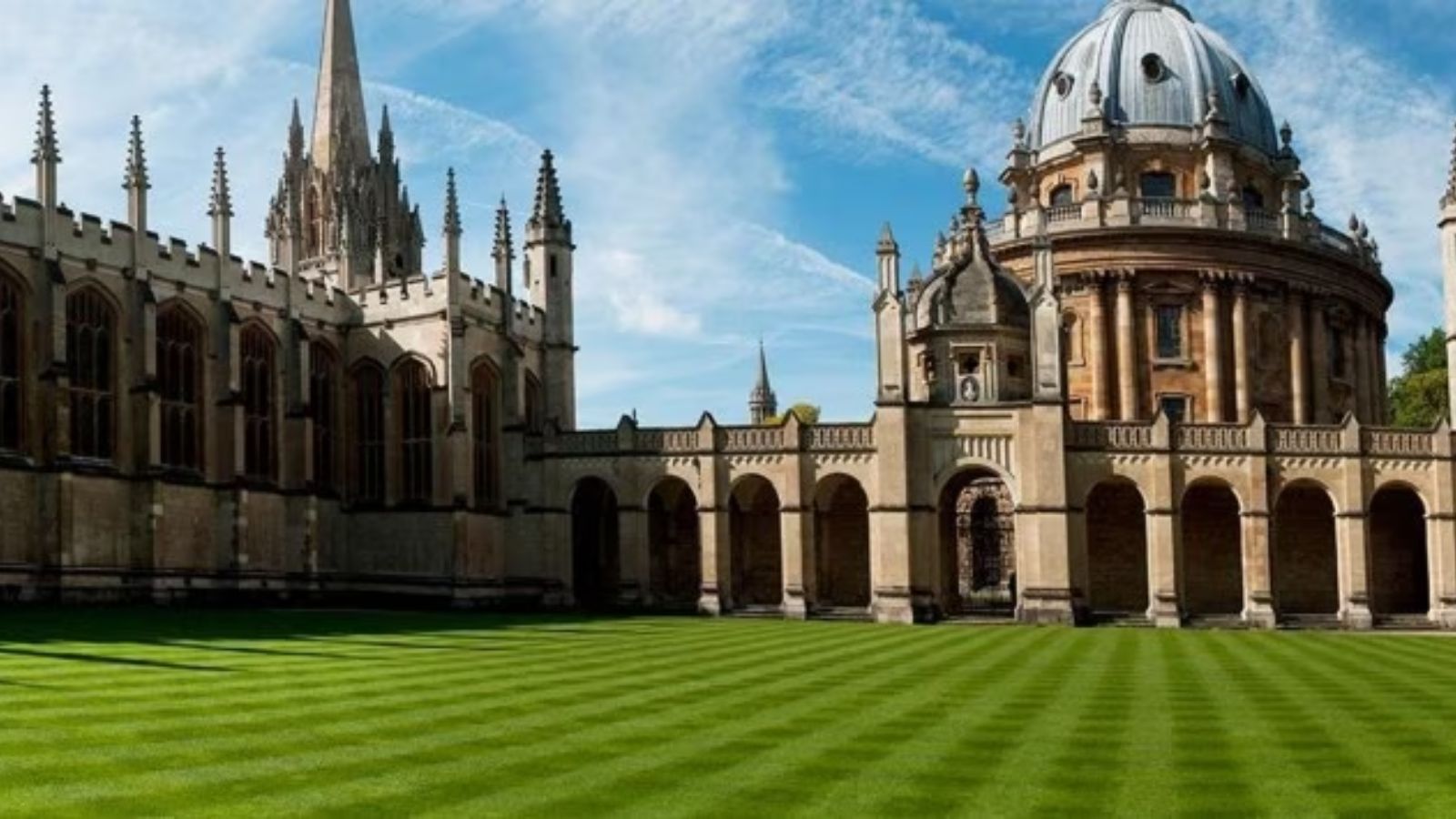
After being held at the University of Oxford’s Pitt Rivers Museum for nearly a century, 39 Naga ancestral human remains are set to reach Kohima on November 27.
Speaking to The Indian Express, Rev. Dr. Wati Aier, convenor of the Forum for Naga Reconciliation (FNR), said that tribal leaders and community members had agreed upon the fact that all the remains will be buried in one location in Kohima and not taken to different places. The remains have reached Delhi and will be sent to Dimapur on Friday before making their journey to the state capital.
“The remains were taken almost a century back. Even in terms of Naga cosmology and spirituality, it is like a part of our being has been taken away to a foreign land. The distance between home and foreign land forms a void and vacuum that has created a trauma for us. Now that at last things are beginning to converge, it is like a chunk of our history is coming back to us,” Aier said.
Stating that the remains will be buried in the Naga Solidarity Park, which is part of the Nagaland Students’ Federation, Aier said: “While it is a happy moment, it is also about healing and finding our own dignity. This historic process will have abiding significance in the life of our people”.
The repatriation process was initiated in 2020 following an agreement with the museum.
“It took us this long because we needed to go to the people and to the tribal organisations to find out whether it is something we can work together on. Everyone agreed and said they will be a part of the repatriation process,” Aier said, while adding that government-level discussions were held to smooth out technical aspects like customs, archaeological and cultural issues.
N.T. Thanlong Phom, vice-president of the Phom Peoples’ Council, was a part of the delegation that went to the museum earlier this month when the formal handing over of custodianship was done.
Story continues below this ad
Phom, who is also the co-convenor of the local arrangement committee on repatriation, told The Indian Express: “It is a very significant and historic moment. Firstly, our ancestors weren’t given a dignified burial. Secondly, through their return, we hope that there will not only be some self-healing but also healing among the community and all the Nagas”.
“It will be an opportunity for Nagas to give up the legacy of the British that is dividing. All the tribal leaders are very happy, and we are in fact planning to have more repatriation,” Phom said while stating that there are more Naga ancestral human remains in various museums across the globe.
Phom said that while there were a total of 215 remains, including hair and nails, under the current agreement, 39 skulls are on their way back to Nagaland.
“There were a total of 40 skulls, but they refused to give one as it is not clearly mentioned from which area it was taken and if at all it belongs to the Naga homeland,” Phom said.
Story continues below this ad
According to the Pitt Rivers Museum, it holds the largest collection of Naga material in the world, most of which were “gathered by colonial administrators in the twentieth century.” According to records, the first Naga ancestral remains were given to the museum by John Henry Hutton, and it was in 2020 that the museum removed all human remains from display.
KioskNews shows a cleaned-up reading view extracted from the publisher’s page — the original always lives on their site, not ours.