Burnham’s Brexit deal is different to Starmer’s in one key aspect - and that makes it seismic
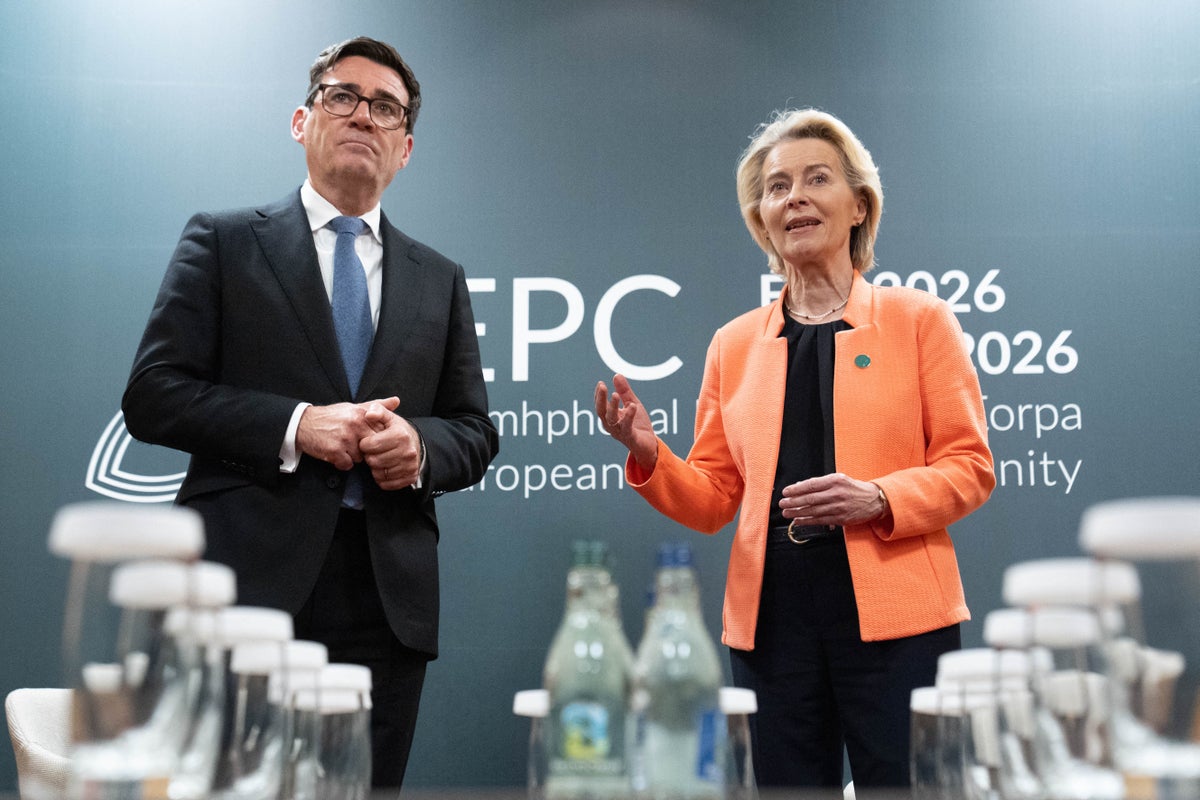
For those seeking an answer to the question “how is Andy Burnham different to Keir Starmer?” - they only need to look to Friday when the next prime minister rolls up in Brussels to sign another Brexit reset deal.
And the best evidence of that is the supporters of Brexit, including Nigel Farage, are expected to be there in the EU’s capital to fight him over the push to rejoin the trading bloc.
While Mr Burnham has undoubtedly shown more empathy and better communication skills than his predecessor his policy shifts have either been incremental such as £2 bus fares, or postponed until after next election, like his hopes for a national care service.
In truth a lot of Labour MPs, while pleased about the improved polling and having a leader who can communicate with the public, have begun to chunter that he has promised bold changes but essentially stuck to the Starmer rigid policy playbook.
On the surface the summit with Ursula von der Leyen et al in Brussels next week will not look much different - certainly that was the view of former European affairs minister Nick Thomas-Symonds when he spoke to The Independent.
But actually the whole philosophy of the occasion will be completely different.
For Sir Keir the reset was an end in itself - an improvement on the Boris Johnson deal but only something which at best would be tinkered with in the future.
For Mr Burnham the agenda will be completely different - the deal will be “a launch pad” to a much more radical approach to dealing with the catastrophe of Brexit.
We largely know what is set to be announced on Friday - the UK aligning with EU rules to end border checks, with food and drink being the major one.
But we are going to get a long awaited youth mobility scheme, something to help students and in addition there will be an energy deal and some sort of agreement on defence cooperation.
The actual nuts and bolts of what is announced will not be much different to what Sir Keir would have been signing as well.
But the bigger announcement is likely to be that this is just a beginning. Mr Burnham will be looking towards a new process which will move on to 10-year-plan being published in weeks and include options to reverse the harms of Brexit.
That in itself will be the start of a road to the next general election where the Labour manifesto seems likely to include wording on rejoining the EU or at least the single market or customs union.
Mr Burnham is expected to be very clear about this on Friday in a way that Sir Keir would not go anywhere near. The Starmer approach was in fact very similar to the Rishi Sunak approach in the Windsor Framework in 2023. As one Labour insider described it: “It was the polishing the t**d philosophy.”
The “t**d” being Brexit. Burnham has made no bones about wanting to consign Brexit to the dustbin of history. His conference speech confirmed that he sees one way to end “a decade of division and low growth” is a closer relationship with the EU.
So when the deal is looked at in the framework as the start of Rejoin instead of just an end point in itself, the optimism around the summit changes significantly. Alignment on food and drink becomes a first step towards readopting EU regulations and rejoining the club.
It is the equivalent of dipping your toe into the pool to check the temperature before plunging back in.
And the other likely presence in Brussels on Friday should confirm that things are far more serious.
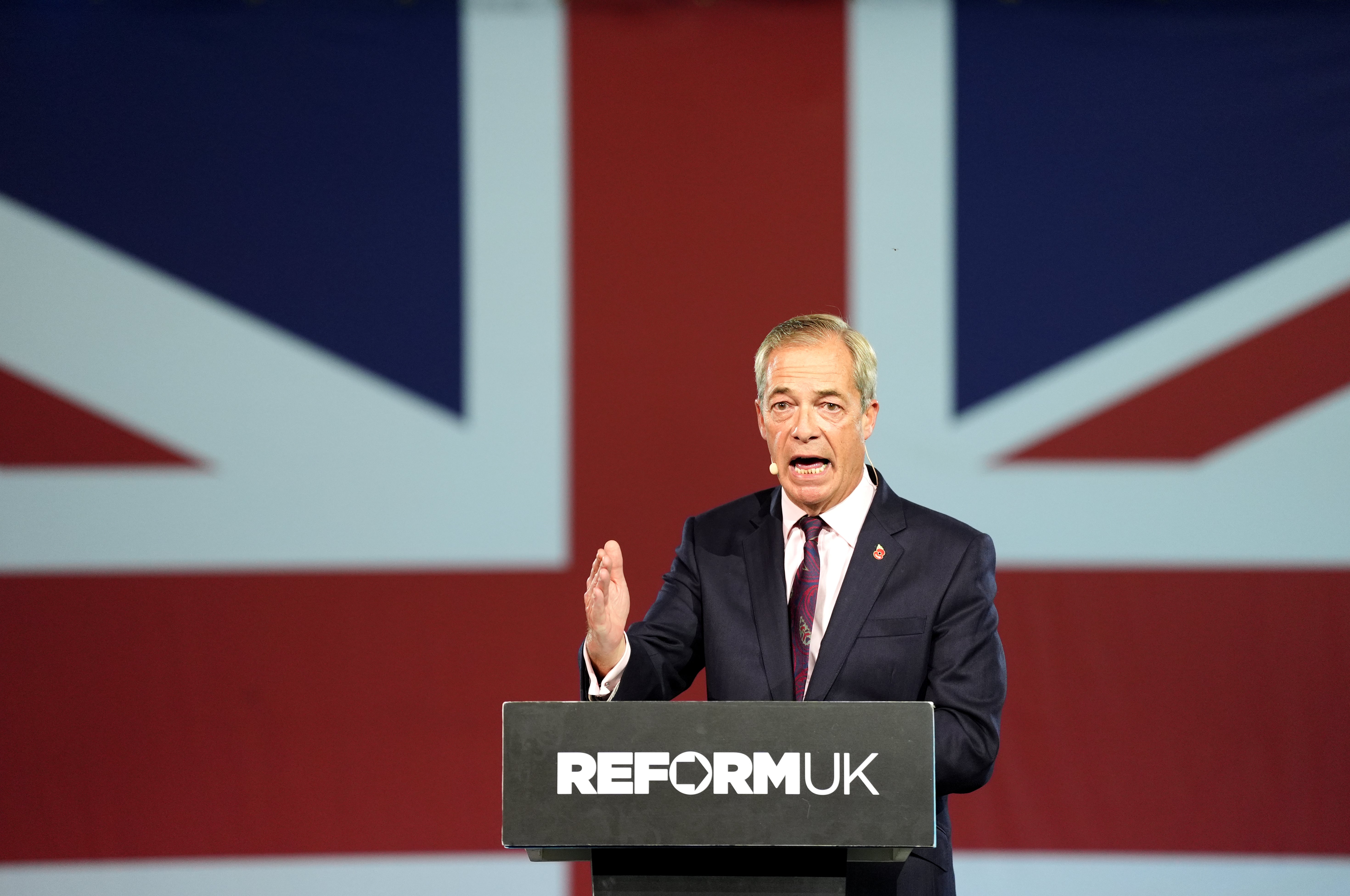
Had this being Starmer tinkering with the Brexit deal, Mr Farage and his Brexiteer allies would be nowhere near, they would just complain about it on social media or GB News.
But instead, the Reform UK leader is currently expected to be in Brussels with his friend and ally Arron Banks to relaunch Leave.EU, the pro-Brexit campaign group.
Those plans are still being worked on but opponents of Rejoin know they have a fight on their hands and that the momentum to returning to the bloc is gathering pace.
And let’s face it - with Reform dropping like a rock in the polls Mr Farage’s last chance of reviving his party is probably embracing Brexit again, even though he has been largely silent on the subject for the last two years.
So while Friday’s details may be a little disappointing, the significance of what it means and what it starts should be seismic and we all better buckle in for a revival of the Brexit battles ahead.
KioskNews shows a cleaned-up reading view extracted from the publisher’s page — the original always lives on their site, not ours.