Navy chief warns UK must ‘strengthen warfighting readiness’ as Russia ‘probes for weakness’
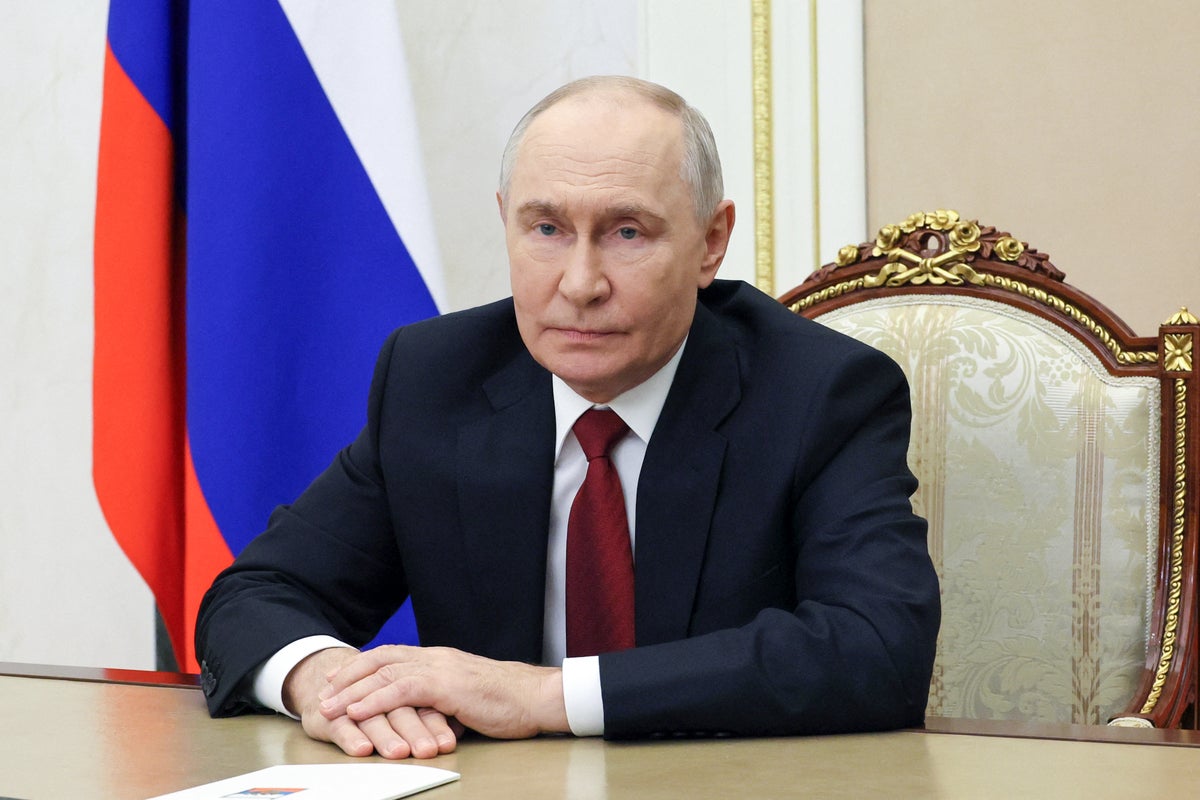
The UK must bolster its warfighting readiness as Russia "is probing us for weakness" in the North Atlantic, the head of the Navy has warned.
First Sea Lord General Sir Gwyn Jenkins stated that the sea "has arguably never mattered more to Britain", sustaining essential trade, energy supplies, data networks and communications.
Failure to protect these lines would cause disruption "felt quickly in every household, every business and every department of state", he said.
Speaking on Wednesday at Admiralty House during a reflection on the Second World War Battle of the Atlantic, Sir Gwyn said: "If we are to prevail in the Atlantic again, we must strengthen our warfighting readiness and rediscover what it means to be a maritime nation."

Identifying Moscow as "the greatest threat to our security today", the First Sea Lord warned that Russian president Vladimir Putin was "increasingly active in our domain" in the High North.
"We are spending increasing amounts of time and resource monitoring Russian vessels and the shadow fleet. On average, two Royal Navy warships are now being deployed every week for this purpose.
"Russia is probing, testing and mapping. It seeks advantage in the grey zone, particularly around the critical undersea infrastructure on which modern societies rely."
He noted that Russia "considers us to be one of its greatest foes" and warned that the UK faces security threats unseen since the Cold War.
"That is why the Royal Navy continues to invest in anti-submarine warfare, underwater surveillance, maritime aviation and Allied integration," he said.
Sir Gwyn outlined what he termed the Navy’s "most radical and far-reaching reform" – shifting to a "hybrid Navy" that pairs traditional warships, submarines and aircraft with drones, sensors and AI.
Experience from Ukraine proved "that it is no longer possible to defend a vast, contested ocean with crewed warships alone", he added.
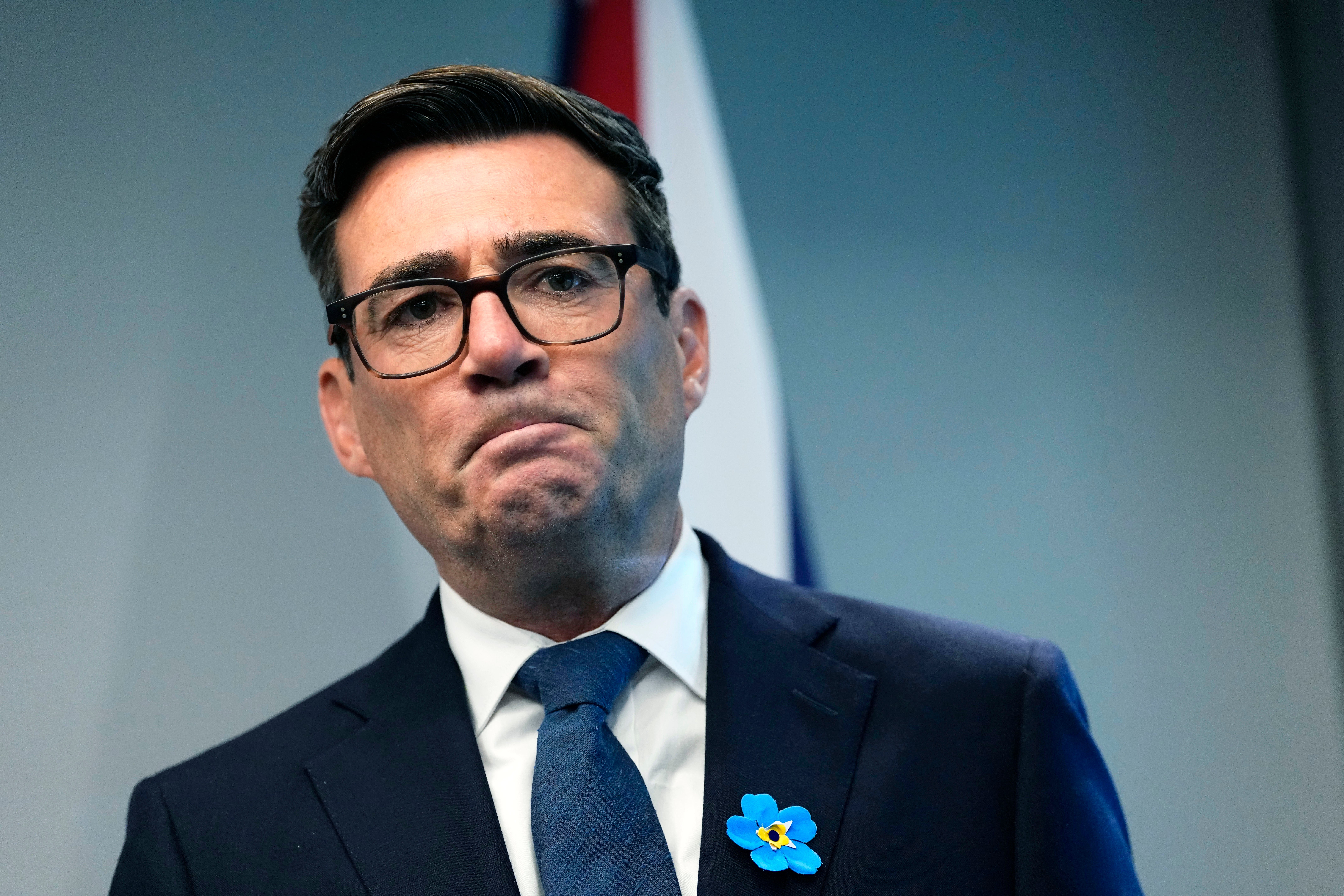
The warnings, published on Thursday, arrive as Andy Burnham’s Government faces intense pressure to explain how the UK will meet its Nato target of spending 3.5% of gross domestic product on core defence by 2035.
Ministers have currently budgeted to raise defence spend to 2.7% of GDP by 2027.
KioskNews shows a cleaned-up reading view extracted from the publisher’s page — the original always lives on their site, not ours.