Rare serow spotted on Khao Chang Phueak in Kanchanaburi
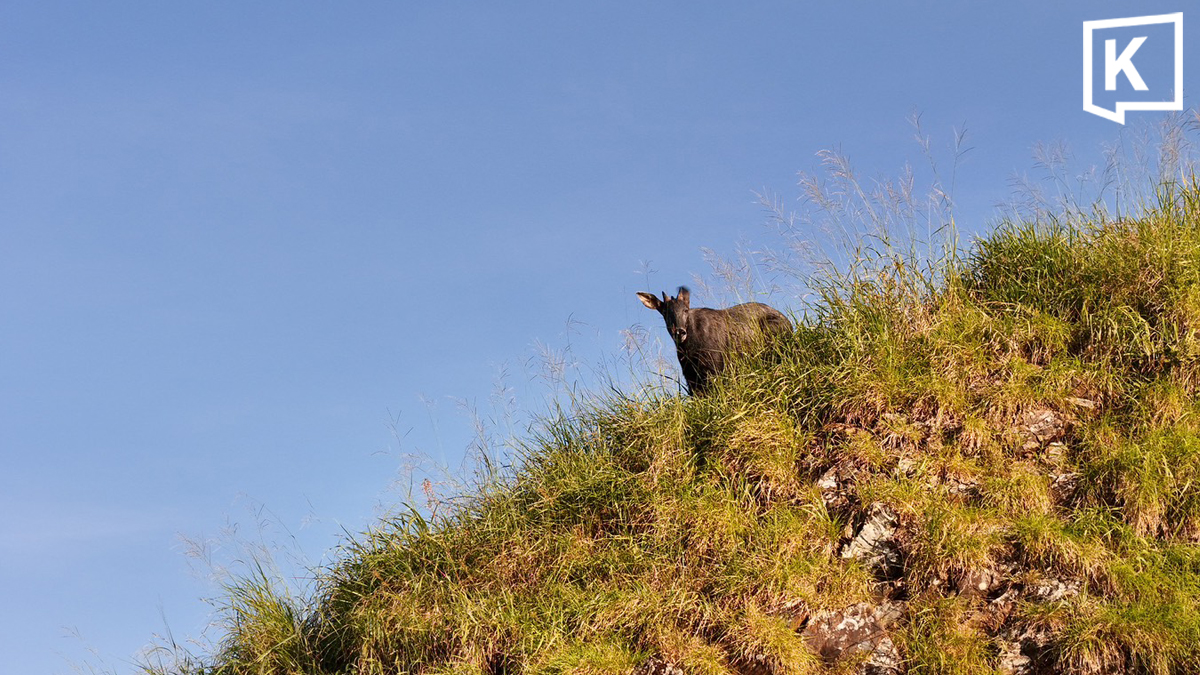
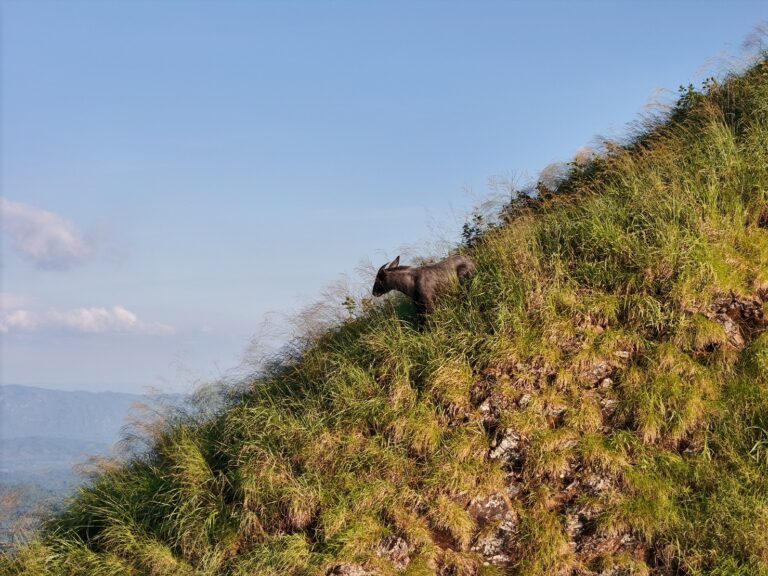
KANCHANABURI — 19 November 2026, a rare serow, one of Thailand’s protected wildlife species, was photographed standing on a steep cliff at Khao Chang Phueak in Thong Pha Phum National Park, offering a rare glimpse of the elusive mountain-dwelling animal.
Rachan Buatree, director of Protected Areas Regional Office 3 (Ban Pong), released photographs of the serow after encountering it during an early morning inspection visit to the mountain in Thong Pha Phum district.
Rachan and his team had travelled to the area to monitor park operations and spent the night on Khao Chang Phueak before spotting the animal on a rocky cliff.
The sighting impressed the officials, who described it as an encouraging sign for wildlife conservation in the Western Forest Complex.
Rare encounter on a steep mountain cliff
Rachan said serows are solitary and highly cautious animals, making close encounters uncommon.
He said the animal was seen foraging and standing on the steep mountainside, where it appeared undisturbed by the surrounding environment.
According to Rachan, the sighting suggested that the area continued to provide suitable habitat for wildlife.
He attributed the park’s conservation efforts to the work of forest rangers conducting regular SMART Patrol operations to prevent illegal hunting, wildlife trafficking and other forest-related offences.
However, a single sighting does not independently establish the overall health of the ecosystem or the size of the local serow population.
Meet the ‘king of the cliffs’
The serow, locally known as liang pha or yueang, is a goat-antelope adapted to living on steep, rocky mountain slopes.
Known scientifically as Capricornis sumatraensis, the animal is distinguished by its dark grey or black coat, a pale mane extending from the neck towards the back, white markings around the cheeks and chin, and a pair of slightly backward-curving horns in both males and females.
Its strong legs and specialised hooves allow it to navigate steep limestone cliffs and rocky terrain.
Serows generally live alone in mountainous forests and are most active during the early morning and late afternoon.
Their diet includes leaves, young shoots, grass and bamboo shoots. They may also visit mineral licks to obtain essential nutrients.
The species is classified as Vulnerable on the IUCN Red List and is listed as a reserved wild animal under Thailand’s Wild Animal Conservation and Protection Act B.E. 2562 (2019).
International trade in the species is also regulated under the Convention on International Trade in Endangered Species of Wild Fauna and Flora (CITES).
Park authorities pledge continued protection
The Department of National Parks, Wildlife and Plant Conservation, through Protected Areas Regional Office 3 and Thong Pha Phum National Park, said it would continue strengthening wildlife protection measures.
These include regular SMART Patrol operations and cooperation with communities surrounding the forest to monitor threats to rare species.
Officials said the efforts aim to protect biodiversity and preserve wildlife habitats across Thailand’s western forests.
KioskNews shows a cleaned-up reading view extracted from the publisher’s page — the original always lives on their site, not ours.