‘Double standard’: Business groups urge ATO to reverse its credit card ban
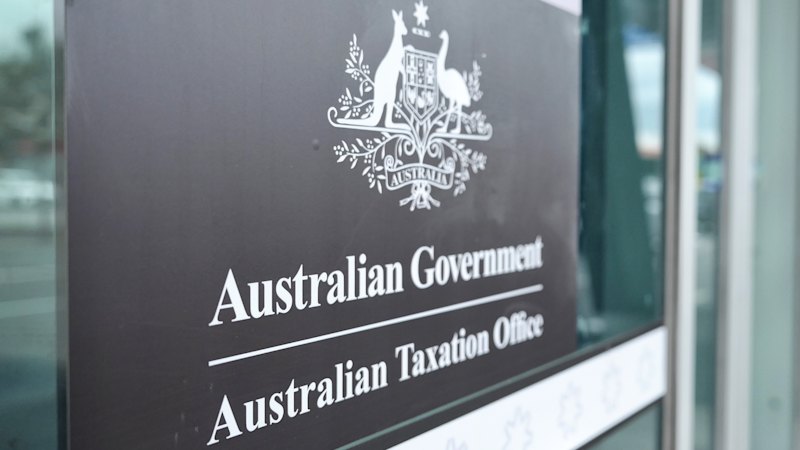
The business community is stepping up its calls on the tax office to rethink its abrupt decision to stop accepting credit card payments, warning that entrepreneurs and smaller businesses that need cash flow flexibility will be hit the hardest.
The Australian Taxation Office (ATO) convened a meeting with business lobby groups on Wednesday after an outcry over its move to scrap credit cards as a payment method from the end of November – a change it announced on October 1 as a national ban on credit card surcharges came into effect.
The surcharge ban, which is estimated to save consumers about $1.6 billion annually, was introduced by the Reserve Bank as part of a sweeping overhaul of Australia’s payment systems. The reforms also include a lower cap on “interchange fees,” which merchants pay to a customer’s bank to accept their card transaction.
Various parts of the economy have scrambled to prepare for the changes over the past six months. Retailers and restaurants have warned they would have to absorb extra transaction processing costs, and be forced to raise menu and product prices accordingly.
The ATO insisted the change would not affect most taxpayers, with only 2.3 per cent of tax payments in the 2024 financial year made through a credit card. The agency said the majority of these were made by high net-worth individuals or major organisations.
However, the business community criticised the short notice period provided and said the looming deadline has left many operators in the lurch, especially those on payment plans who had intended to rely on the flexibility of credit cards to manage their cashflow during down periods of the year.
Frustration was so high that the ATO held another meeting with members of the stewardship group on Wednesday morning.
Andrew McKellar, chief executive of the Australian Chamber of Commerce and Industry, was in Tuesday’s meeting and said his group had been leading a push to reverse the ATO’s credit card ban.
“We are very concerned about the impact it will have on hundreds of thousands of small businesses across the country,” he said, adding that ATO’s decision showed “a clear double standard”.
“Government is telling small business to absorb the hit from the surcharge ban and its cost, while the Tax Office is saying a different set of rules applies to it,” he said, urging the ATO and the government to “go back to the drawing board”.
“Small business is the backbone of the economy. They are doing it tough, with rising costs and a fourth interest rate increase last week,” McKellar said. “It is clear the ATO should listen to small business and reverse this credit card ban.”
The Council of Small Business Organisations Australia, which is also a member of the ATO’s stewardship group, said it had also raised concerns about the impact of the decision during the talks.
“Particularly for small businesses that use credit cards as a cash flow management tool, [COSBOA] believes the decision warrants a rethink,” the organisation said in a statement.
An ATO spokesman said that Wednesday’s “out of session meeting” with small business lobby groups was held “to answer follow-up questions and work through implementation and transitional arrangements for affected taxpayers”.
Treasurer Jim Chalmers and Assistant Minister for Treasury Andrew Leigh declined to comment.
The Market Recap newsletter is a wrap of the day’s trading. Get it each weekday afternoon.
KioskNews shows a cleaned-up reading view extracted from the publisher’s page — the original always lives on their site, not ours.