Bar Association urges proxy cap, electronic voting to curb building bid-rigging
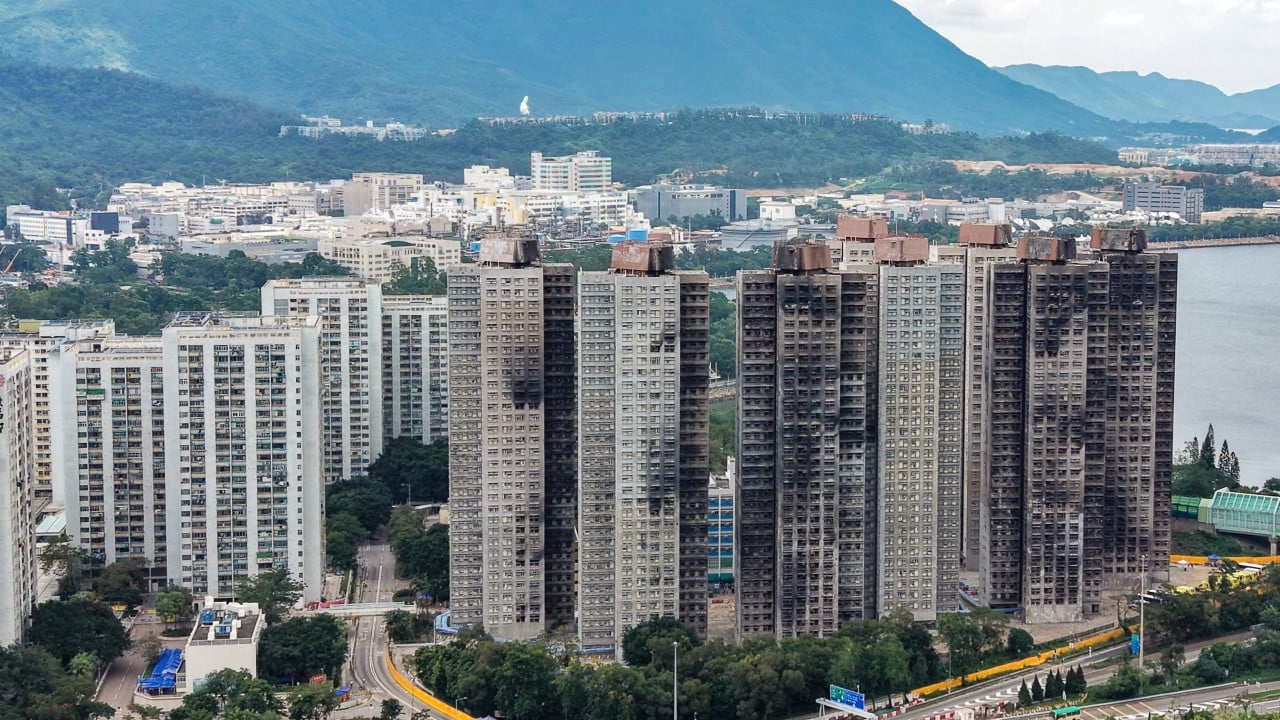
The Hong Kong Bar Association has suggested capping the number of proxies a person can hold at homeowners’ meetings, without restricting who may act as a proxy, stressing that improving transparency and introducing an electronic voting system could help to deter abuse in large-scale maintenance procurement.
Speaking to the South China Morning Post, association chairman Jose-Antonio Maurellet expressed reservations about a government proposal to restrict an owner’s representative to a relative or another owner in the same estate to minimise external interference in building management affairs.
“Proxy right is a right which is derived from private ownership. So, we think it might be a little bit too onerous to say you can only proxy to these two classes of people,” he said.
“We tend to think a better approach, perhaps, is to increase the level of transparency.”
These suggestions formed part of the association’s submission on the government’s proposal to amend the Building Management Ordinance, prompted by the fire at the Wang Fuk Court housing estate, which killed 168 people and displaced about 5,000.
The independent inquiry investigating the inferno exposed alleged systemic bid-rigging and anticompetitive behaviour at the estate, where a HK$336 million (US$43.1 million) renovation project was under way at the time of the tragedy.
Maurellet said possible ways to increase transparency included requiring proxies to be lodged 96 hours in advance and displaying proxy arrangements in the building podium 48 hours before the meeting.
The association, the professional body for the city’s barristers, suggested that property management companies could examine signatures, conduct random audit calls on a proportion of proxy holders, launch a review of irregularities or even report cases to police.
Although past corruption investigations had shown that property management firms could play a role in bid-rigging, Maurellet said: “The question is not what is perfect, but within the existing structure that people can actually afford in real life, who are the possible contestants?
“We think that property management companies probably, at the first instance, are the best gatekeepers for the time being.”
He also proposed setting up an electronic voting platform, which could help reduce the number of proxies.
“The beauty of this is that you really cut out the proxy, you cut out the middleman, because you can vote yourself … Hopefully, that will increase the degree of participation and the voting [turnout],” he said.
Authorities have suggested that a person may only hold one proxy in buildings with 50 flats or fewer. In buildings with more than 50 flats, a person may be allowed to hold 20 proxies, or less than 2 per cent of the total number of flats, whichever is lower.
While surveyors and some politicians had reservations about the ceiling, the association’s submission deemed a statutory cap an “appropriate and proportionate safeguard” and could address the concern of “undue concentration of voting power”.
Maurellet added that the proxy ceiling could be devised on a sliding scale based on contract value, but procurements of large-scale building maintenance and those with high values and related to safety should adopt stringent arrangements.
Another proposed amendment floated by the government is higher attendance requirements and voting thresholds for decisions on large-scale and high-value maintenance procurement at incorporated owners’ meetings.
Under a proposed three-tier system, projects in the highest tier – those worth more than HK$120,000 per flat – would require 20 per cent of owners to attend the meeting, while 10 per cent or 200 owners would need to vote in person.
The other two tiers, for projects worth HK$30,000 or HK$80,000 per flat, would have lower quorum and in-person voting thresholds.
While supporting the proposed tiered system, the association suggested that an affected owner or interested party should also be able to seek directions from the Lands Tribunal to avoid paralysing the decision-making process.
02:48
Wang Fuk Court residents hope people ‘learn lessons’ as hearing ends
Maurellet said the government should also give the tribunal more power to address exceptional circumstances related to owners’ corporation meetings. The court had said that it had no jurisdiction to modify statutory rules when the administrator of Wang Fuk Court applied to postpone a meeting requested by owners.
The association also proposed giving authorities greater power to intervene when the management committee of an owners’ corporation was dysfunctional.
For example, authorities should be able to intervene if a committee refused to convene a meeting requested by at least 5 per cent of the owners, or repeatedly failed to comply with safety notices.
Maurellet also expressed hope that the government would consider giving individual owners the right to apply to the Lands Tribunal if an incorporated owners’ committee unreasonably refused to take enforcement action on a safety-critical breach of the deed of mutual covenant.
The deed of mutual covenant is a binding legal document setting out a building’s management rules.
Maurellet said he hoped the proposal would encourage incorporated owners to take their duties more seriously.
He said he believed such reforms might require more funding and resources for the Lands Tribunal, but noted that it should be “manageable”.
KioskNews shows a cleaned-up reading view extracted from the publisher’s page — the original always lives on their site, not ours.