Washington’s unending vendetta against Cuba
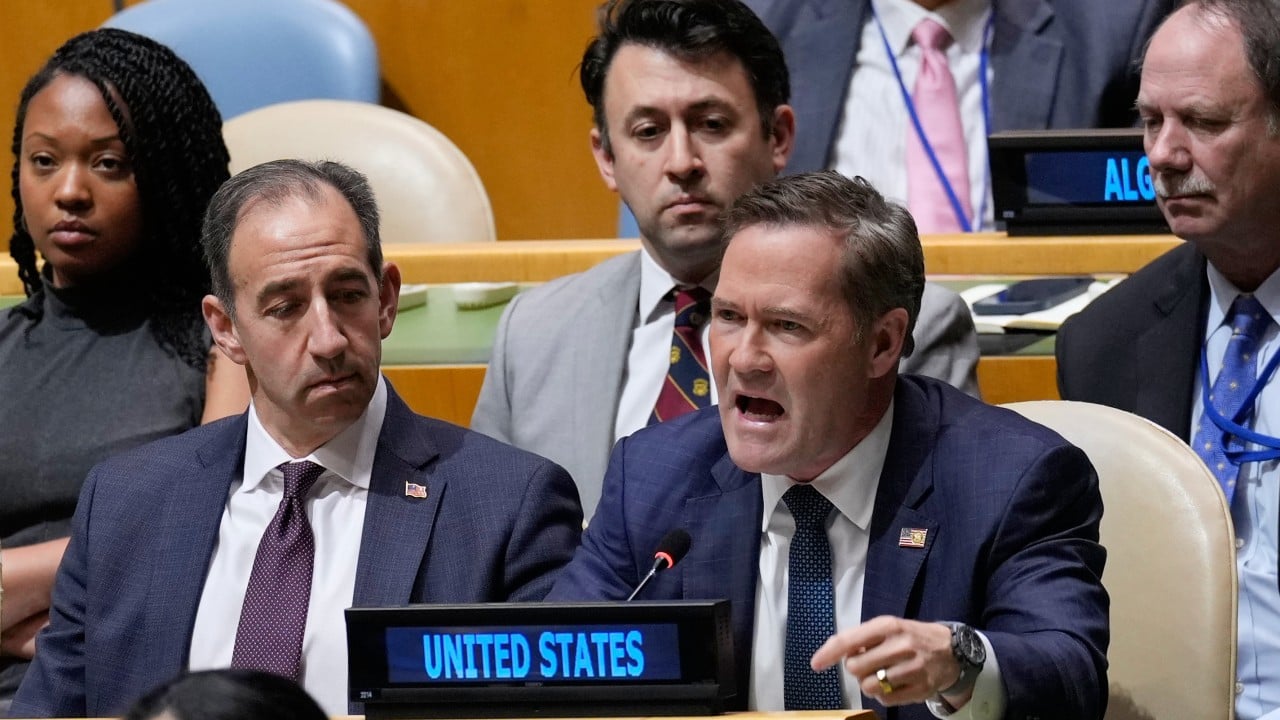
Last week, the United Nations General Assembly called for the 34th time for an end to the US embargo on Cuba. The resolution passed by 130 votes to 17, with 25 abstentions. It came as Cuba struggles with a severe energy crisis, mainly caused by a US fuel embargo, imposed after the abduction of Venezuela’s president to New York.
The energy blockade is only the latest of America’s crimes against the Cuban people. Sergio Vigoa de la Uz, Cuba’s ambassador to Namibia, laid out the human costs of US energy and economic restrictions in a recent article. The harm shows up in hours without power – in schools, hospitals and businesses; postponed medical treatment and disrupted utility services; and rising infant mortality rates.
The article cites a Cuban government submission to the UN secretary general, according to which roughly 1,400 megawatts of generating capacity – about a third of demand – could not be used at the end of May because there was no fuel. Some communities have gone without power for more than 30 hours at a stretch.
Cuban government estimates put losses linked to the blockade at US$8.08 billion between March 2025 and February 2026, with tourism, food and energy hit hardest. Thirty-four international banks have suspended Cuba-related transactions for fear of US sanctions, and more than 7,000 containers are stranded in ports across the Caribbean and Central America.
The World Health Organization and the UN human rights chief have raised similar concerns, as has the African Union in approving multiple resolutions opposing the blockade.
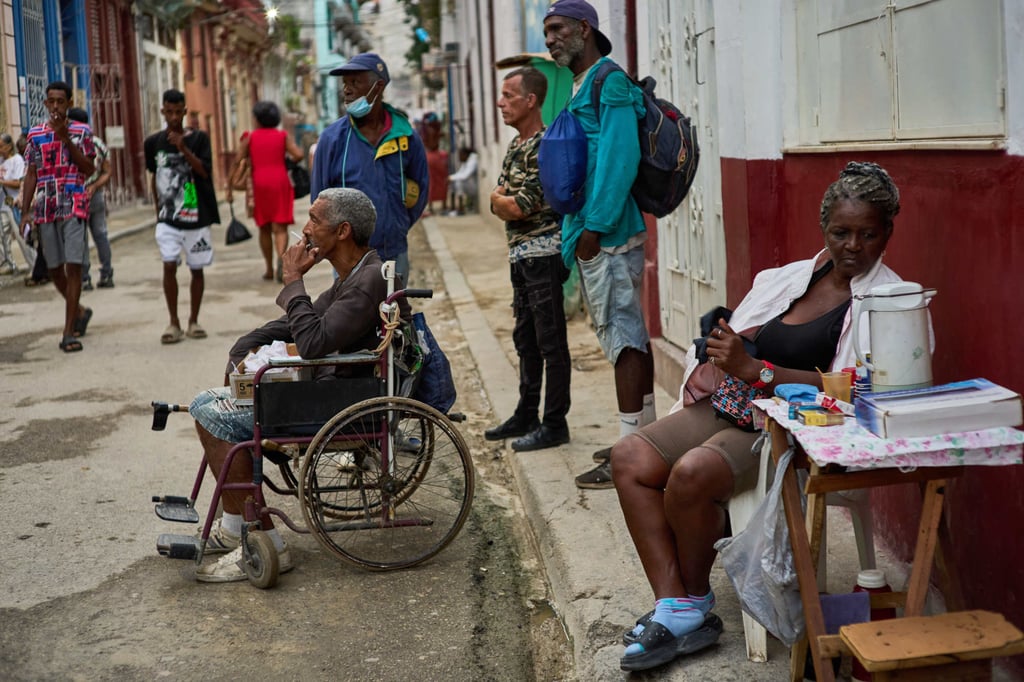
To understand how Cuba got here, it helps to look back. The Cuban Revolution was sparked by the brutal dictatorship of Fulgencio Batista. In 1952, Batista seized power in a military coup. He overthrew the democratically elected president, Carlos Prío Socarrás, and cancelled the elections that had been scheduled. His regime relied on secret police, censorship, torture and violent crackdowns to silence political opponents and dissidents.
Havana fell under the sway of government corruption and American mafia syndicates that ran gambling and prostitution on a vast scale. Much of Cuba’s economy, land and sugar industry was foreign-owned, mostly by US interests. The result was severe rural poverty and widespread public anger.
Washington moved quickly to embrace the new dictator and formally recognised Batista’s government. Batista had pledged to protect private capital, honour Cuba’s international obligations and oppose communism. Through the early and middle 1950s, the US government, together with American business and mafia interests, gave his anti-communist regime military and economic support.
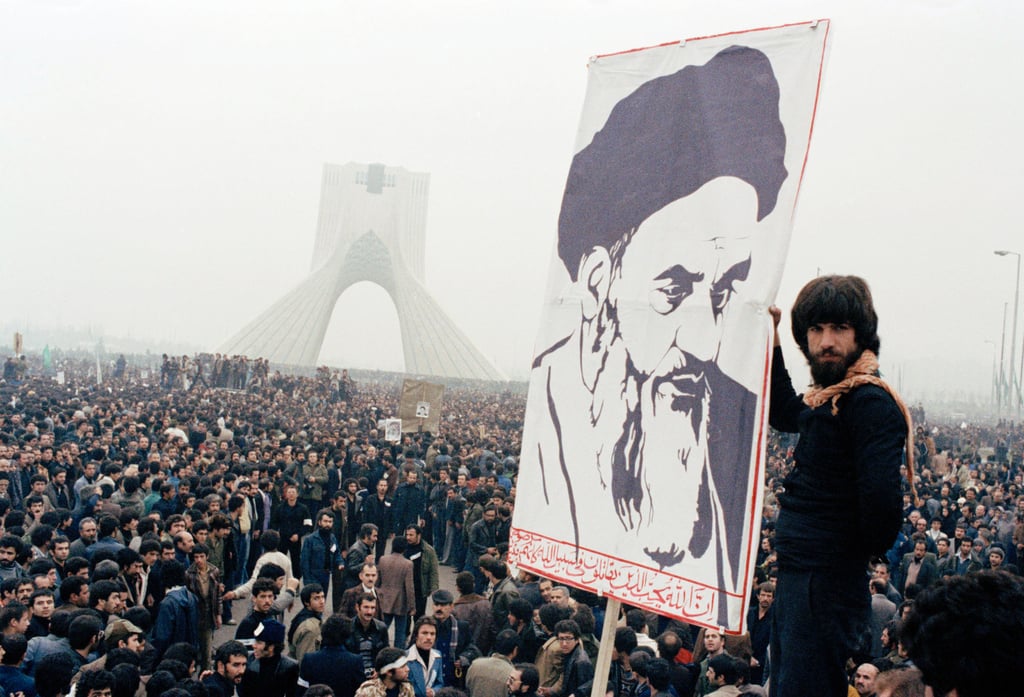
Cuba was not an exception. In August 1953, about 17 months after Batista’s coup, the CIA engineered the overthrow of Iran’s democratically elected prime minister, Mohammad Mosaddegh, and installed the dictatorial rule of the Shah. That in time led to the Iranian Revolution. By then, Washington’s habit of subversion abroad was long established.
In 1936, in Nicaragua, General Anastasio Somoza García used the US-trained National Guard to stage a coup against the democratically elected president, Juan Bautista Sacasa, who was his uncle by marriage. That created another US-allied dictatorship and it, too, was eventually overthrown, in the Nicaraguan Revolution.
In each of these cases, once the dictator fell, the US quickly denounced and isolated the country and punished its people for decades, all the while claiming the moral high ground of promoting democracy. Targeted countries are often cut off from the world economy, thus precluding sustained economic development. Post-1949 China, in fact, suffered the same fate, until the Mao-Nixon rapprochement.
In 1960, Belgian and American intelligence services backed the coup against the Congo’s democratically elected, left-leaning prime minister, Patrice Lumumba. His brutal assassination followed, and with it began a cycle of dictatorship, corruption and chaos that continues today.
During the Cuban missile crisis, John F. Kennedy was willing to risk the annihilation not only of Cuba but the world with a nuclear confrontation with Soviet Russia. The US was the first to install nuclear weapons in Turkey aimed at the Soviets, who responded with their own in Cuba.
00:58
Trump vows to ‘take’ Cuba as island reels from total power cut linked to oil embargo
For Cuba, the pattern of aggression and subversion continues today. In 2021, the US State Department put Cuba back on its list of state sponsors of terrorism. The designation has cut Cuba off from humanitarian aid, business, investment and trade. In his second term, President Donald Trump has set out a national security strategy that seeks to revive the Monroe Doctrine, declaring the whole western hemisphere a US sphere of influence.
Then there is Guantanamo Bay. The US military base there has been kept in defiance of the decades-long protest of the Cuban government, which regards the occupation as a violation of its sovereignty under international law.
It can be argued that America’s “war on terror” would have done less damage without the systematic torture and other human rights abuses, the indefinite detentions and the deep psychological trauma associated with the military prison on Cuban soil. Ironically, that prison was built specifically so that detainees could be held indefinitely, beyond the protection of both American and international law.
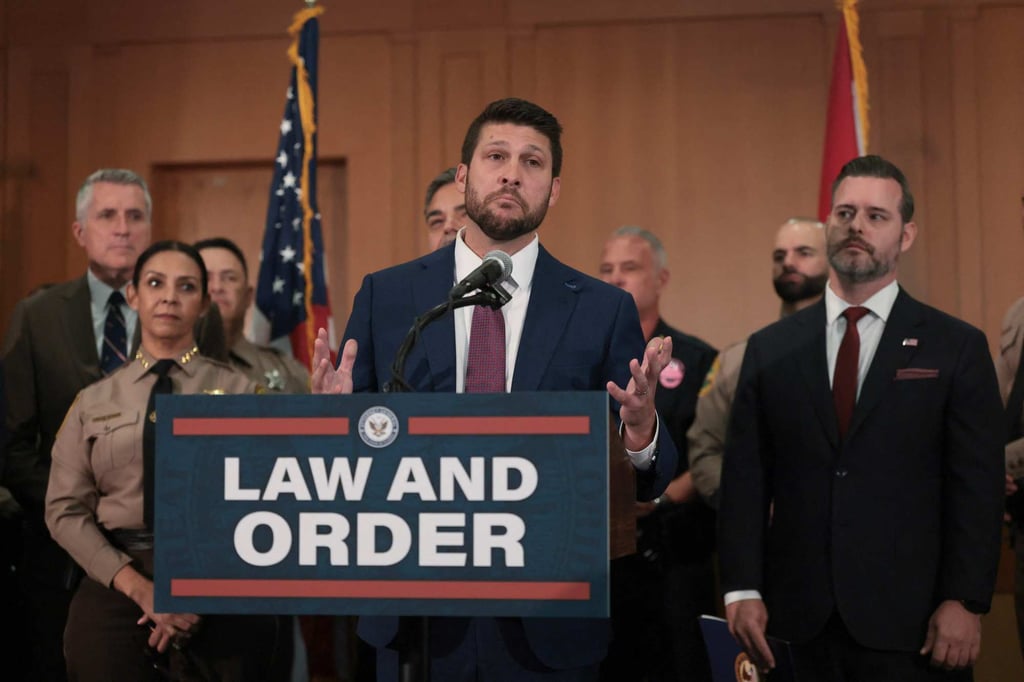
Pressure is now being applied through the courts as well. Late last month, China condemned an arrest warrant issued in the US state of Florida for former Cuban president Raul Castro over the downing of two civilian planes in 1996. Beijing accused the United States of using the courts to pressure Havana.
Foreign ministry spokeswoman Mao Ning called the 95-year-old Cuban leader “comrade Raul Castro”, a “venerated” leader held in high international esteem. She said China opposed the “abuse of judicial measures to pressure Cuba”, and she called on the US to “immediately stop its blockade and any other form of coercion and pressure against Cuba”.
The scale of American lawlessness, then and now, is staggering. Its destructive legacy, from Iran to Cuba, continues to destabilise the world today.
KioskNews shows a cleaned-up reading view extracted from the publisher’s page — the original always lives on their site, not ours.