Biodiseño MX at the Franz Mayer Museum explores more-than-human design
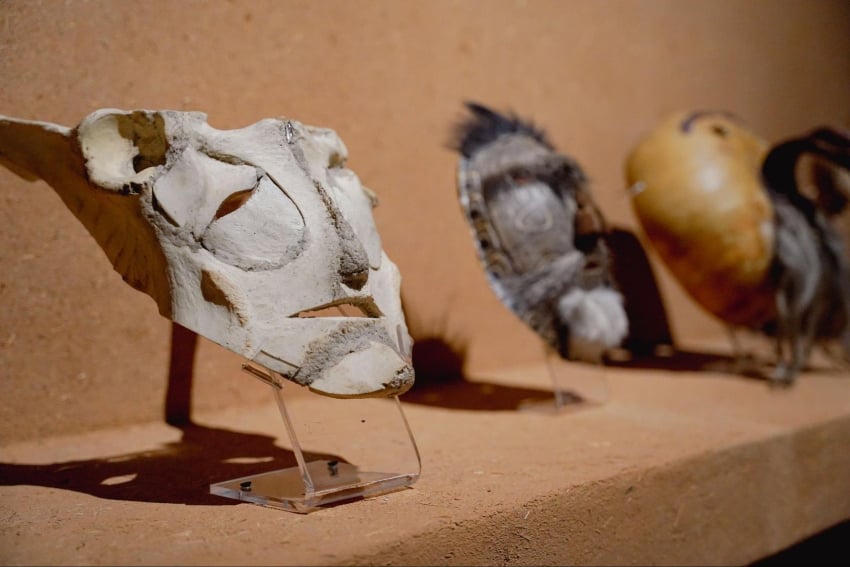
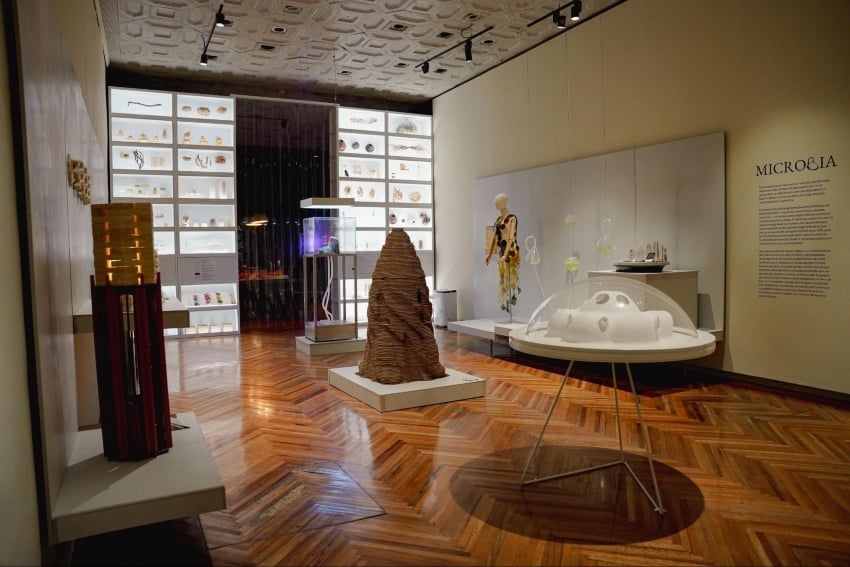
When visitors enter the “Biodiseño MX” exhibition at the Franz Mayer Museum, earthen tones and other elements evoke the feeling of “entering an ecosystem.” Later, the exhibition transforms from its earthy finishes as color and light shift toward white, creating the atmosphere of a laboratory.
The exhibition’s power is reflected not only in this juxtaposition, but can also be seen in the curated design pieces, spanning popular art and practices rooted in ancestral knowledge to technological innovations, such as 3D-printed memorial reefs made from human ashes.
Curated by Taina Campos, “Biodiseño MX” brings together more than 60 creatives who explore design from a more-than-human perspective — in “collaboration with and for nature.”
What is biodesign?
Design is the creative approach to solving a problem. But since the Industrial Revolution, designers have been put at the service of the market, argues Campos. The Mexico-based designer and curator explains that biodesign is a fundamental shift in current design practice from an anthropocentric approach toward a symbiotic worldview, where nature is not only exploited for resources but integrated into the design process.
In interdependence with flora, fauna, microbes and fungi, and drawing from bio-inspiration, design pieces at the exhibition explore a world beyond anthropocentrism.
More-than-human design
Although symbiotic, biodesign is still susceptible to human ideas and needs. Campos acknowledges that, when approaching biodesign from an anthropocentric perspective, the tendency to create objects that cater to human needs persists.
But although a substantial part of the exhibition is centered around objects for human life — like tableware made from eggshells — certain pieces explore a more-than-human design.

Museo del Juguete Antiguo Mexico: A toy wonderland in Mexico City
The “Memorial Reef” by the U.K.-based company Resting Reef consists of 3D-printed artificial reef structures made from human ashes and calcium carbonate. According to Resting Reef, introducing those phosphorus-rich sculptures to underwater sites is meant to nourish marine communities. This project adds another question to biodesign: How can biodesign move toward regeneration?
The exhibition’s juxtaposition
The exhibition juxtaposes biodesign for functional objects like biofashion with pieces that help restore marine ecosystems or create oxygen.
“Jardín lacustre” by Mariana Paredes and Molecular Lab takes microalgae from Lake Texcoco and feeds them carbon dioxide from Mexico City’s polluted air. Through photosynthesis, these algae produce oxygen, escalating biodesign from a utilitarian need to a question of ecological survival.
The pieces of popular art made by Indigenous peoples of the Global South reflect an understanding that nature is “intrinsic to us,” while contrasting with technological innovation abundant throughout the exhibition.
Design as a revolution
When speaking about Campos’ motivation for biodesign, she mentions that design has an impact on how we understand the world through objects, systems and everyday applications. Biodesign is not only a design practice but another way to see the world.
“For me, biodesign is the language or practice — the material expression of design — that can lead us toward this other pursuit of design,” she explains. “It is no longer only about solving human problems or making beautiful products to sell; it is about generating another understanding of the world.”
She cites Arturo Escobar’s “Designs for the Pluriverse:” “Design designs worlds, and the worlds it designs design us back.”
“Biodiseño MX” is on display at the Franz Mayer Museum until Oct. 25, 2026.
KioskNews shows a cleaned-up reading view extracted from the publisher’s page — the original always lives on their site, not ours.