HBO's 6-Part 'The IT Crowd Meets The Social Network' Tech Sitcom Has A Near-Perfect Ending

Ben Sherlock is a Tomatometer-approved film and TV critic who runs the massively underrated YouTube channel I Got Touched at the Cinema. Before working at Screen Rant, Ben wrote for Game Rant, Taste of Cinema, Comic Book Resources, and BabbleTop. He's also an indie filmmaker, a standup comedian, and an alumnus of the School of Rock.
After David Fincher and Aaron Sorkin had mythologized the world of Big Tech in The Social Network, Mike Judge and Alec Berg brought it back down to Earth in Silicon Valley. Silicon Valley has the same basic setup as The Social Network — an awkward genius stumbles into a billion-dollar idea, and suddenly the claws come out — but with the authentic nerdiness and pitch-perfect comic timing of The I.T. Crowd.
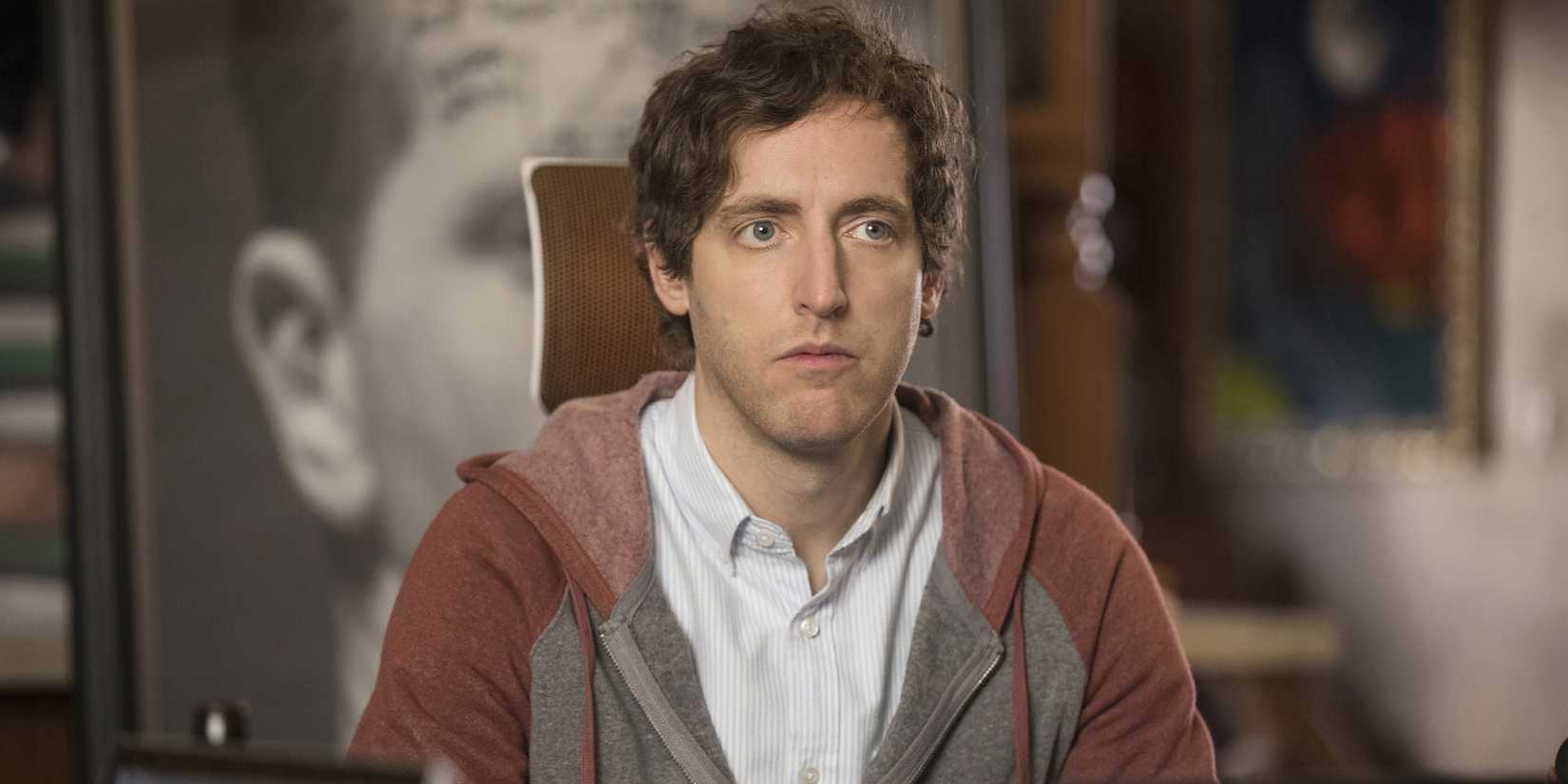
Silicon Valley stars Thomas Middleditch as Richard Hendricks, a socially inept but brilliant coder whose game-changing compression algorithm sparks a bidding war around town. While Richard knows exactly what he’s doing on the engineering side, he finds himself hopelessly unprepared for the cutthroat business side. As he’s circled by ruthless investors and shameless copycats and spiteful billionaires filing frivolous lawsuits, poor, naive Richard finds himself way out of his depth.
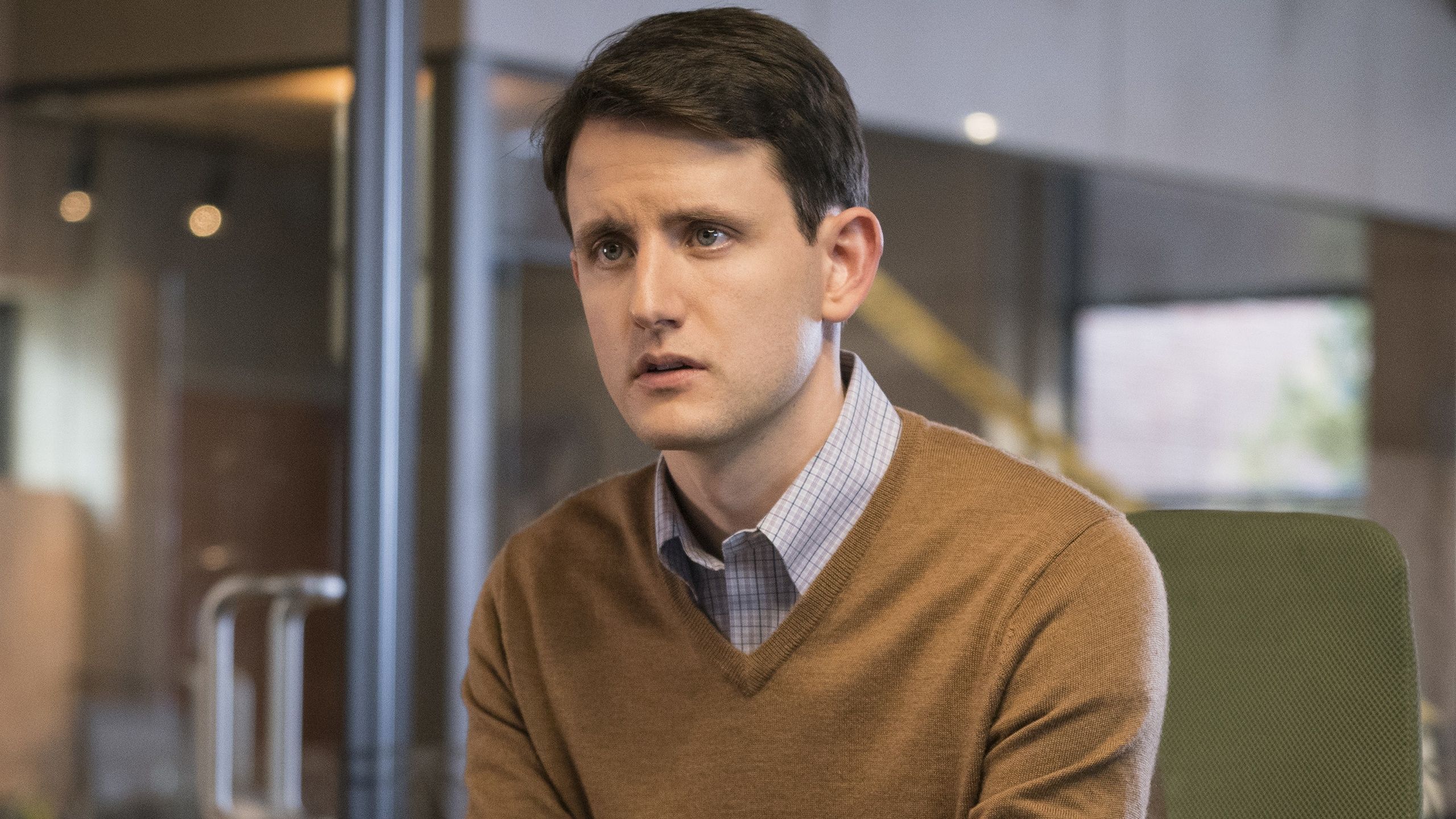
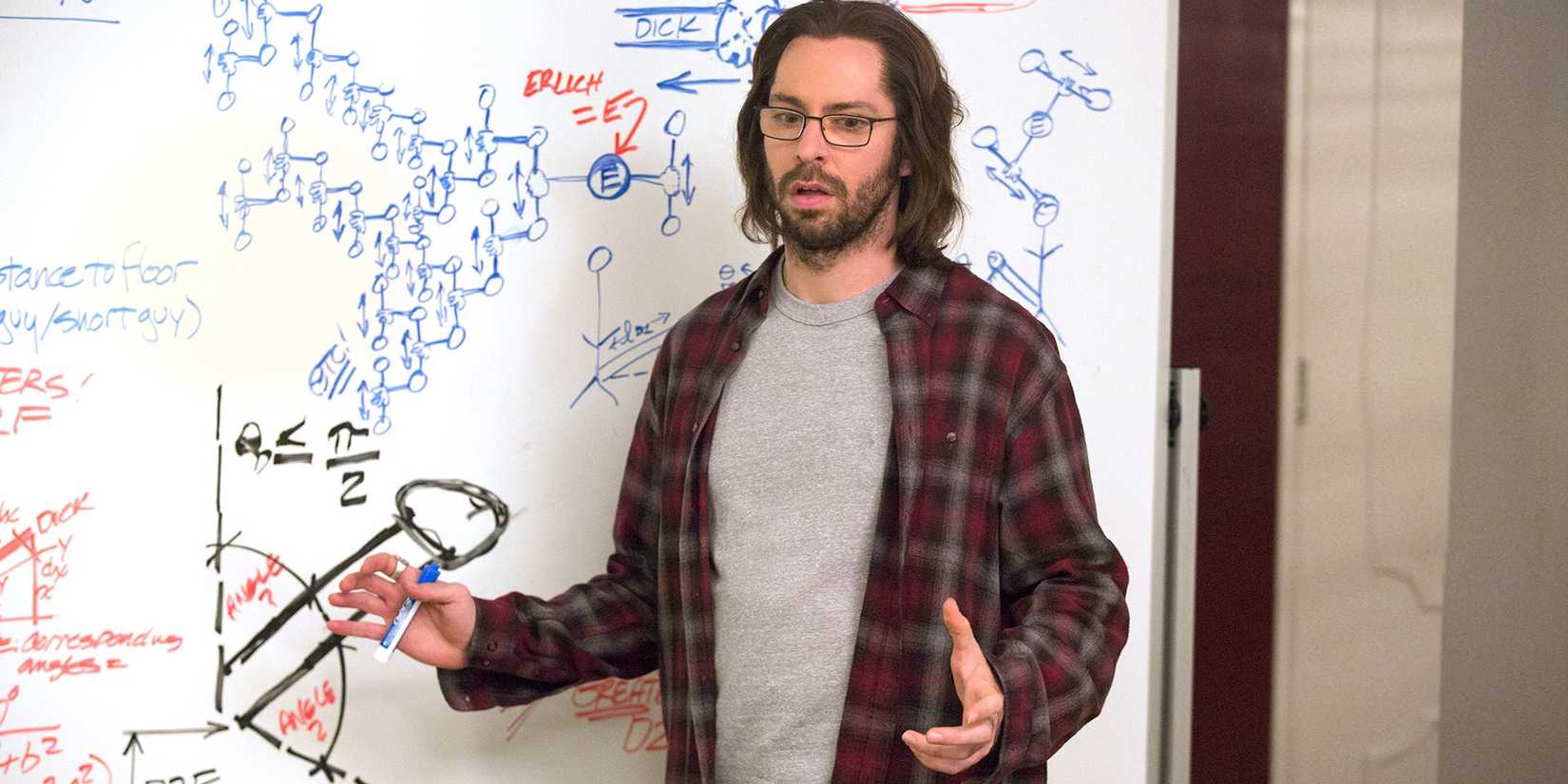
Backing him up are his unwaveringly loyal BizDev guy Jared, his perpetually pot-addled investor Erlich, and his bickering programmers Dinesh and Gilfoyle. Silicon Valley satisfies as a sitcom — that five-piece ensemble is one of the strongest in TV history — but it’s also an epic saga about the rise and fall of an empire, and a spot-on satire of the tech industry.
It’s extremely rare that a sitcom gets a satisfying ending. Usually, the network keeps a hit comedy on the air for so long that it loses all its best characters by the time it finally ends, like The Office or Two and a Half Men. Since sitcoms were never meant to end, it’s almost impossible to give them a good ending. Seinfeld, Roseanne, How I Met Your Mother — all great sitcoms with terrible endings.
But Silicon Valley, unlike most sitcoms, was building to something from the beginning. The series begins with Richard realizing the potential of what he’s created, so the series had to end with the algorithm reaching that potential. Silicon Valley’s series finale provided the perfect punchline for the show’s grand, elaborate joke. After years of failing over and over again, the Pied Piper team suddenly found themselves in a position where the most ethical thing to do was fail on purpose. It put a beautiful, bittersweet button on the series, and it was way ahead of the curve in its anti-A.I. stance.
The only downside is that Silicon Valley lost its funniest cast member — T.J. Miller, who played the aforementioned Erlich — after season 4. The show was still great in seasons 5 and 6, but it felt like there was something missing, like a cheeseburger without the cheese.
Silicon Valley Is One Of HBO's Most Hilarious Comedies
Silicon Valley is a searing satire of Big Tech, lampooning petty billionaires and ineffective tech and ensh*ttification and the absurdity of startup founders who claim to be disruptors and innovators, then turn around and make an app that gives you a digital mustache. A lot of Silicon Valley’s humor — particularly through the character of billionaire Hooli founder Gavin Belson, a hilarious avatar for every delusional, out-of-touch tech bro from Elon Musk to Mark Zuckerberg — is even more relevant today than when the show first aired.
But it’s not just a satire of the tech world; if you ignore all that commentary, Silicon Valley is still one of the best sitcoms ever made. It’s chock full of great character dynamics, like Erlich’s neverending feud with evil mastermind Jian Yang, and hilarious running gags, like Jared’s trauma-dumping and Gavin’s incessant use of live animals to make points in board meetings. What Mike Judge did for the dull, fluorescent-lit corporate dystopia of the late ‘90s in Office Space, he did for the tech giants of the 21st century in Silicon Valley.
KioskNews shows a cleaned-up reading view extracted from the publisher’s page — the original always lives on their site, not ours.