10 Most Intense World War 2 Movies That Are Hard To Rewatch
World War II movies can be thrilling, inspiring, and even entertaining, but the most powerful examples of the genre often leave audiences emotionally exhausted. When filmmakers confront the Holocaust, the destruction of civilian populations, and the horrifying consequences of war, the resulting films can be so devastating that watching them once feels like more than enough.
Unlike conventional war movies, which frequently build toward heroic victories or triumphant homecomings, these films refuse to make suffering comfortable. Soldiers starve in abandoned landscapes, children struggle to survive without their parents, and ordinary people discover just how much cruelty human beings can inflict on one another.
Several recreate historical atrocities with unflinching realism, while others use haunting imagery, unsettling sound design, or intimate personal stories to make the unimaginable feel painfully immediate. These movies are particularly difficult to revisit because their most disturbing moments rarely end when the scene does.
The following movies approach World War II from different countries, perspectives, and cinematic traditions. They demonstrate how cinema can confront humanity's darkest moments – and why certain films are almost impossible to watch twice.
Come And See (1985)

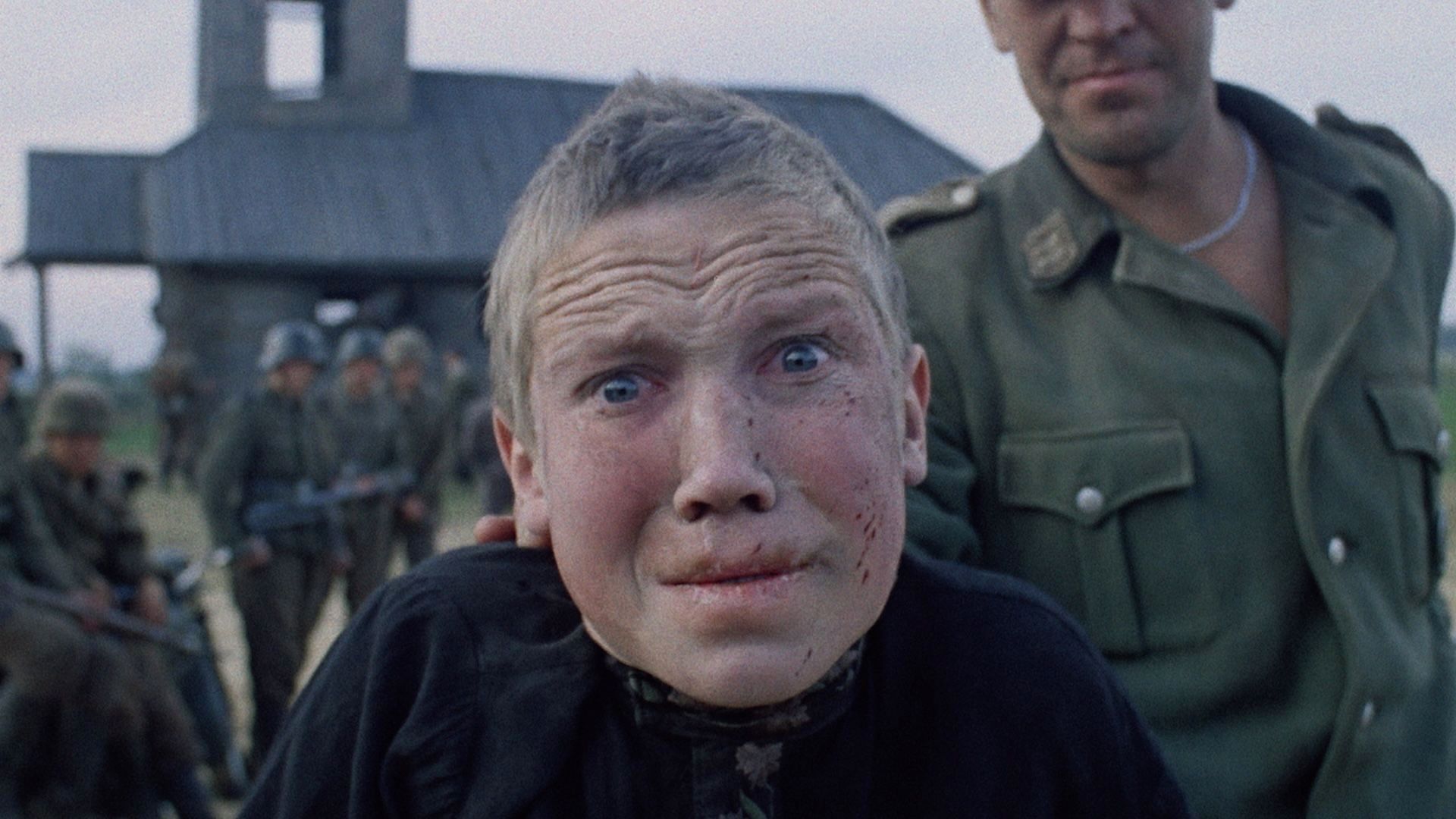
Elem Klimov's Soviet antiwar masterpiece Come and See follows Flyora (Alexei Kravchenko), a Belarusian teenager who joins the resistance against Nazi occupation, imagining that fighting will bring adventure and glory. Instead, he witnesses the destruction of his community as German forces carry out brutal reprisals against civilians.
Klimov keeps the camera close to Flyora's face as youthful excitement gives way to terror and psychological devastation. Explosions, gunfire, and distorted voices make the world feel increasingly incomprehensible, as though the teenager is losing his ability to process what he sees.
The massacre of villagers is particularly agonizing because the victims are ordinary people trapped by armed men who consider their lives worthless. There is no heroic rescue or reassuring escape. Flyora's transformation feels painfully real, making Come and See an almost unbearable portrait of childhood destroyed by war.
Grave Of The Fireflies (1988)
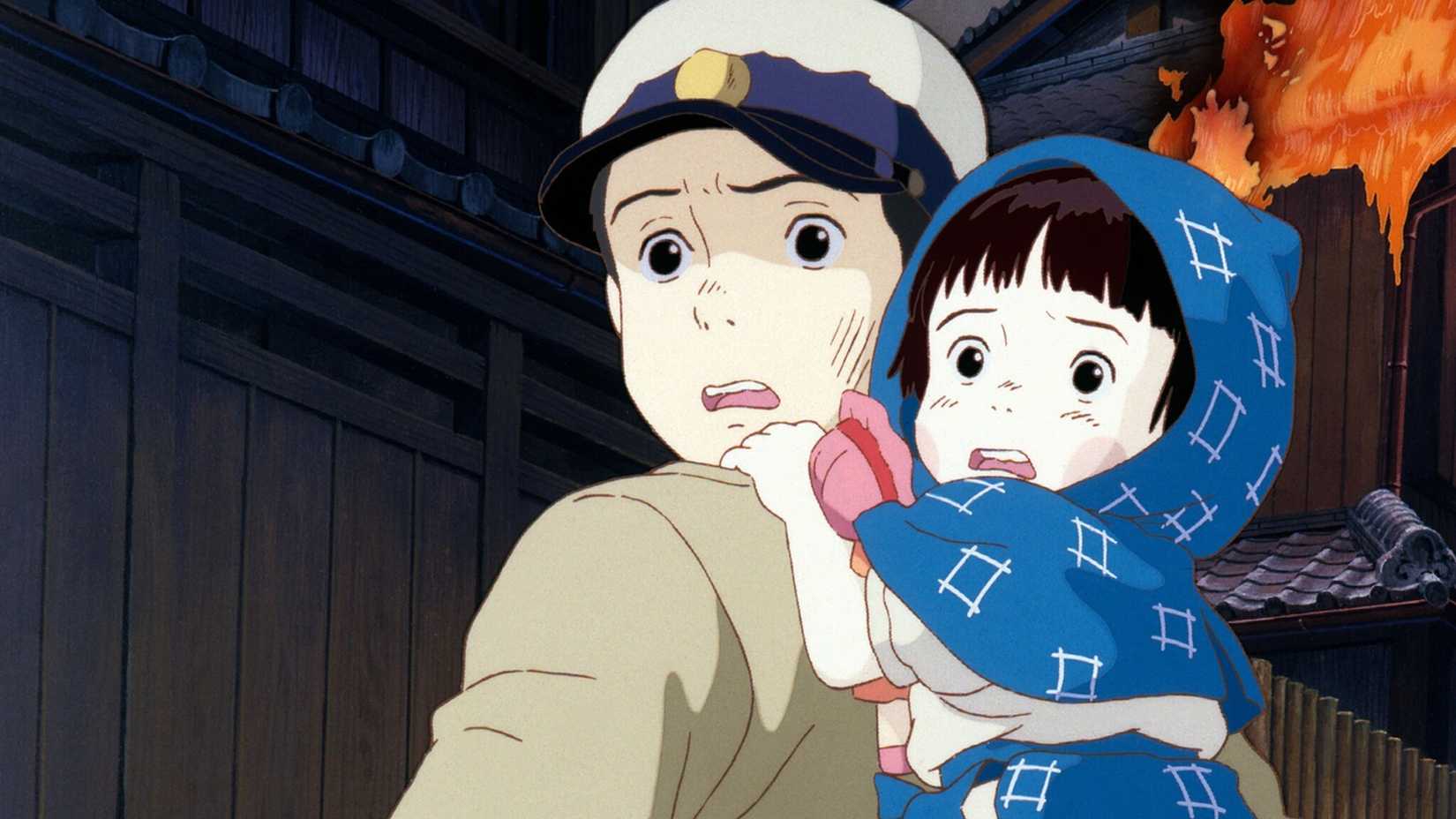
Isao Takahata's animated Grave of the Fireflies depicts Seita and his younger sister, Setsuko, after American firebombing devastates their Japanese city and separates them from their mother. With their father serving in the Japanese Navy, the children struggle to survive without reliable shelter, food, or adult support.
Animation makes the tragedy even more affecting. Setsuko's expressive innocence, games, and curiosity remind viewers that she should be enjoying childhood rather than worrying about her next meal. Seita tries to protect her, maintaining a cheerful façade even as he struggles to find enough food.
Watching Setsuko grow weaker while her brother desperately searches for something to feed her is heartbreaking. There is no enemy to defeat or daring mission that can restore their lives. Their suffering comes from deprivation and society's failure to protect them.
The Boy In The Striped Pajamas (2008)

Mark Herman's adaptation of John Boyne's novel depicts Bruno (Asa Butterfield), the young son of a Nazi commandant who moves with his family beside a concentration camp. Lonely and curious, Bruno befriends Shmuel (Jack Scanlon), a Jewish boy imprisoned on the other side of the fence, without understanding the horrors surrounding him.
Their friendship creates painful dramatic irony: Bruno sees another lonely child, while audiences understand the machinery of persecution threatening Shmuel. The devastating ending finds Bruno entering the camp to help his friend search for his father, with both boys caught in a group of prisoners being taken to their deaths.
The Boy in the Striped Pajamas has faced criticism from Holocaust educators for historical inaccuracies that risk misleading viewers about Auschwitz. Regardless, the heartbreaking ending is endlessly depressing.
Fires On The Plain (1959)

Kon Ichikawa's Fires On The Plain depicts Private Tamura (Eiji Funakoshi), a tuberculosis-stricken soldier abandoned during Japan's disastrous campaign in the Philippines. Rejected by a military hospital, he wanders through a devastated landscape populated by starving soldiers and dying civilians.
Fires on the Plain strips war of familiar heroics. Tamura isn't pursuing victory; he is desperately trying to stay alive in a world where even fellow soldiers regard him as a burden. Stark black-and-white photography makes the landscape feel drained of life, while the characters' skeletal appearances reveal the physical consequences of starvation.
The most disturbing scenes in Fires on the Plain concern cannibalism, as desperation erodes the moral boundaries separating survival from unimaginable cruelty. Ichikawa refuses to present these acts as simple shocks, instead showing how hunger and social collapse can transform human behavior.
The Zone Of Interest (2023)

Jonathan Glazer's The Zone Of Interest depicts Auschwitz commandant Rudolf Höss (Christian Friedel), his wife Hedwig (Sandra Hüller), and their children living beside the concentration camp. While the family tends its garden and enjoys domestic comforts, mass murder continues beyond the walls.
Glazer rarely shows the atrocities directly. Instead, gunshots, screams, barking dogs, and machinery intrude upon apparently ordinary routines. This contrast is more disturbing than many explicit depictions of violence because the family behaves as though the suffering nearby is irrelevant.
Their comfortable existence depends on persecution, yet they deliberately ignore its human consequences. However, The Zone Of Interest's extraordinary sound design makes these unseen horrors impossible to forget. The family's disturbing banality is the point, demonstrating how atrocity can coexist with everyday life when people refuse to acknowledge the suffering around them.
Son Of Saul (2015)

Hungarian drama Son of Saul follows Saul Ausländer (Géza Röhrig), a Jewish prisoner forced to work in the Sonderkommando at Auschwitz-Birkenau. When he discovers the body of a boy he believes to be his son, Saul becomes determined to find a rabbi and arrange a proper burial.
Son of Saul keeps the camera close to Saul, blurring the surrounding environment while allowing glimpses of violence to intrude at the edges. Commands, screams, machinery, and gunfire create an overwhelming wall of sound, making the audience feel trapped alongside him.
Saul's determination to bury the boy provides a fragile sliver of humanity amid systematic murder. His mission seems almost absurd beside the scale of the atrocity, yet preserving one person's dignity becomes his sole purpose. Winner of the Academy Award for Best Foreign Language Film, Son of Saul makes the Holocaust frighteningly intimate.
The Painted Bird (2019)

Václav Marhoul's adaptation of Jerzy Kosiński's novel follows a Jewish boy (Petr Kotlár) sent away by his parents to escape Nazi persecution. After his foster mother dies, he wanders through rural Eastern Europe, encountering people whose cruelty repeatedly places his life in danger.
Shot in stark black and white, The Painted Bird portrays a countryside where shelter can quickly become another nightmare. The boy experiences beatings, exploitation, and sexual abuse, revealing how prejudice and superstition compound the horrors of wartime persecution.
Its title refers to a bird painted to look different from its flock, only to be attacked when released. The image becomes a brutal metaphor for the boy's experiences of exclusion and violence. Marhoul's unflinching presentation offers little emotional relief, making each rare moment of compassion feel extraordinary.
Schindler's List (1993)
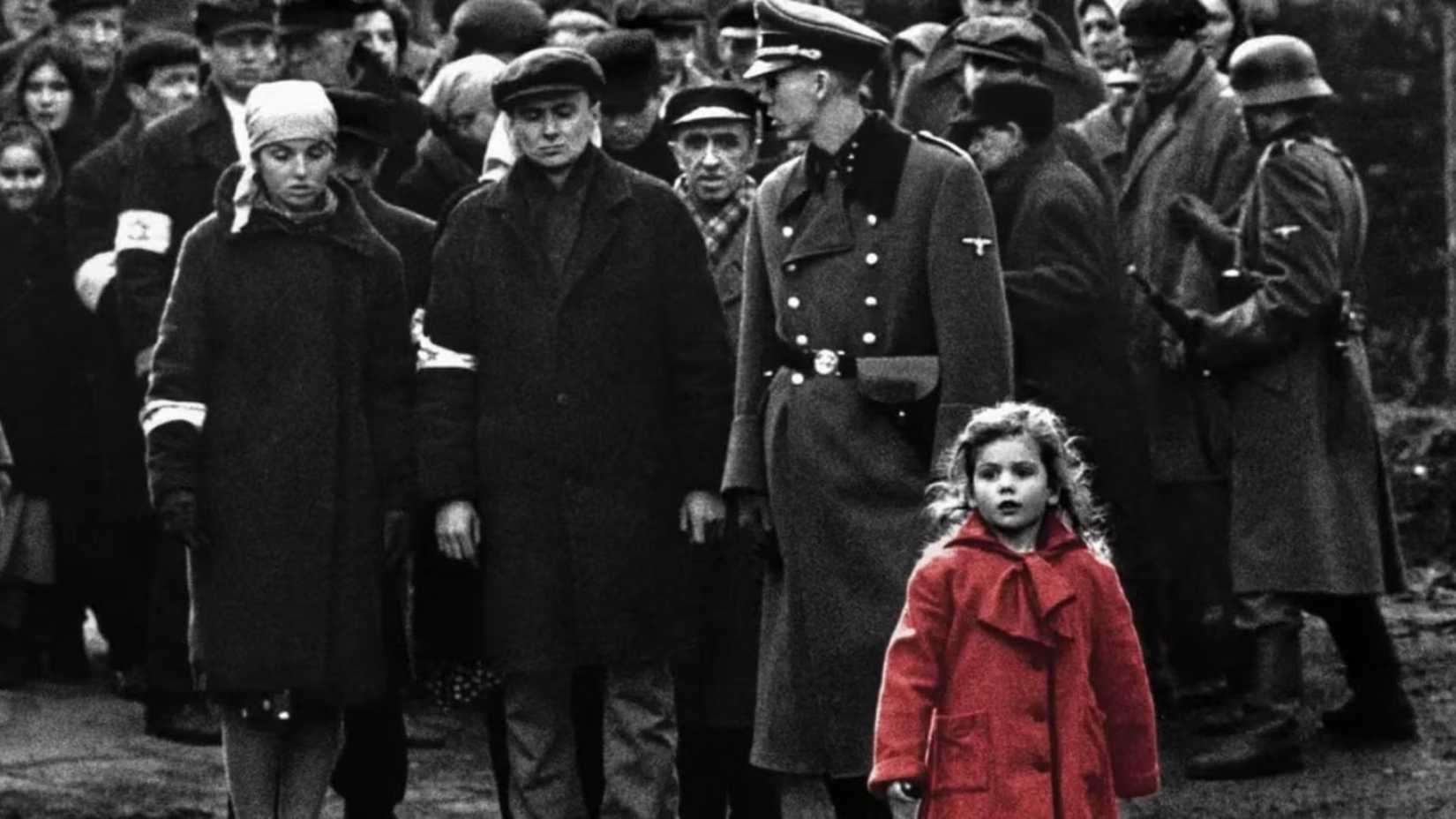
Steven Spielberg's Schindler’s List depicts Oskar Schindler (Liam Neeson), a German industrialist who initially exploits the war for profit before using his wealth and influence to protect Jewish workers from Nazi persecution. His efforts ultimately save more than a thousand people from the Holocaust.
Ralph Fiennes is terrifying as SS officer Amon Göth, whose casual brutality demonstrates how easily murder becomes routine within a system built on dehumanization. The liquidation of the Kraków ghetto is particularly harrowing, following families desperately searching for hiding places as Nazi forces drag residents from buildings and shoot those unable to escape.
The little girl in the red coat gives the immense tragedy a recognisable human face, making the surrounding violence feel devastatingly personal. Schindler's eventual transformation offers hope, but it cannot undo the destruction he witnesses.
Hatred (2016)

Polish drama Hatred, also known as Wołyń, examines the massacres of Polish civilians by Ukrainian nationalists in Volhynia during World War II. Zosia Głowacka (Michalina Łabacz) hopes to build a future with a Ukrainian man, but occupation, family pressures, and escalating ethnic violence shatter her plans.
Hatred's most disturbing element is the transformation of familiar communities into places of terror. Neighbors turn against one another, while political extremism and revenge become excuses for horrific violence against civilians. The countryside offers no refuge as families discover that people they once trusted may threaten their lives.
Hatred depicts the massacres with graphic intensity, refusing to disguise the physical consequences of ethnic hatred. The film addresses a painful chapter of Polish-Ukrainian history and should be understood within that historical context. Hatred is unbearably tragic and impossible to watch a second time.
The Pianist (2002)

Roman Polanski's The Pianist recounts the true story of Władysław Szpilman (Adrien Brody), a Jewish Polish pianist whose life collapses under Nazi occupation. Forced into the Warsaw Ghetto, he witnesses escalating persecution before escaping deportation and hiding in the ruins of the city.
Brody makes Szpilman's ordeal painfully intimate. He isn't a soldier or resistance fighter, but a musician whose talent becomes almost irrelevant as survival takes precedence over everything else. The ghetto sequences depict families separated, civilians beaten, and death becoming an everyday threat.
Later, Szpilman's isolation in abandoned buildings creates a different terror. Every sound risks exposing him, while hunger steadily erodes his strength. The Pianist is devastating because survival feels less like triumph than a lonely struggle to preserve a fragment of oneself. It's a particularly harrowing war movie that is particularly difficult to revisit.

- Release Date
- March 28, 2003
- Runtime
- 150 Minutes
- Director
- Roman Polanski
- Writers
- Ronald Harwood, Wladyslaw Szpilman
KioskNews shows a cleaned-up reading view extracted from the publisher’s page — the original always lives on their site, not ours.