New species identified after expert spotted a picture of it on Instagram
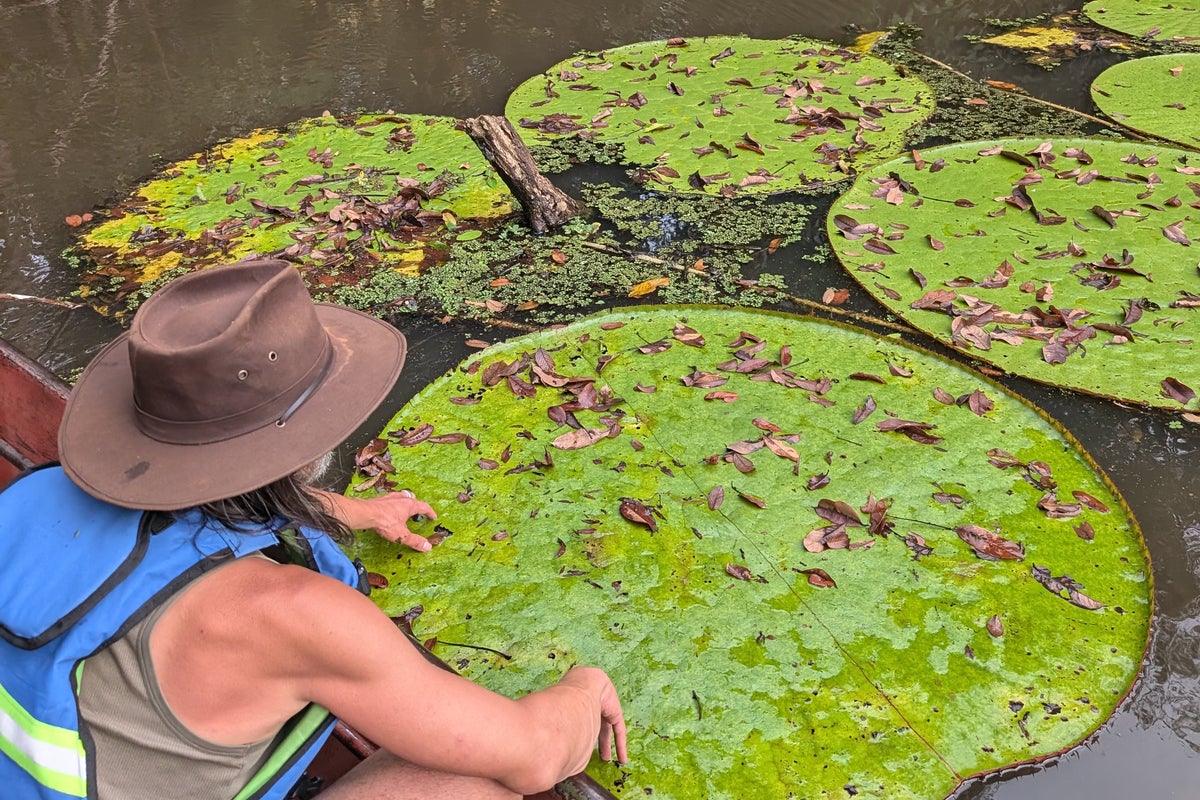
A new giant waterlily species has been identified after one of the world's leading experts came across a photograph of it on Instagram.
But conservationists warn the species is already critically endangered, with an estimated 30 to 50 plants left in the wild.
The new species, which measures up to two metres across, has been named the Colombian giant waterlily, with the scientific name Victoria colombiana.
The journey to formally describe the new species began when waterlily expert Carlos Magdalena spotted photos of it on social media; he then used satellite imagery, the help of indigenous groups and a race-against-time plant hunt by boat in the middle of the night.
The team behind the new species description says searching for new unknown populations using satellite imagery to scan for individual plants is essential, while efforts are already under way to secure its long-term conservation.
These include the possibility of establishing a naturalised population in a more accessible lake within indigenous territory, supporting local ecotourism and providing an additional safeguarded group of plants away from its remote natural habitat.
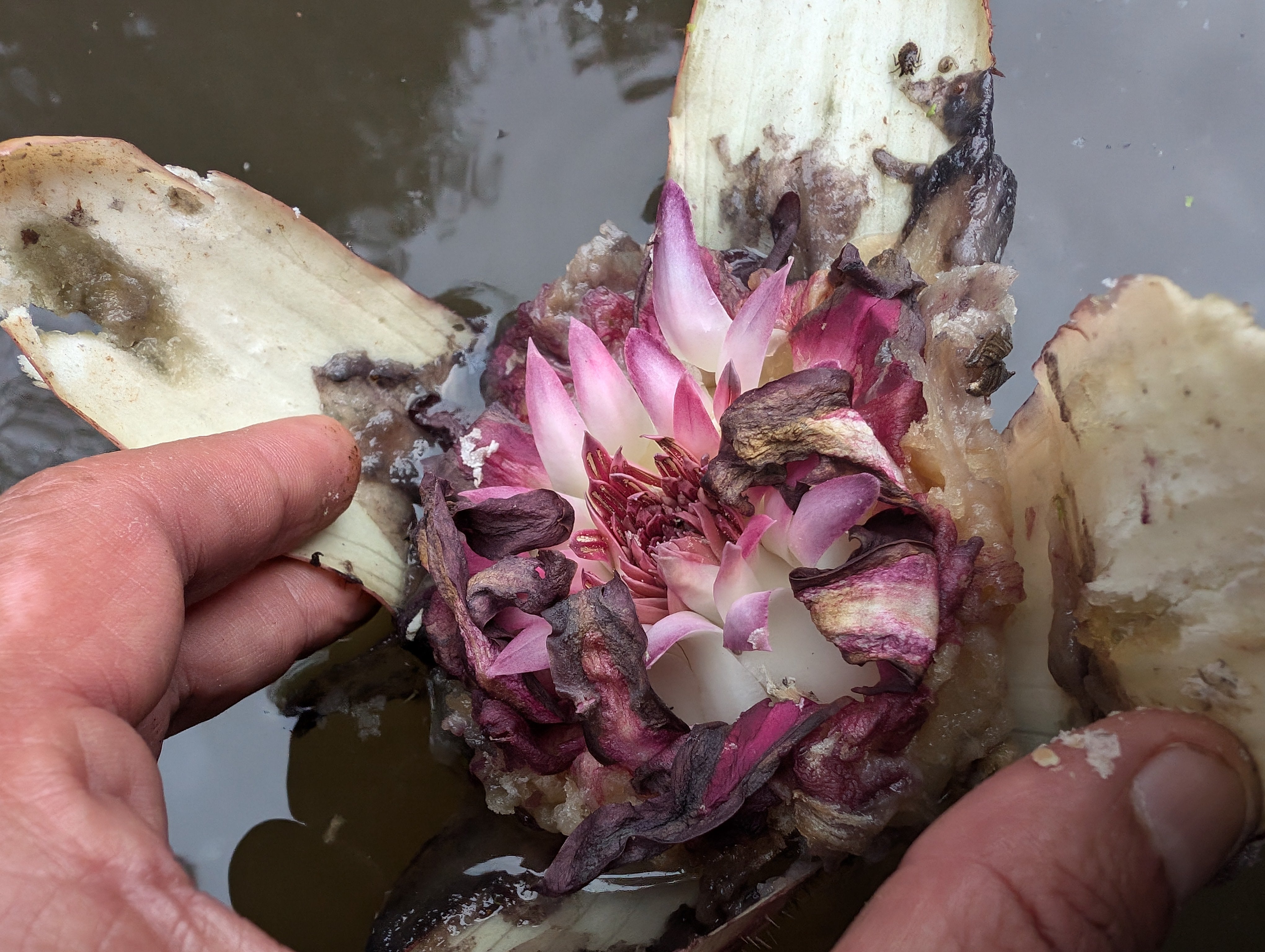
The discovery first began when Mr Magdalena saw the waterlily on Instagram five years ago, in photos taken in Colombia’s Inirida region, by Jeremiah Harris, who runs a carnivorous plant nursery in the US and had thought it was the more common Victoria amazonica.
But as the natural range of known Victoria waterlilies does not extend to the Inirida River, in Guainia, Colombia, Mr Magdalena, a botanical and scientific research horticulturist at the Royal Botanic Gardens, Kew, in London, suspected it could be a new species.
He scanned the satellite imagery in online maps of the Inirida, and spotted several giant waterlily pads from a single plant, with Mr Harris confirming those were the same as those shown to him by local guides.
Mr Magdalena then worked with Mauricio Bernal at the Jardin Botanico de Bogota Jose Celestino Mutis in Bogota, and Nilo Rodriguez, Jaime Hernandez and Gustavo Melo, members of local indigenous reserves, to plan a field trip to the site.
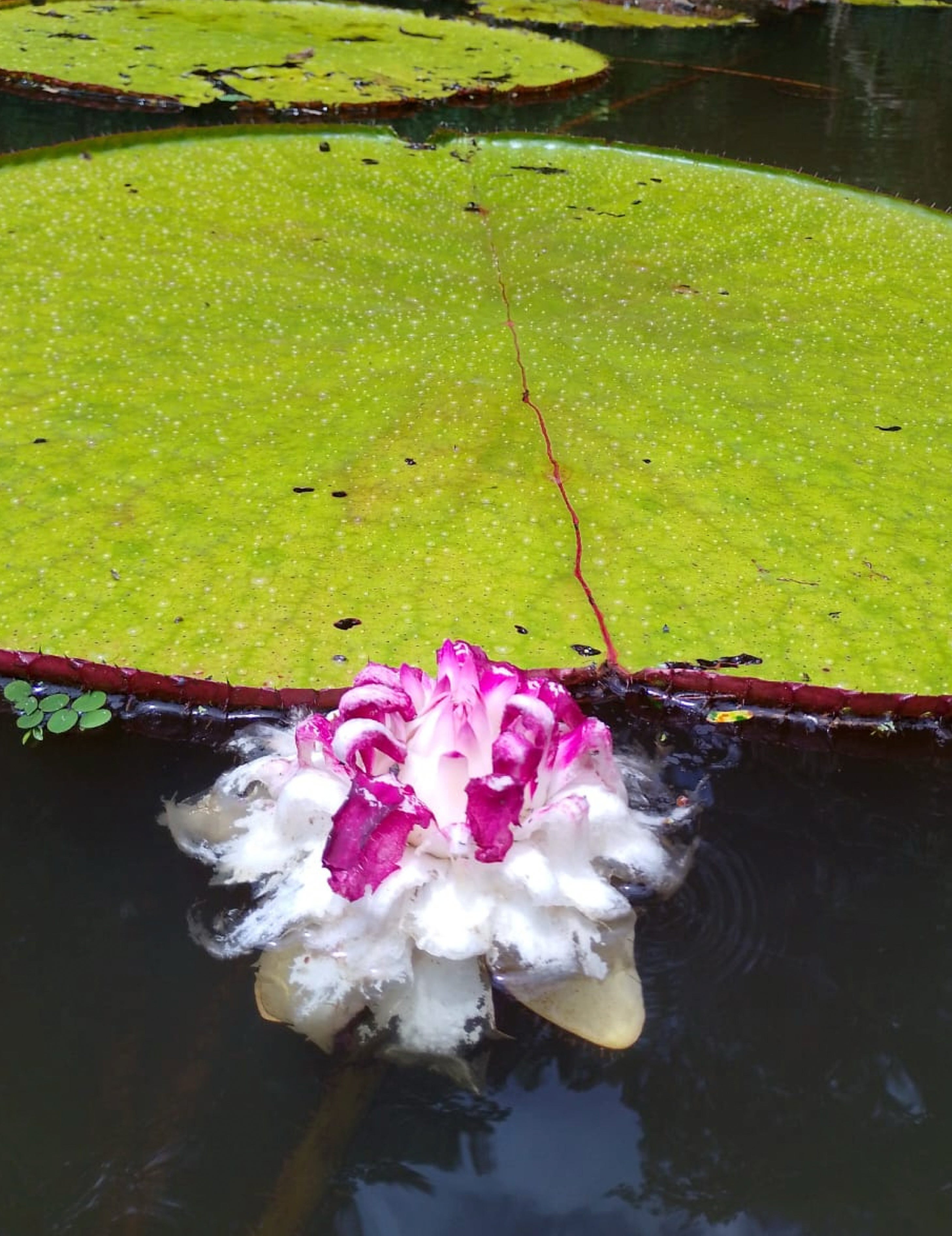
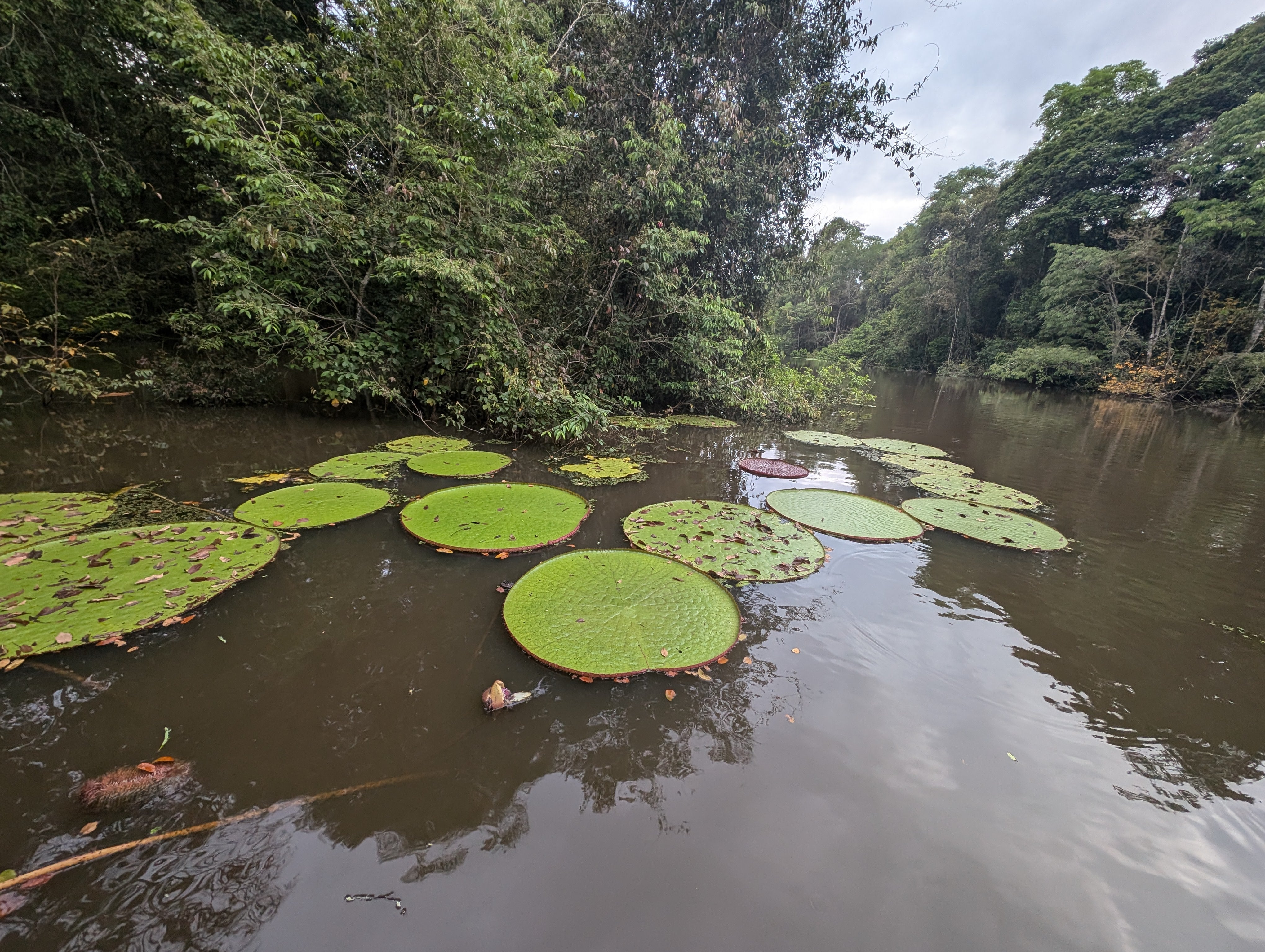
In a five-day trip into Inirida’s rainforest, they located just two individual plants, and neither were in flower – something which is crucial for botanists to create a dried and pressed herbarium specimen to compare with others.
But late in the evening before their 9am flight back to Bogota, Mr Magdalena explained their plight to the expedition’s boatman – Gustavo Melo from the indigenous Tucano community – who said he knew where to find more specimens of the waterlily.
They set off at 1am by boat, travelling deeper into the flooded rainforest and reaching a small lake in the middle of the jungle just before dawn, where they found another population of five of the giant waterlilies, including one in flower.
That gave them the material to begin formally describing the plant new to science – and they made it back to the airport just in time for their flight.
Mr Magdalena said: “This is one of those extraordinary stories where indigenous and horticultural knowledge with the help of social media and technology came together to uncover a truly extraordinary botanical achievement.
“It is also a reminder that nature is still full of surprises and wonder.
“Now that we know this waterlily exists, our responsibility is to understand it better and protect it.
“With so many plants in the wild threatened with extinction, we simply cannot wait any longer to take action.”
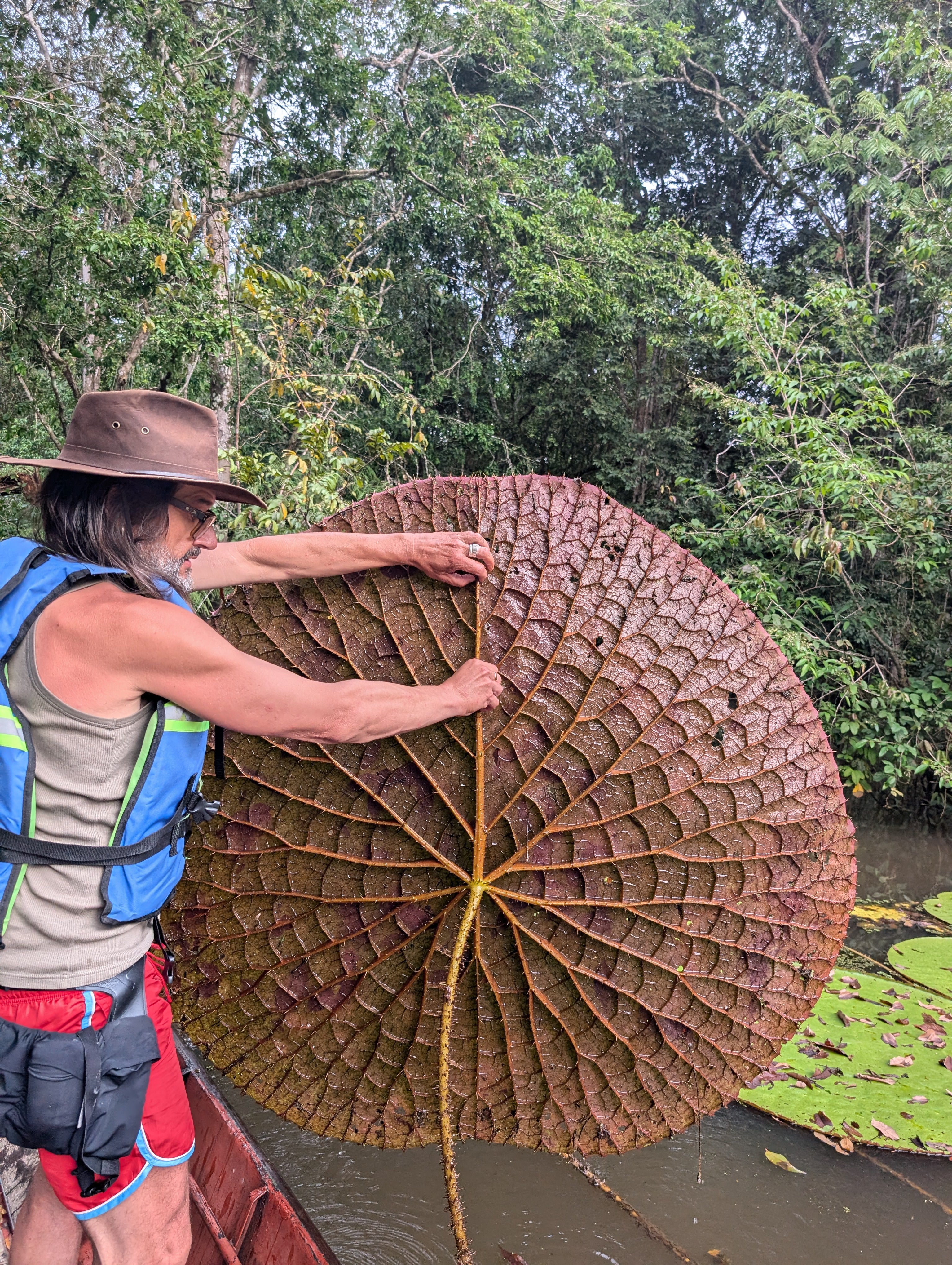
The taxonomical work to describe the new species, published in the journal Phytotaxa, was carried out with the help of plant taxonomist Maarten Christenhusz.
He said: “New species are found all the time, but few are as large, spectacular and emblematic as this one.
“This new giant waterlily can even be seen from space, which is a striking reminder of how much we still don’t know about life on our planet.
“We can only conserve what we know exists, and discoveries like this show why exploring and understanding the natural world is so important.”
Further analysis has found a third lake where the waterlily is present, and comparisons of satellite imagery suggest additional plants may become visible when water levels drop in the dry season – but it is trickier reaching the plants on foot than by boat when the forest is flooded.
Researchers hope to continue efforts to collect seeds, with the aim of cultivating plants in Bogota, and maybe even one day at Kew Gardens alongside its cousins in the Victoria genus, the team said.
KioskNews shows a cleaned-up reading view extracted from the publisher’s page — the original always lives on their site, not ours.