For 50 years we’ve let Woollahra off the hook. It’s time the suburb learnt to share
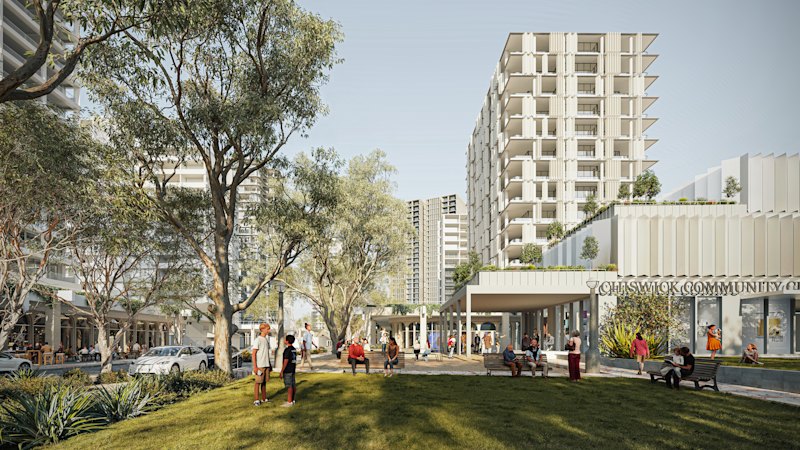
The NSW government’s plan to open Woollahra train station and surround it with almost 10,000 new homes has struck fear into many well-heeled hearts in Sydney’s east. If Chris Minns has his way, my fellow eastern suburbs residents and I will have to share this most beautiful part of this most beautiful city with 20,000 new neighbours.
If this happens, it will be a very good thing. In a city that has nearly doubled in size over the last 50 years, Woollahra’s population has shrunk. By any metric – equity, efficiency or just plain common sense – it is absurd that we have allowed the most attractive parts of Sydney to opt out of growth. With a new train station placing thousands of people just minutes from the city, there is almost no place in the country richer in the things people need to thrive.
But because it is such a great place to live, those who enjoy it already are desperately trying to find ways not to have to share it.
Woollahra Council has plastered its playgrounds with corflutes complaining that there will be no new school built as part of the plan – but Woollahra’s schools are emptying rapidly. Because few families can afford to live here, enrolments at the six primary schools nearest the station have fallen by 25 per cent since 2017. Others fear traffic congestion. But Woollahra is less than five kilometres from the city, with some of the best public transport in the country. We’ve built far more homes in places with worse access to jobs and transport; recently the NSW government announced plans for 13,000 homes at Westmead, 20 kilometres west of the city.
Some have argued that new homes in Woollahra won’t do any good in the fight against the housing crisis because the new units will be expensive. Mayor Sarah Dixson said the plan “sacrifices affordability for housing only available at a premium”.
It’s undeniable that the new homes will be expensive; they’re brand-new apartments in one of the most desirable suburbs in the country. But think about what happens if we don’t build these apartments. That’s 10,000 buyers who can afford multimillion-dollar apartments instead competing with you at auction for the existing housing stock. Do you want to have to outbid someone with $3 million in their pocket? I sure don’t.
Further, when they move into their shiny new apartments, these buyers move out of their old homes, letting others move in. My recent research, published by the e61 Institute, shows that even relatively expensive new homes rapidly free up cheaper homes for younger renters. This mirrors findings from rigorous study after rigorous study showing that all new homes – yes, even expensive ones – help improve housing affordability.
Wealthy NIMBYs and the councillors seeking their votes are trying to dispute this settled evidence, because if we accept that expensive housing doesn’t help the housing crisis, that lets rich areas off the hook from having to plan for new homes. But it is precisely because these areas are expensive that they are the best place to put new homes; they’re expensive because more people want to live there than can currently fit.
Focusing on the price of the newly built homes leads us astray when deciding where homes should go. Just follow this logic – that we should focus new homes where they are cheap – to its natural conclusion. That would lead us to prioritise new homes in the places where housing is cheap because few people want to live there: remote towns, polluted land and areas with poor schools.
Instead, we should let as many people as possible enjoy living a five-minute train ride to work in the city, a five-minute walk to a beer at the Woollahra Hotel, and a five-minute Lime bike to a swim at Murray Rose Pool.
Writing in The Guardian earlier last week, Julianne Schultz argued that rather than building homes in Woollahra, we need to “have a conversation” about growing “congenial satellite cities” and “regional developments that follow a fast rail network”. In other words, more homes in Wollongong and Wagga Wagga, so we don’t have to build as many in Woollahra.
Wollongong and Wagga certainly need more homes, but it’s worth being clear about what proposals for decentralisation actually mean: pushing people to live in places where they will have less opportunity to thrive. Wollongong’s unemployment rate is two-and-a-half times higher than Woollahra’s. Workers who move from the regions to a major city earn almost $10,000 a year more, and Sydney is home to several of the best universities in the world. The benefits of the big city aren’t just economic. Anyone who’s tested the dating market in both Darlinghurst and Dubbo – particularly those who aren’t straight – can tell you there’s no comparison.
Young people flock to big cities because they give us a chance to learn, earn and yearn. When governments back down to NIMBYs like those fighting the Woollahra plan, they sacrifice young people’s future so that a few comfortable, influential incumbents don’t have to put up with change. For 50 years we have done exactly that, letting Woollahra opt out of growth, and Sydney is a poorer place because of it. It’s beyond time that Woollahra learnt to share.
Dominic Behrens is an economist and secretary of grassroots housing advocacy group Sydney YIMBY. He rents in Sydney’s eastern suburbs.
Start the day with a summary of the day’s most important and interesting stories, analysis and insights. Sign up for our Morning Edition newsletter.
KioskNews shows a cleaned-up reading view extracted from the publisher’s page — the original always lives on their site, not ours.