What next for Malaysia’s 133,000 Rohingya after Turkey’s refusal?
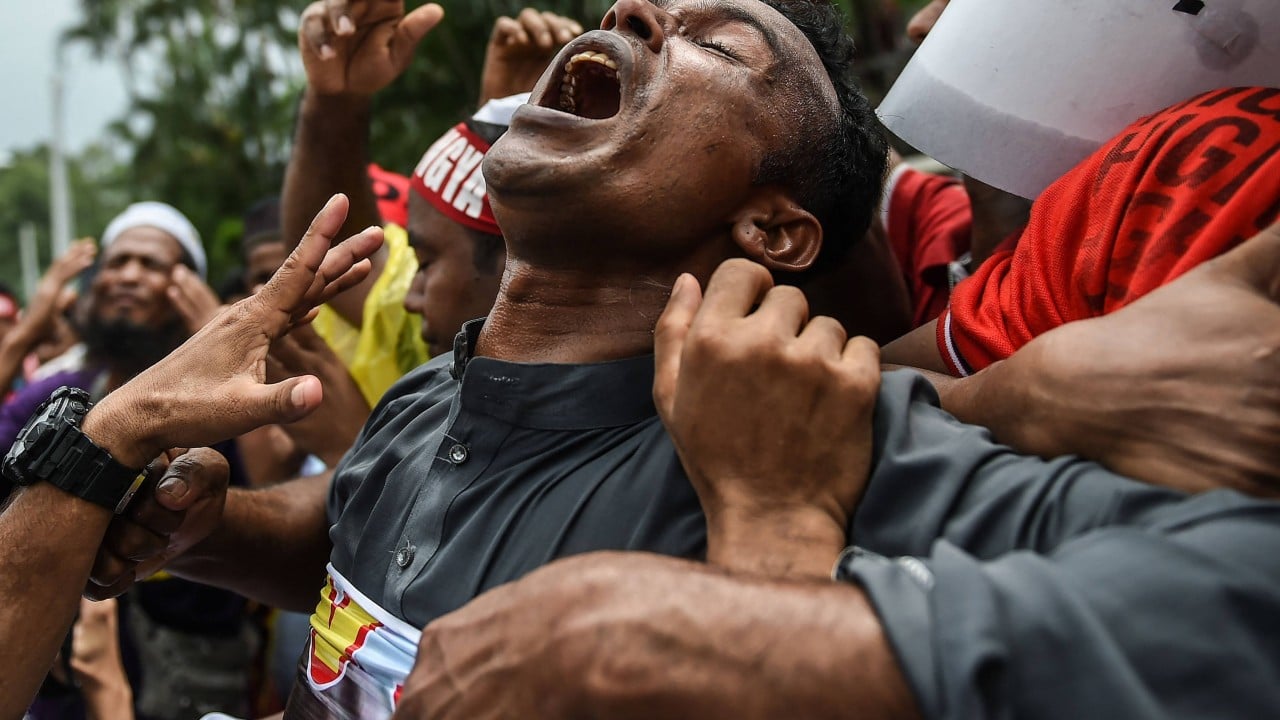
Malaysia’s reliance on other countries to take in its Rohingya refugees is coming under scrutiny following Turkey’s rejection of a proposed transfer, days after the UN’s top court found Myanmar responsible for genocide against the mostly Muslim minority.
Prime Minister Anwar Ibrahim confirmed on Tuesday that Turkey was not prepared to accept 10,000 Rohingya from Malaysia, which hosts more than 133,000 members of the community. The Southeast Asian nation is not party to the UN Refugee Convention and has no legal framework for granting refugees permanent protection.
“I personally received confirmation from the Turkish government two days ago that they were not prepared to consider it,” Anwar told parliament. “Malaysia asked for it to be considered to resolve part of our problem.”
His remarks came less than a week after the International Court of Justice found Myanmar responsible for genocide in its 2017 military campaign, which involved mass killings, rape and other atrocities against the Rohingya. The ruling ordered Myanmar to allow safe, voluntary and dignified returns and provide reparations.
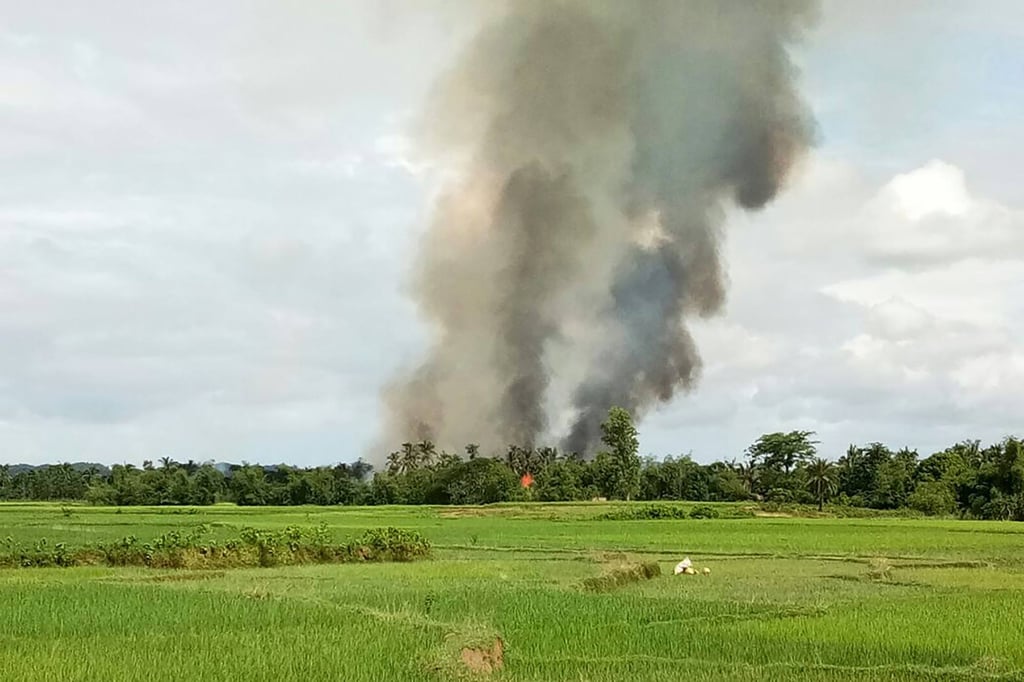
Tuesday’s announcement contradicted a claim made by Deputy Prime Minister Ahmad Zahid Hamidi on Friday that an agreement had been reached to resettle refugees through vocational training tailored to Turkish industries.
His statement was deleted about an hour later, and Ankara subsequently dismissed the reports as “unfounded”. Zahid’s press secretary said the initiative still required clarification and coordination, according to state news agency Bernama.
Mahi Ramakrishnan, founder of refugee advocacy group Beyond Borders Malaysia, said the government owed the public and Rohingya refugees “a full explanation”.
“You cannot announce that the cabinet has approved a proposal to resettle 10,000 refugees in another country, publicly state that the receiving government has agreed to accept them, and then have the announcement disappear without clarification,” she said.
She also questioned the emphasis on preparing refugees for another country’s industries. “Rohingya refugees must not become a population to be moved around according to labour market requirements or the convenience of host governments,” she said.
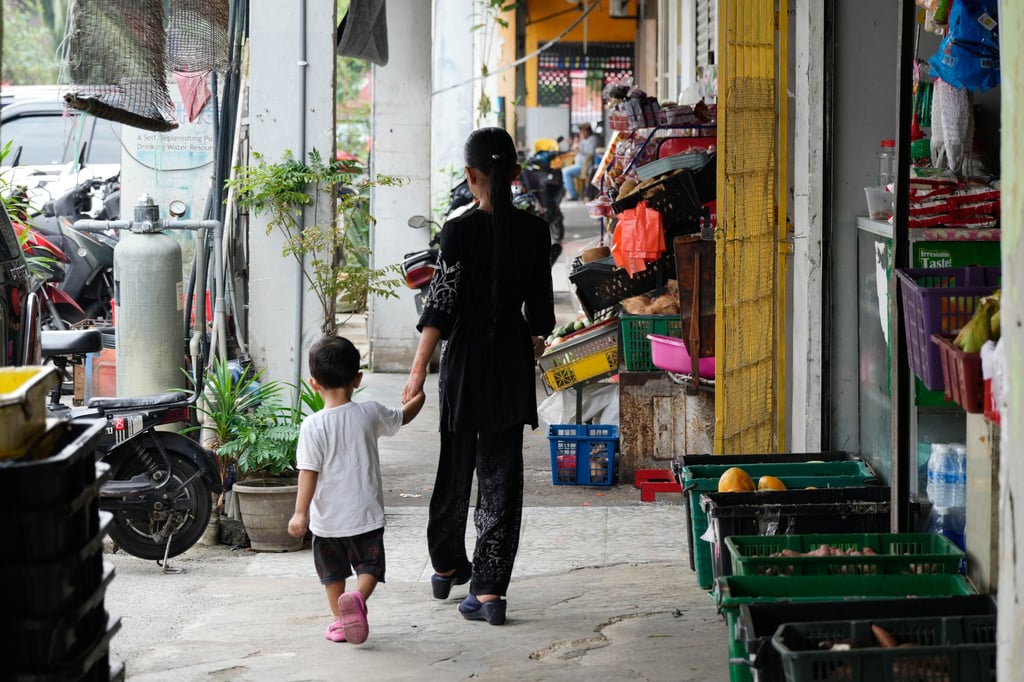
Figures from the UN refugee agency UNHCR show resettlement departures from Malaysia fell to 1,365 in 2025 from 7,012 a year earlier. Globally, departures through United Nations programmes dropped from 116,528 to 37,248 over the same period.
Former Malaysian foreign minister Syed Hamid Albar told This Week in Asia that members of the Association of Southeast Asian Nations were “not willing to take responsibility” for taking in refugees.
The Vietnamese refugee crisis that began in 1975 was an exception, he said. Then, Malaysia took in people on the understanding that they would eventually return home or resettle in other countries such as the United States and France.
Nowhere to go
Anwar on Tuesday defended holding talks with Myanmar, whose military leader turned president, Min Aung Hlaing, visited Malaysia on October 7-8.
“Endlessly hoping for a third country has not worked,” Anwar told parliament. “And hoping they can be brought home easily has not happened either.”
He said 10,476 Myanmar nationals had been returned to the country at Myanmar’s expense, including 1,476 who travelled on board naval vessels on September 29, with another 6,803 scheduled to leave in December.
“So far, there has not been a case among those 10,476 of anyone facing any form of pressure, according to monitoring by Malaysian intelligence,” Anwar said.
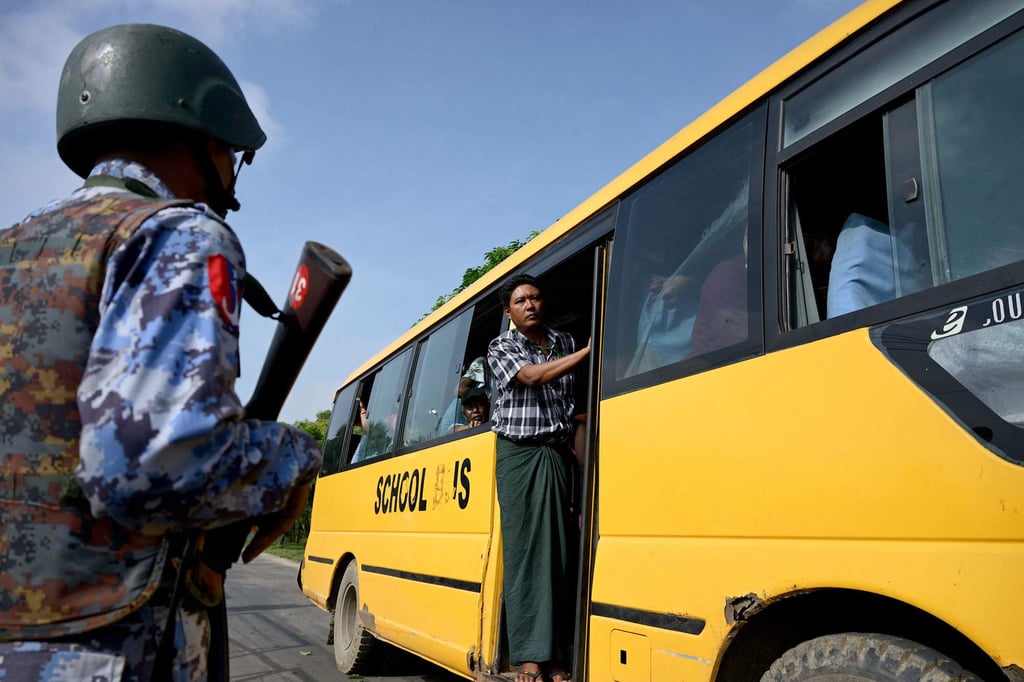
UNHCR said it had not been given access to assess those returned in September and questioned whether decisions made in detention could be voluntary.
Anwar told parliament on October 6 that no Rohingya were in that group of returnees.
Malaysia’s Human Rights Commission called on Saturday for repatriations to stop until protection conditions could be independently verified.
Rakhine state, the Rohingya’s homeland in western Myanmar bordering Bangladesh, is mired in a years-long conflict. The military is fighting the Arakan Army, an ethnic armed group, with UN investigators documenting abuses against Rohingya by both sides, including forced recruitment.
Persecution of the Rohingya dates back decades. Myanmar’s 1982 citizenship law left them stateless despite generations of residence, according to UNHCR.
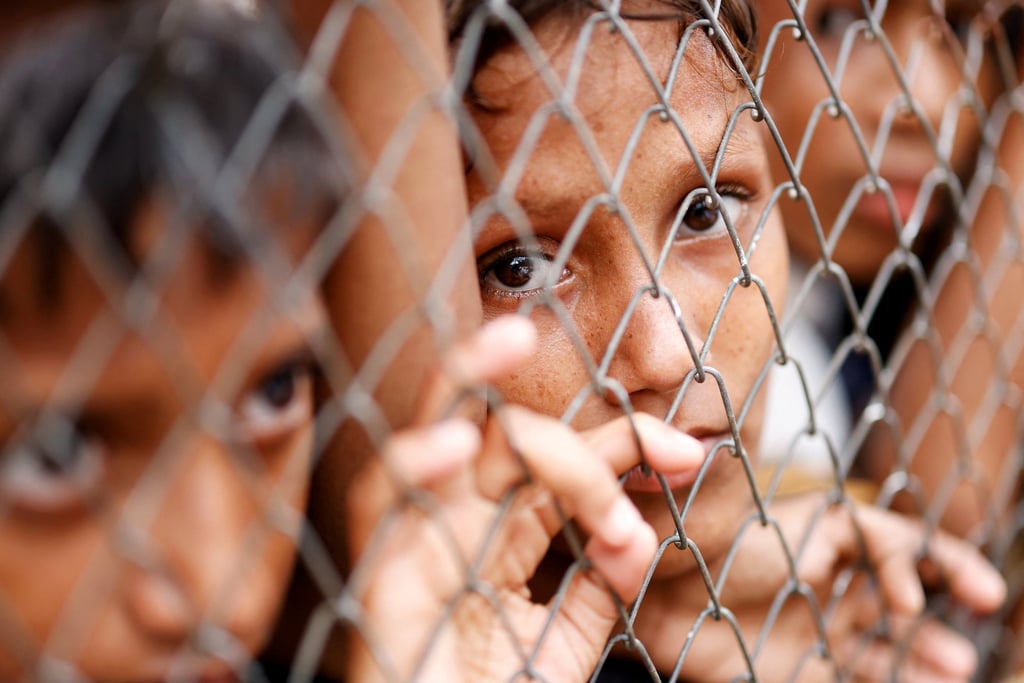
Bangladesh hosts more than 1.2 million Rohingya, about 1.17 million of them in the crowded refugee camps of Cox’s Bazar, according to figures released by Dhaka and UNHCR in October.
Debbie Stothard, coordinator of the advocacy group Alternative Asean Network on Burma, called returning people to an active conflict zone “both impractical and immoral”.
She said Asean members such as Malaysia should extend “civilian protection to genocide survivors” on their own territory “instead of fanning hate against the Rohingya”.
“That means … actually trying to ensure that they can live, they can shelter in safety … that they are not demonised or locked up simply because they don’t have documents,” she said.
08:38
The online hate campaigns targeting Malaysia’s Rohingya refugee community
In June, rights groups warned of rising online hate speech, harassment and threats against Rohingya in Malaysia, including a petition demanding their removal that attracted hundreds of thousands of signatures before being placed under review.
UNHCR stopped registering new asylum seekers and issuing documentation in Malaysia on November 17, after the government took over refugee registration under a state-led system.
“Other UNHCR services have not stopped,” the UN agency said in a notice to refugees the following day. “Resettlement processing also continues.”
Malaysia’s replacement registration programme issues temporary identity documents, rather than formal refugee status, only to eligible people who entered the country before January 2023. The documents cover holders until they are repatriated or resettled elsewhere.
KioskNews shows a cleaned-up reading view extracted from the publisher’s page — the original always lives on their site, not ours.