25 Years Later, Ridley Scott's 39% Rotten Tomatoes Thriller Deserves Redemption on Streaming
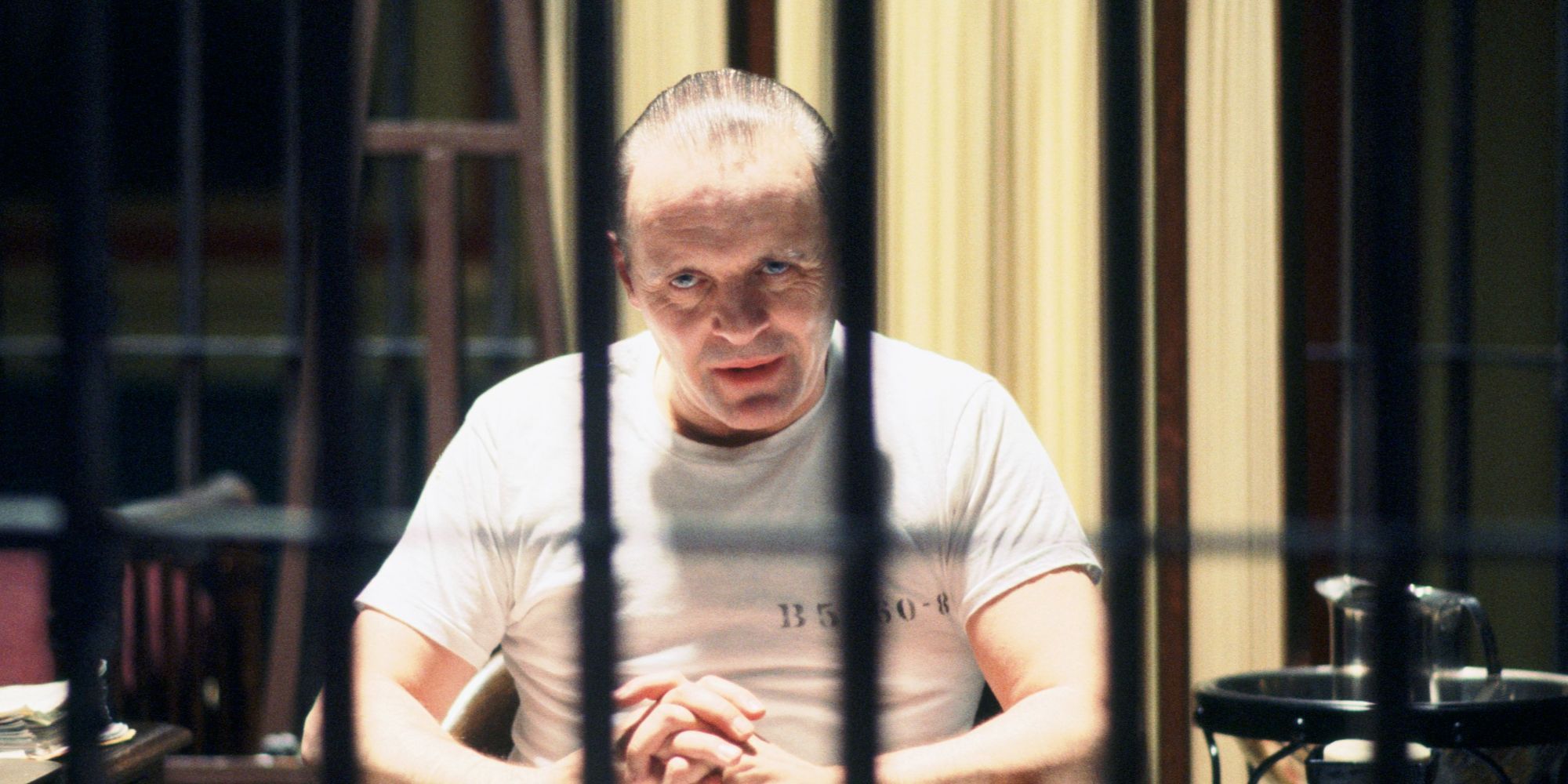

In 1991, Hannibal Lecter hissed his way into film history with the Oscar-winning The Silence of the Lambs, a rare case of a horror movie winning Best Picture and sweeping the “big four” categories. A decade later, Hannibal was released with Ridley Scott directing, Anthony Hopkins returning, and Julianne Moore replacing Jodie Foster, who opted out after being put off by the script’s violence. Audiences and critics were also put off, but 25 years on, the film deserves a second life as it comes to free streaming on Tubi and Pluto.
Ridley Scott’s ‘Hannibal’ is a New Vision of Terror

Set a decade after the events of the first film, Clarice Starling (Moore) is now an FBI Special Agent who suffers a career setback due to a botched drug raid. The headlines it creates draw the attention of Mason Verger (Gary Oldman), Hannibal Lecter’s (Hopkins) only victim to still be alive. Wealthy but hideously disfigured, Verger is hellbent on revenge and uses his influence to assign Starling to Lecter’s ongoing case. Now living in Florence, Italy, Lecter comes out of hiding to draw the agent in, with Starling torn between duty and her connection with the deadly doctor.
The sequel was released with a lot of fanfare, and became a box office hit. However, many critics dismissed the follow-up as too violent, and questioned the idea of furthering the romantic connection between Lecter and Starling. However, a quarter of a century on, now that the film can be viewed away from the hype, there is a lot to recommend in this gothic, intense investigation.
‘Hannibal’ Offers a Glimpse of Dr. Lecter Unleashed


Hannibal Lecter is on-screen for about 24 minutes in The Silence of the Lambs, or around 20% of the film’s running time. For much of that, he is imprisoned, but in Hannibal, we see him truly unleashed. Living among the art and history of Florence, he mixes beauty with horror as he decimates those who try to catch him. The duality of Lecter — a man who can live in refinement while still remaining capable of such savagery — is explored further in this movie. Were he simply to have assisted Starling in another case, it would have felt too similar to the previous movie. Here, he is at large, and able to illustrate why he is so terrifying.
Hopkins’ performance, a mixture of sinister and theatrical, works brilliantly with Scott’s direction, which centers the man in the narrative right from the beginning thanks to the beautiful opening titles, where a montage of CCTV ends with a crowd of birds forming the shape of Lecter’s face. The grand nature of the character is perfectly combined with Scott’s preference for grand scale. Hannibal is an all-out horror movie, with two men who know exactly how to orchestrate terror.
Julianne Moore Shows a Different Side to Starling

The film also benefits from a fine turn from Moore. Faced with the daunting task of following the superb interior performance of Foster, the future Oscar winner decided to make the previous film a foundation for where the character is now. Foster’s interpretation is that of a newbie, a confident but cautious trainee trying to make her way in the male-dominated field of the FBI. Moore’s version is ten years older, more confident and direct, but also baring the weight of that experience. It’s a performance that takes its cue from the past, but also builds on it in a satisfying way.
Elsewhere, the antagonists in the movie are played with wonderful theatricality. Oldman is unrecognizable under mountains of prosthetics, portraying a man who has become almost as much of a monster as Lecter. Ray Liotta also provides a fine counterpoint to the title character as a corrupt colleague of Starling’s, portraying all the lack of refinement that would enrage Lecter, leading to the film’s shocking finale.
Hannibal will not be remembered as the same cinematic landmark as The Silence of the Lambs, but then, few sequels truly surpass the original. However, when viewed on its own merits, the film is an operatic take on the famous character, which allows him to live in his element and show you just why he is one of the most feared figures in movie history. Even the gory scenes seem more refined in a post-Saw world, with Scott adding artistic flourishes to offset the chills. If you’re interested in horror with some visual flair, the doctor will be waiting for you.

- Release Date
- February 9, 2001
- Runtime
- 132 Minutes
- Director
- Ridley Scott
- Writers
- David Mamet, Steven Zaillian
KioskNews shows a cleaned-up reading view extracted from the publisher’s page — the original always lives on their site, not ours.