Young shooters, small payouts: Why attacks on Punjab police persist
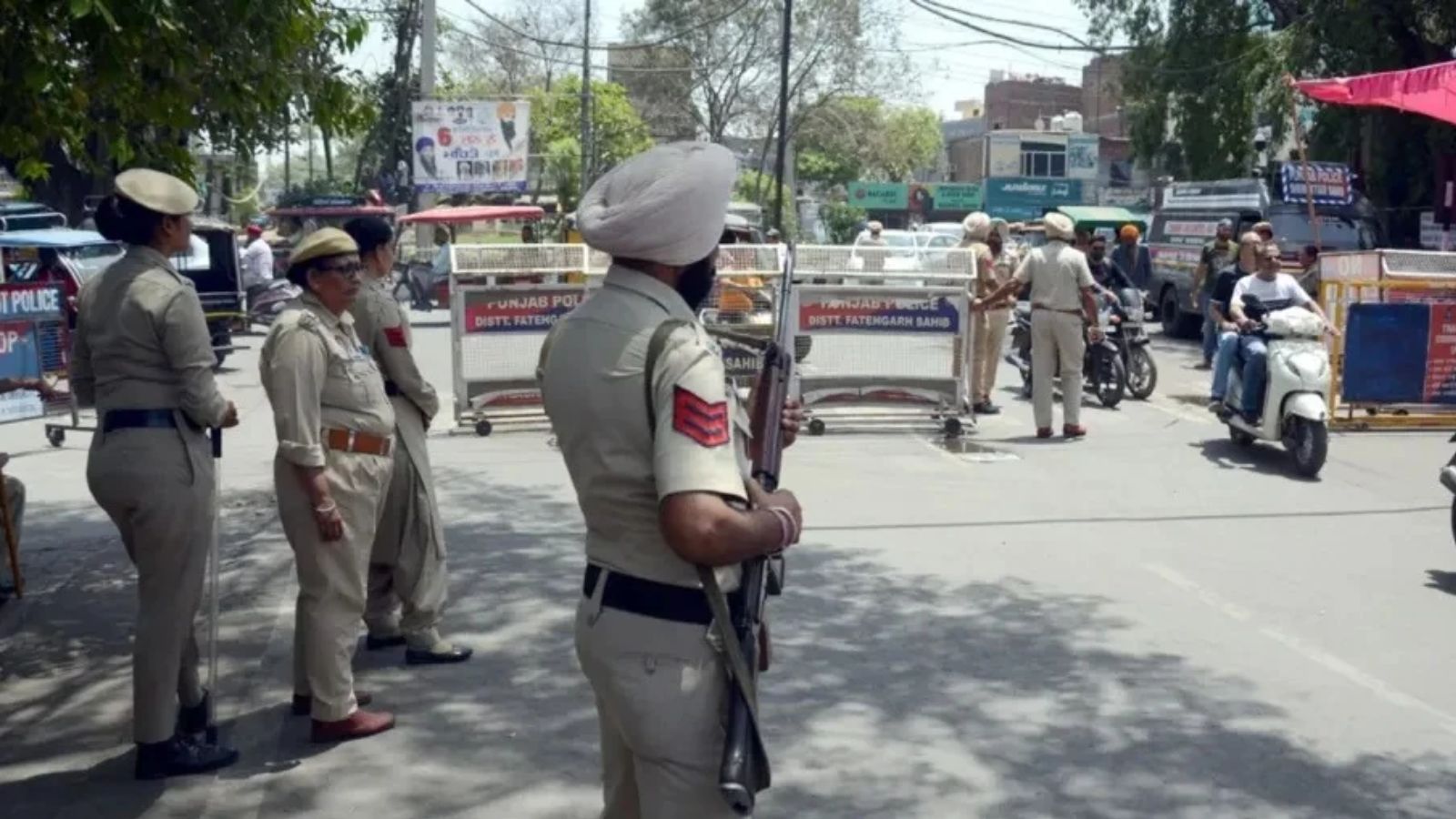
A growing number of attacks on Punjab Police personnel in the state’s border districts are being carried out by local youths in their late teens and early twenties, many allegedly recruited by Pakistan-based handlers for small sums of money, as per the official police records. Even as police encounters have killed several alleged shooters and injured others, the attacks have continued, pointing to a steady pool of vulnerable recruits in the border belt.
The latest incident took place on November 16 night, when an off-duty constable was killed near Gurdaspur after two youths on a motorcycle allegedly offered him a lift. Six police personnel have been killed in such attacks this year, while two others have been injured. Subsequent encounters have left three alleged shooters dead and several others injured.
The profile of those allegedly involved has remained strikingly similar across cases. In the February killing of ASI Gurnam Singh and Home Guard Ashok Kumar near the Pakistan border in Gurdaspur, investigators identified Ranjit Singh (19), Dilawar Singh (19) and Inderjit Singh (21) as the alleged assailants. Ranjit was later killed in an alleged encounter after escaping custody. His family, however, disputed the police version, alleging that he had been picked up from his house and taken away.
Police claimed that the trio was in touch with Pakistan-based handlers and that Dilawar had received only Rs 3,000 against a promised payment of Rs 2-4 lakh.
In September, 19-year-old Karanbir Singh alias Nandi, allegedly involved in the shooting of ASI Jaswant Singh near Ajnala in Amritsar district, was killed in an encounter after reportedly escaping custody. That month, Deepak Singh, also in his late teens or early twenties, was killed after police linked him to the murder of ASI Harjit Singh at Bhagtanwala grain market in Amritsar city. Police said Deepak and an accomplice opened fire at a checkpoint and were met with retaliatory firing. He succumbed to his injuries while being taken to hospital.
Investigators have pointed to a recurring pattern of local youths allegedly being recruited by Pakistan-based handlers linked to the ISI and Tehreek-e-Taliban Hindustan (TTH), an outfit operated by Pakistan-based terrorist Shahzad Bhatti. The Shahzad Bhatti Network was designated under the Unlawful Activities (Prevention) Act and banned in September 2026.
Senior police officers in the border districts say the recruitment network feeds on longstanding socio-economic vulnerabilities in the Majha belt, particularly in Amritsar, Tarn Taran and Gurdaspur. Unemployment, stagnating farm incomes and the inability of traditional industries to absorb surplus labour have left many young people with limited economic opportunities.
Story continues below this ad
The problem is compounded by the drug menace in border villages, where heroin and other narcotics are smuggled from across the international border through drones and conventional routes. Police officers and investigators say unemployed youths and those battling addiction are particularly susceptible to recruitment.
“This is not purely a law and order problem. This is a societal problem where these young boys are being enticed to carry out crimes for a pittance,” says Gurpreet Singh Bhullar, IG, Border Range, Punjab Police.
According to police accounts, gangsters and alleged ISI-linked handlers exploit this vulnerability by offering small cash payments or drugs to recruit local youths. One senior officer said investigators had repeatedly come across young men, including minors and drug addicts from economically weaker families, willing to carry out criminal assignments for as little as Rs 10,000. In several cases, even the promised amount allegedly does not reach the recruits in full.
The aspirational pull of gangster culture, amplified by social media images of weapons, money and a lavish lifestyle, also makes such networks attractive to some young men, officers say. Existing local arms-trafficking and extortion networks further facilitate their recruitment.
Story continues below this ad
For the police, the challenge goes beyond dismantling individual modules or arresting those who pull the trigger. Border Range officers have repeatedly flagged the availability of unemployed and vulnerable youths as a continuing source of recruits, even as encounters and arrests disrupt existing networks.
Senior police officers have suggested special employment quotas in police and other security forces for youths from border areas as one possible intervention. Meanwhile, intelligence agencies continue to trace financial transactions, phone links and alleged handler networks. But the persistence of attacks, despite encounters and arrests, underscores a larger concern: eliminating individual shooters has done little to dry up the pool from which they are recruited.
KioskNews shows a cleaned-up reading view extracted from the publisher’s page — the original always lives on their site, not ours.