Rs 6 lakh relief comes to 35-year-old after 6 yrs in jail, ‘slipshod’ probe, and now, an accident in Agra
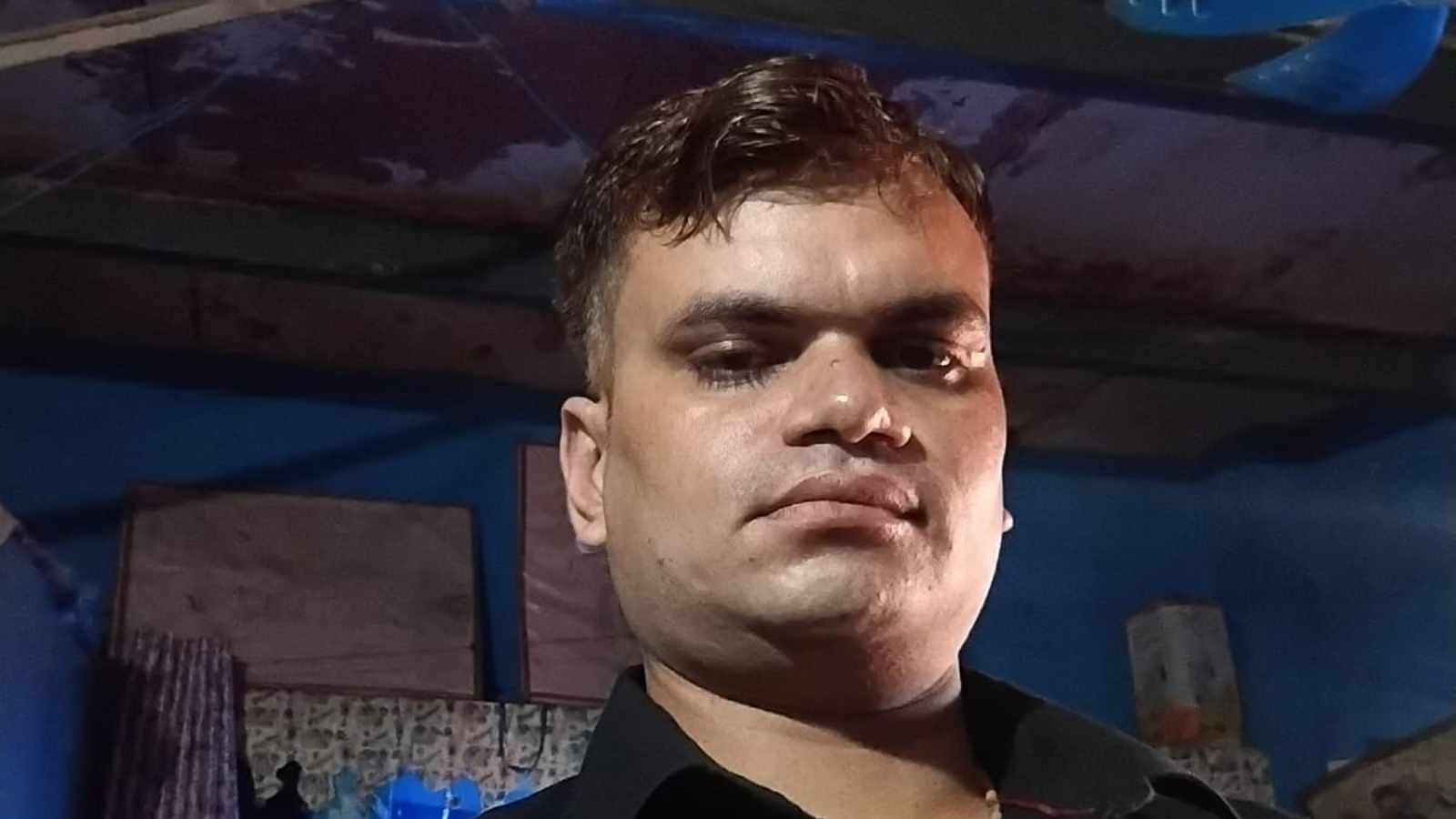
It was through the media that Arun Pratap Singh learnt of the Supreme Court’s direction to the Uttar Pradesh government to pay him Rs 6 lakh as compensation, for his six-year-plus imprisonment in a case, in which he was acquitted. The money couldn’t have been more handy, says a “thankful” Singh. On October 10, barely a week after he had finally found a job after his release from prison, Singh was hit by a car on his way home in Agra, leaving him bedridden.
Singh, 35, was arrested on November 13, 2019, on charges that he had kidnapped Dharmendra Tiwari on October 18 that year for ransom, murdered him, burnt his body and hid his skeletal remains.
In its order acquitting him on June 6 this year, an Agra court said the prosecution had failed to establish any link in the chain of circumstantial evidence against Singh, or prove beyond reasonable doubt that he was guilty of the alleged offence.
Hearing a special leave petition that was filed by Singh while his case was pending in the Agra court, the Supreme Court Tuesday awarded him compensation of Rs 6 lakh, observing it was “paltry in comparison to the years spent in custody”, and added: “Based on a slipshod investigation, a haphazard prosecution was carried out, which resulted fortunately in the acquittal of the accused. We cannot but deprecate the manner in which the investigation was carried out.”
Admonishing the state police, the Court said it “would do well to educate their officers in the process of investigation”, and said a copy of its order would be sent to the Director General of Police and Home Secretary of Uttar Pradesh. It also noted that even when it first took up Singh’s case, in March, it was clear that it hung “entirely on circumstantial evidence”, “the petitioner was never named in the FIR or even in the Section 161 statement”, and that he was arraigned “based on CCTV footage… and the confession of a co-accused”.
Speaking to The Indian Express, Singh said: “I spent six important years of my life in prison for a crime I did not commit. I had no connection with the family of the man who was killed. The court acquitted me as there was no evidence against me… But I lost six years that I can never get back.”
With Singh arrested, the responsibility of his family, including wife Rakhi and a two-year-old son, fell on Singh’s 65-year-old father Rakesh Singh. A retired private-sector employee, Rakesh said he sold their land and mortgaged their house to meet expenses, including for the legal fight. “There were no earnings. We had little choice,” said Rakesh.
Story continues below this ad
Tiwari, 27, the son of farmer Hari Ram Sharma (he used a different surname than the family), disappeared on October 18, 2019.
Singh, who lives in Sikandara area of Agra, was arrested along with two other local residents, Lalit Bhadauria and Lalit’s mother Shalini. Singh says he did not know the two. Lalit died in jail in 2021 during the trial, while Shalini is reportedly untraceable since receiving bail.
Singh said he could not get over the shock of his arrest for a long time, and his ordeal didn’t end with his release in June. A graduate, he had been working at a battery shop when he was arrested. After jail, no one wanted to hire him, while even family members met his protests that he was innocent with scepticism. “Wherever I went looking for work, I had to explain where I had been for six years and why the police had arrested me,” he said.
Finally, just this month, he was hired by a two-wheeler showroom as a sales officer. Barely a week later, when he was returning home from work on his motorcycle, Singh was struck by a car. He suffered multiple rib fractures and is now confined to bed.
Story continues below this ad
Left with no answers as to what happened to his son, Sharma accused police of “negligence” in handling the case.
He last remembers his son Dharmendra – he has three other children, two of them physically challenged – leaving home on his motorcycle to go to the market. After he did not return, the family started a search and, the following day, on October 19, 2019, lodged a missing person complaint at Achhnera Police Station.
According to Sharma, he received a ransom call for Rs 50 lakh, and delayed approaching the police as he feared for his son’s life.
The last known location of Dharmendra, who left behind a wife and two small children, was traced to Kiraoli tehsil. About two weeks later, police claimed to have cracked the case and arrested Singh and the Bhadaurias. It also recovered Dharmendra’s motorcycle, which was found near a drain in the Achhnera area. However, Dharmendra’s body was never found; Sharma suspects the 27-year-old was killed, his body burnt, and his bones dumped into the drain.
Story continues below this ad
While the police later recovered some bones, it did not send them to a forensic laboratory for DNA testing. Achhnera Station House Officer Kuldeep Singh said he could not say why the DNA test was not done, as the case was old and he had no information about it.
In its order, the Supreme Court noted that the bones recovered were “not identified as that of the missing person”. “Neither was the postmortem conclusive as to how the death was caused.”
Sharma has filed an appeal challenging Singh’s acquittal, but it is still to be taken up. He continues to believe that police arrested the right people, adding: “Had the police done its job, we might have at least secured justice.”
KioskNews shows a cleaned-up reading view extracted from the publisher’s page — the original always lives on their site, not ours.