ACM's new exhibition brings Mogao Caves and over 1,000 years of Silk Road art to Singapore
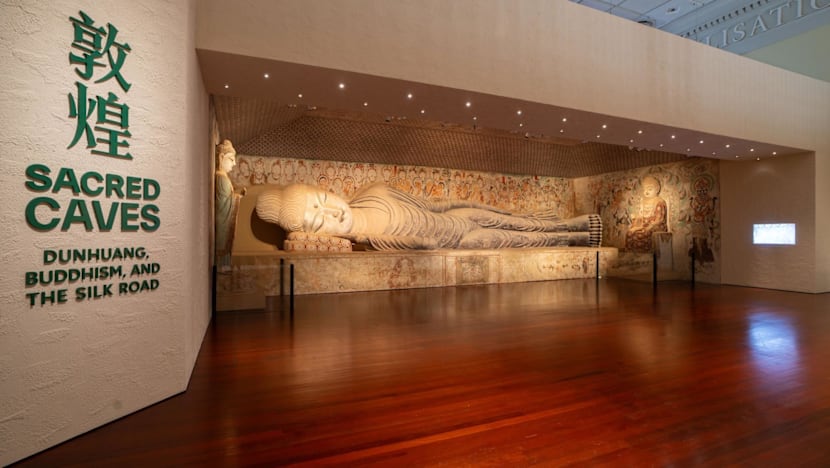
At the Asian Civilisations Museum's Sacred Caves: Dunhuang, Buddhism, and the Silk Road exhibition, visitors can explore Silk Road artefacts, an original soundscape, interactive digital experiences and an island-spanning stamp trail.
New: You can now listen to articles.

This audio is generated by an AI tool.

24 Sep 2026 03:29PM
Four life-size reproductions of China's Mogao Caves are coming to Singapore for the first time as part of a new exhibition at the Asian Civilisations Museum (ACM).
Titled Sacred Caves: Dunhuang, Buddhism, and the Silk Road, the exhibition is presented in collaboration with the Dunhuang Academy and brings together the cave reproductions with paintings, sculptures, manuscripts, textiles and devotional objects spanning more than a thousand years of Buddhist art and cultural exchange.
It runs from Sep 25, 2026 to Mar 7, 2027 across ACM's Level 2 Foyer and Special Exhibitions Gallery.
Located in northwestern China, Dunhuang was an important crossroads along the Silk Road, connecting China with Central Asia, India, the Middle East and Europe. Buddhism's rise in the region led to the Mogao Caves, a vast complex of Buddhist cave temples created between the fourth and 14th centuries.
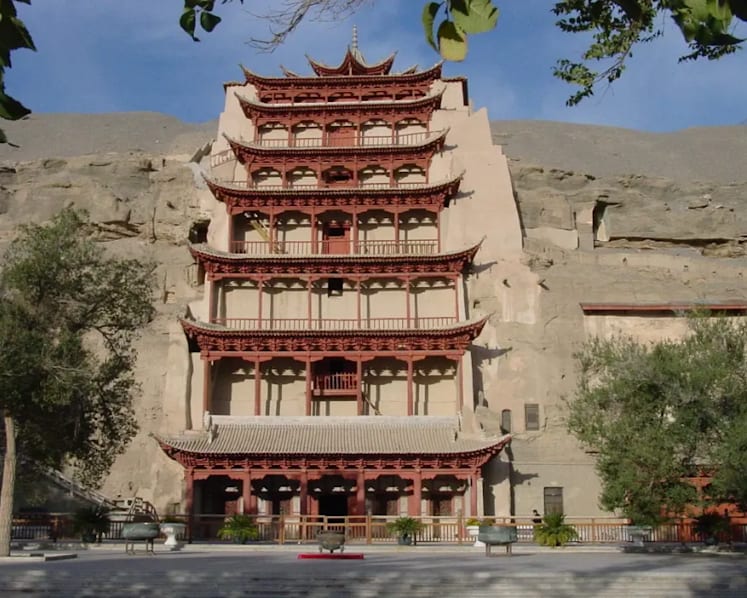
Three of the four caves recreated for the exhibition are either restricted or completely closed to visitors at the original site in Dunhuang.
The largest reproduction, Cave 158, will occupy ACM's Level 2 Foyer. Dating to the Tang dynasty, the cave contains the largest reclining Buddha at Mogao, depicting the historical Buddha Shakyamuni entering nirvana as mourners from different regions grieve around him.
Inside the Special Exhibitions Gallery, visitors can explore reproductions of other caves.
Cave 249 brings together figures from Buddhist and Chinese mythology in its depiction of the cosmos, while Cave 45 centres on a Tang dynasty sculptural ensemble. Cave 3, meanwhile, is known for the fluid brushwork of its wall paintings.
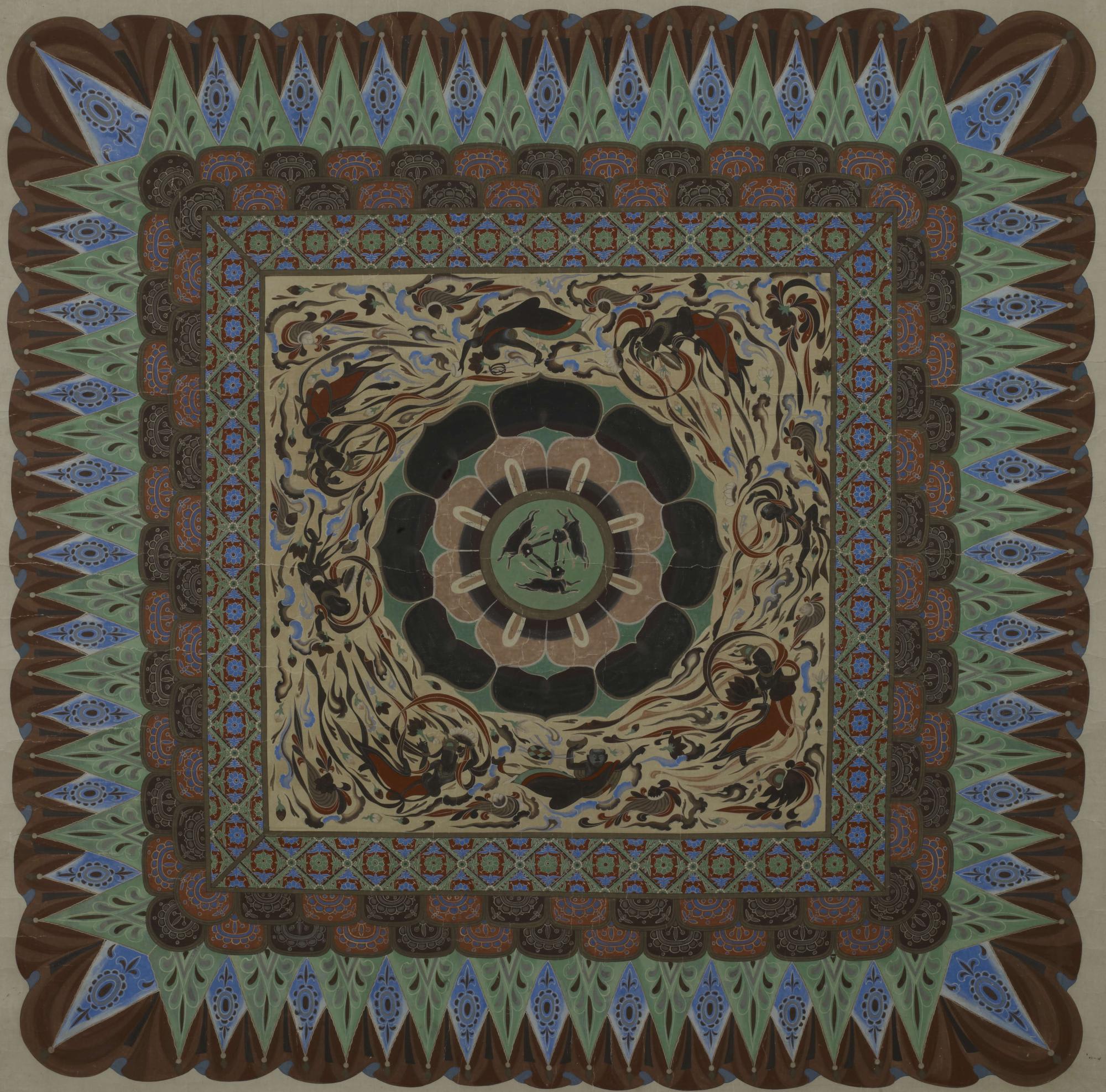
Beyond the caves themselves, the exhibition looks at the people, beliefs and movement of ideas that shaped the city of Dunhuang.
The gallery is divided into three themes – City, Devotion and People – examining Dunhuang as a centre of trade, religious life at the Mogao Caves and the communities that created and sustained them.
Among the objects on display are a Tang dynasty travel pass and a coin from Sassanid Iran. Visitors can also see depictions of rulers, monks and powerful women, as well as artists' tools revealing how the sculptures at Mogao were constructed. The latter is being shown outside Dunhuang for the first time.
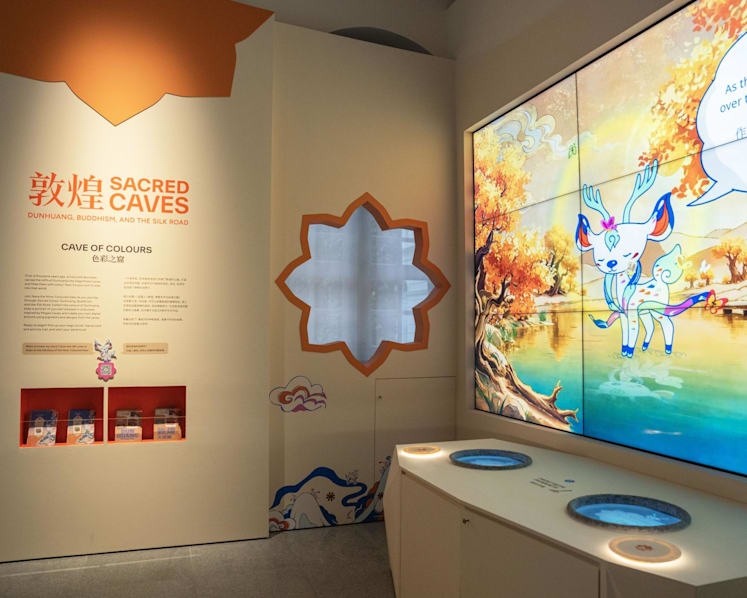
The exhibition also incorporates sound and interactive elements.
Composer Sulwyn Lok has created three original pieces inspired by the musical cultures of Dunhuang and the Silk Road, using instruments including the bansuri, yangqin, dizi, ruan, cello, saron and bonang.
Visitors can also take part in a digital trail using RFID-enabled paintbrushes to "collect" colours associated with Dunhuang as they move through the museum. The colours can then be used to create a digital wallpaper and a portrait of themselves dressed in Mogao cave-inspired costumes.
A separate stamp rally extends beyond ACM to the Bank of China and The Fullerton Hotel. From Oct 2, visitors who collect at least six stamps can redeem a blind-box apsara figurine.
Outside the museum, a six-metre inflatable apsara installation will also serve as a photo spot on ACM Green.
For more information on the exhibition and its ticketing fees, visitors can visit the official website.
KioskNews shows a cleaned-up reading view extracted from the publisher’s page — the original always lives on their site, not ours.