Pune residents map 500+ trees, force city to cut removals from 529 to just 33
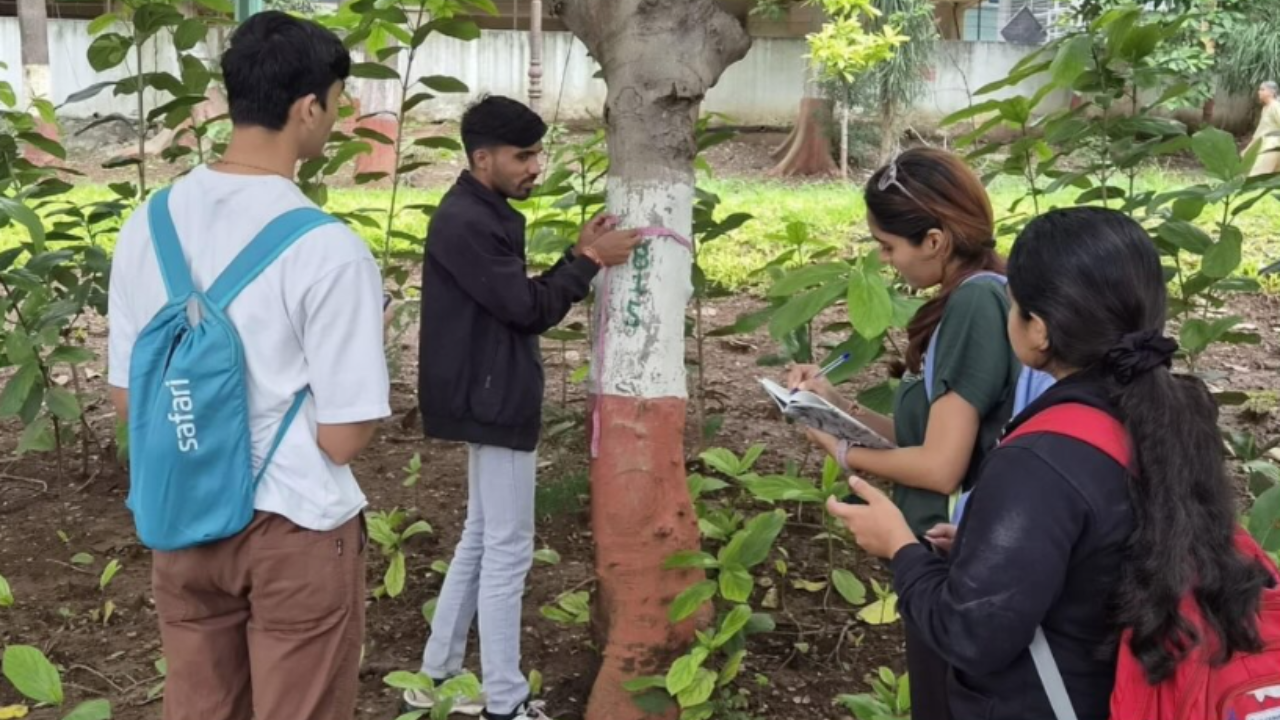
Image courtesy: Instagram/punetreemapping.rivers
A smartphone, a measuring tape and a few hours of volunteer work became part of a campaign to protect hundreds of trees in Pune. Residents photographed roadside trees, identified their species, measured their trunks and recorded their locations.
Their work helped document what stood to be lost when the Pune Municipal Corporation proposed widening Ganeshkhind Road.The road project initially put 529 trees at risk. After objections, protests and suggestions for an alternative design from residents and environmental groups, the civic body revised its proposal in September 2026. The number of trees marked for removal fell from 529 to 33, potentially sparing 496 trees.The effort was part of a wider citizen-led exercise to document Pune's green cover. According to a report by The Better India, residents are using simple digital tools to build records of trees along the city's roads, riverbanks and hills.
How volunteers turned tree counting into a record
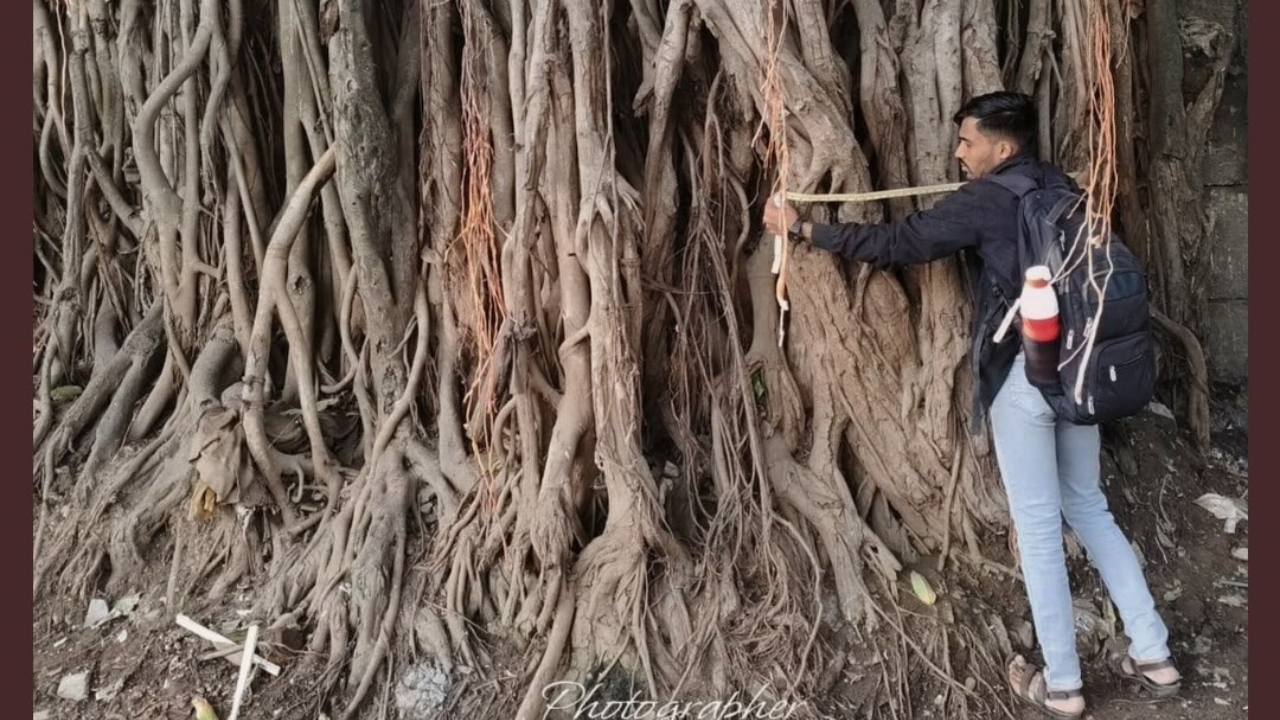
Image courtesy: Instagram/punetreemapping.rivers
When residents concerned about the Ganeshkhind Road project approached Pune River Revival (PRR), volunteers took up the task of documenting the trees. They mapped more than 500 trees in about a month.
Rather than simply counting them, the volunteers photographed individual trees, noted their species, measured their trunk circumference and recorded their locations. These details helped create a record of the trees that could be referred to during discussions about the road project.According to The Better India, the group uses iNaturalist, an app that allows people to upload photographs and location details of plants and animals.
The platform helps users identify species and makes observations accessible to others.The mapping work was not limited to Ganeshkhind Road. On a Saturday morning in October 2026, seven PRR volunteers gathered at Madhavrao Scindia Garden beside the Mula River. Carrying smartphones and measuring tapes, they documented trees along the riverbank, adding photographs, species information and measurements to the growing record.The group had begun organising its tree-mapping work more systematically in 2024. Volunteer Raghunandan Patil told Mongabay that the group had earlier mapped trees by hand but needed better technical methods to document them.
Why Ganeshkhind Road became the focus
The immediate concern was a proposed widening of Ganeshkhind Road, on the stretch between Sancheti Hospital and Savitribai Phule Pune University. The Pune Municipal Corporation planned to widen the road from 36 metres to 45 metres, putting 529 trees at risk.Under the earlier proposal, 469 trees were to be transplanted and 60 cut down. Environmentalists questioned whether mature trees could survive transplantation and argued that the road design should be reconsidered to avoid unnecessary loss of greenery.According to the Pune Mirror, The issue drew residents, artists and environmental groups into a wider campaign. On April 18 and 19, 2026, people gathered for tree-mapping activities, live painting and music to draw attention to the trees. The protests continued. On May 1, around 200 people, including schoolchildren and senior citizens, formed a human chain along Ganeshkhind Road.The campaign eventually led to a change in the proposal. PMC had reduced the number of trees proposed for removal from 529 to 33 after considering objections and alternatives suggested by citizens and environmental groups.
KioskNews shows a cleaned-up reading view extracted from the publisher’s page — the original always lives on their site, not ours.