Senator accuses US Commerce Department of failing to stem flow of AI chips to China
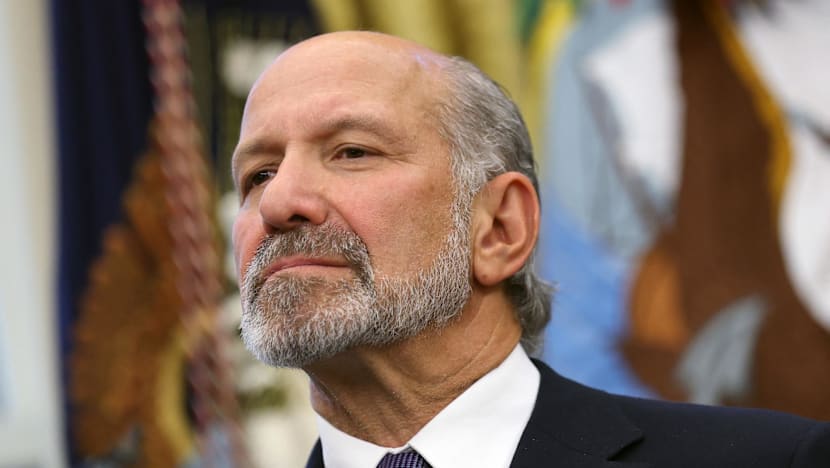
WASHINGTON: The Senate Commerce Committee's top Democrat has accused the Commerce Department of not doing enough to prevent China from obtaining advanced AI chips, saying Commerce Secretary Howard Lutnick's failure to take action undermined national security.
"America cannot maintain its leadership in AI if the agency responsible for protecting that advantage fails to enforce its own controls," Senator Maria Cantwell said in a Nov 15 letter to Lutnick seen by Reuters.
The letter follows remarks by United States Treasury Secretary Scott Bessent that the Treasury, the Pentagon, the State Department and the US Trade Representative's Office had been in favour of putting Megaspeed, the Singapore company at the heart of the Nvidia scandal, on a trade blacklist for months.
However, the Commerce Department, which is in charge of the list, had not been in favor, Bessent said on Friday.
"Despite these warnings, the Department of Commerce delayed action on repeated national security warnings, putting America's technological advantage in AI at risk," Cantwell said.
Lutnick's failure to use his authority has "undermined America's national security," she also wrote.
A spokesperson for Lutnick declined to comment on the letter.
Megaspeed has been in the spotlight following reports that former Nvidia CEO Jensen Huang had an affair with former Megaspeed executive Alice Huang, whom US authorities suspect of being a Chinese spy.
In October 2025, the New York Times reported that US authorities were investigating whether Megaspeed helped Chinese customers obtain Nvidia computer chips subject to Washington's export controls. China has denied the allegation and Megaspeed has not been found to have violated the rules.
Megaspeed said on Sunday that Alice Huang left the company in August 2025 and that it conducts a "legitimate and lawful business."
Cantwell also said that the Commerce Department had suspended a probe into Megaspeed, and that financial conflicts raise serious questions about whether it was putting business interests ahead of national security.
She noted that the Trump administration had imposed a 25 per cent fee on certain Nvidia chips sold to China, arguing that this created "a perverse financial incentive to approve exports of sensitive American technology."
Cantwell is the latest of a slew of US lawmakers who have called for tougher restrictions on China's access to advanced AI chips in the wake of the scandal.
House Speaker Mike Johnson said on Thursday that the growing consensus in Congress favors new restrictions. Senator Elizabeth Warren, a Democrat from Massachusetts, and Senator Jim Banks, an Indiana Republican, argue export-control decisions with major national security implications should face greater congressional oversight.
KioskNews shows a cleaned-up reading view extracted from the publisher’s page — the original always lives on their site, not ours.