‘Wish I hadn’t opened my mouth’: When Rajiv Gandhi regretted sacking foreign secretary
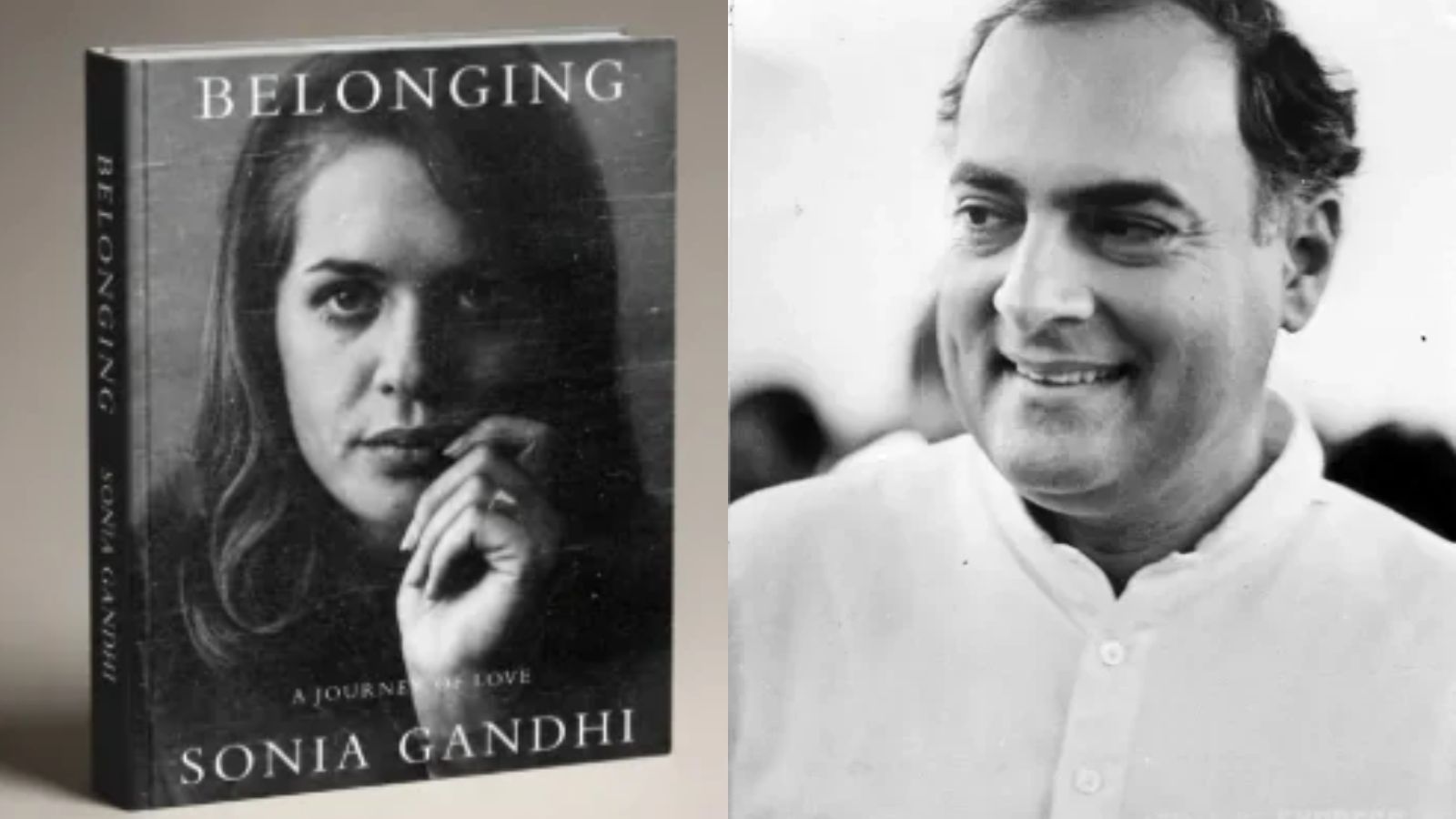
“I knew the moment I’d spoken that I’d made a blunder. I wish I hadn’t opened my mouth.” – This is what former Prime Minister late Rajiv Gandhi told his wife, Sonia, after his remark at a press conference forced the exit of then Foreign Secretary AP Venkateswaran.
Sonia Gandhi, who later led the Congress, wrote about the episode surrounding Venkateswaran’s exit in her memoir, Belonging: A Journey of Love, published by HarperCollins India.
“There were occasional embarrassing instances, such as his public sacking of a senior official. He was furious to learn that his foreign secretary had breached protocol and exceeded his brief during a visit to Pakistan. When a question was asked about it at a press conference, Rajiv said abruptly, ‘You’ll soon be talking to a new foreign secretary.’ This blunt dismissal of the official, who was present, caused a furore, and for days Rajiv was under attack for behaving arrogantly and insensitively,” Gandhi writes in her memoir.
“I used to read the newspapers regularly and get upset if I came across some adverse comment or editorial about him or his government. Often he would explain that the published report was distorted, different from what had really happened. On this occasion, when I questioned him, he said, ‘I knew the moment I’d spoken that I’d made a blunder. I wish I hadn’t opened my mouth’,” she adds.
An Indian Foreign Service officer of the 1953 batch, Venkateswaran became the Foreign Secretary on April 1, 1986. A year later, in the 35th year of an illustrious diplomatic career, he would face an ignominious exit. “You will be talking to a new foreign secretary soon,” Rajiv Gandhi told a Pakistani journalist when asked about contradictory statements by the Prime Minister and his foreign secretary. Venkateswaran had said the Prime Minister would be visiting Pakistan, but the latter denied any such plan. Venkateswaran was at the press conference when the Prime Minister snubbed him. He sent in his resignation letter immediately.
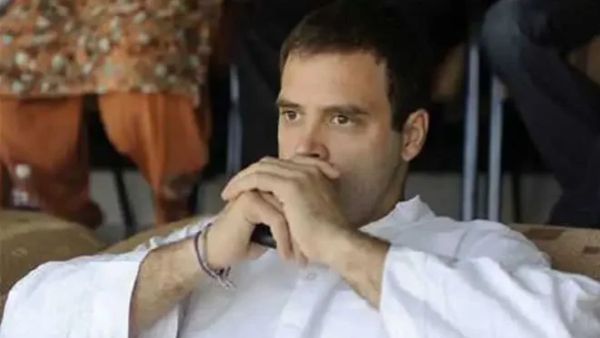 Rahul Gandhi made headlnes when he symbolically tore up a UPA-era ordinance
Decades later, a Rahul-Rajiv comparison
Twenty-six years later, Venkateswaran’s exit would come under the spotlight when Rahul Gandhi symbolically tore up an ordinance of the Manmohan Singh government at a press conference. Critics drew a parallel between the father and the son. Asked about the comparisons between the two episodes, Venkateswaran said in 2013, “History repeats itself first as a tragedy and then as a farce”. He also said “grave digging is not at all a pleasant task”.
“My resigning was a spontaneous action since I have always believed that life without honour is no living at all. I felt that the statement (by Rajiv Gandhi) was an arrogant attempt to try and humiliate, when all the facts were on my side, like his impending visit to Pakistan for a SAARC summit,’’ he said. The former diplomat, who settled in Bengaluru after his exit from the Indian Foreign Service and founded the prominent think tank Asia Centre, died in 2014.
KioskNews shows a cleaned-up reading view extracted from the publisher’s page — the original always lives on their site, not ours.