The UK government wants families to stock up on food. Here’s what to buy
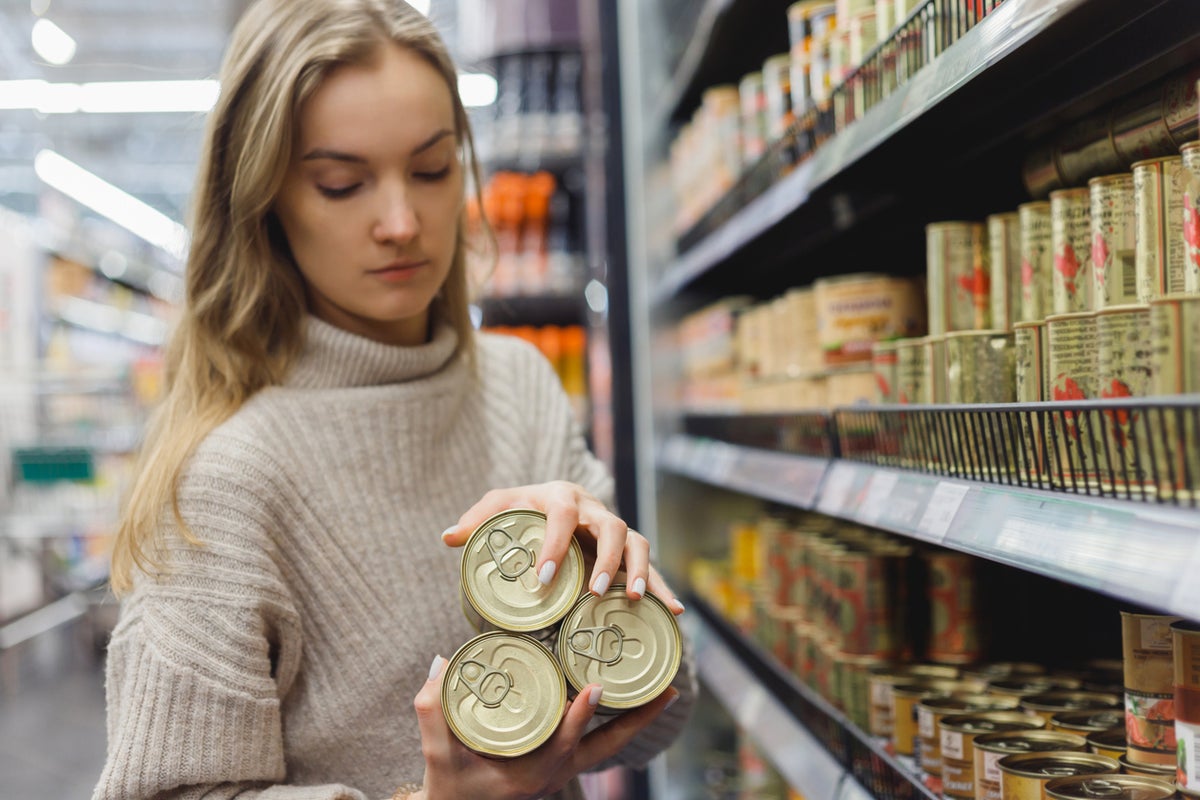
UK households are being urged to stock up on essential items in case of emergencies, according to reports.
A new public information drive is set to encourage people to prepare for extreme weather, cyber attacks and hostile state action.
The national resilience campaign aims to highlight the steps people can take to stay safe in a crisis that may cause power or water supplies to stop or where shops are forced to close.
The government aims to help people cope in a national disaster, in order to free resources for most vulnerable.
What should people stockpile?
Already the government says people should put together an emergency kit of items in their home that includes non-perishable food that doesn’t need cooking, such as ready-to-eat tinned meat, fruit and vegetables.
Nutritionists and “preppers” on social media also say people should consider intake of carbohydrates and protein, and so suggest items such as oats, rice and pasta be included in any stockpile.
Kidney beans, peanut butter and tinned fishprovide high levels of protein.
Environment Secretary Angela Eagle stressed the importance of keeping supplies at home, after forecasters predicted the biggest El Nino in 1,000 years.

Speaking about the wetter winters and drier summers the El Nino will bring, Ms Eagle told the Guardian: “If you’ve got a store of a bit of food that can keep you going for a while before the emergency services can get to you, you’re going to be a lot better off than if you haven’t. So some of it is that kind of preparation for just being a bit more resilient.”
A source previously told The Financial Times: “There will be practical advice on things you can do to improve domestic resilience, like having some bottled water and tinned food. It will be common sense, not scaremongering.”
What threats is the government worried about?
Andy Burnham’s government is focusing on national resilience in the wake of threats from Russia.
The government is also concerned following the record-breaking heatwaves the UK has experienced this summer, plunging the country into drought and causing numerous wildfires.
According to the FT, the government is accelerating work on its “war book” – a manual for the defence of the nation against external threats – as well as a social media campaign with advice to help people to deal with the impacts of extreme weather.
It also updated its national risk register last month, with the risk of interference in the UK’s democratic process added to it.

The national risk register is the government’s assessment of the most significant risks facing the UK.
It is a planning tool designed to help professionals prepare for risks and is not intended to be a prediction of future events.
However, this change comes as Vladimir Putin’s government warned that British facilities in Ukraine will be considered “legitimate targets” if they are used to support long-range strikes against Russia.
The Russian foreign ministry summoned the UK’s deputy head of mission in Moscow Danae Dholakia to complain about British support for Ukraine in the war triggered by Mr Putin’s invasion four years ago.
The senior diplomat was warned that Russia could take “retaliatory measures” in response.
A statement issued by the Russian foreign ministry said Ms Dholakia was “issued a strong protest” over the supply of drones and other weapons systems to Volodymyr Zelensky’s forces in Ukraine.

The Independent also reported that rogue drones are targeting Britain’s military bases almost daily, leaving the UK vulnerable to growing threats from Russia and Iran.
Some 340 security incidents involving drones were reported at or near Ministry of Defence sites in the year to August 2026, data obtained under freedom of information laws show. In 2025, there were a total of 250 incidents recorded – double the 126 recorded the year before.
Why are the heatwaves a concern?
Analysts have warned extreme heat and ongoing droughts are putting Britain at risk of its “worst food security crisis in decades”.
The knock-on impact of five back-to-back heatwaves and prolonged dry conditions could destroy farmers’ harvests, leading to food shortages later this year and increasing reliance on foreign imports, according to analysts from the investment bank Shore Capital.
The National Farmers Union (NFU) warned the situation is “increasingly concerning” and that dairy farmers are already using winter feed because grass has stopped growing.
KioskNews shows a cleaned-up reading view extracted from the publisher’s page — the original always lives on their site, not ours.