China’s BYD, Geely report profit jump as sales abroad surge, though local market stalls
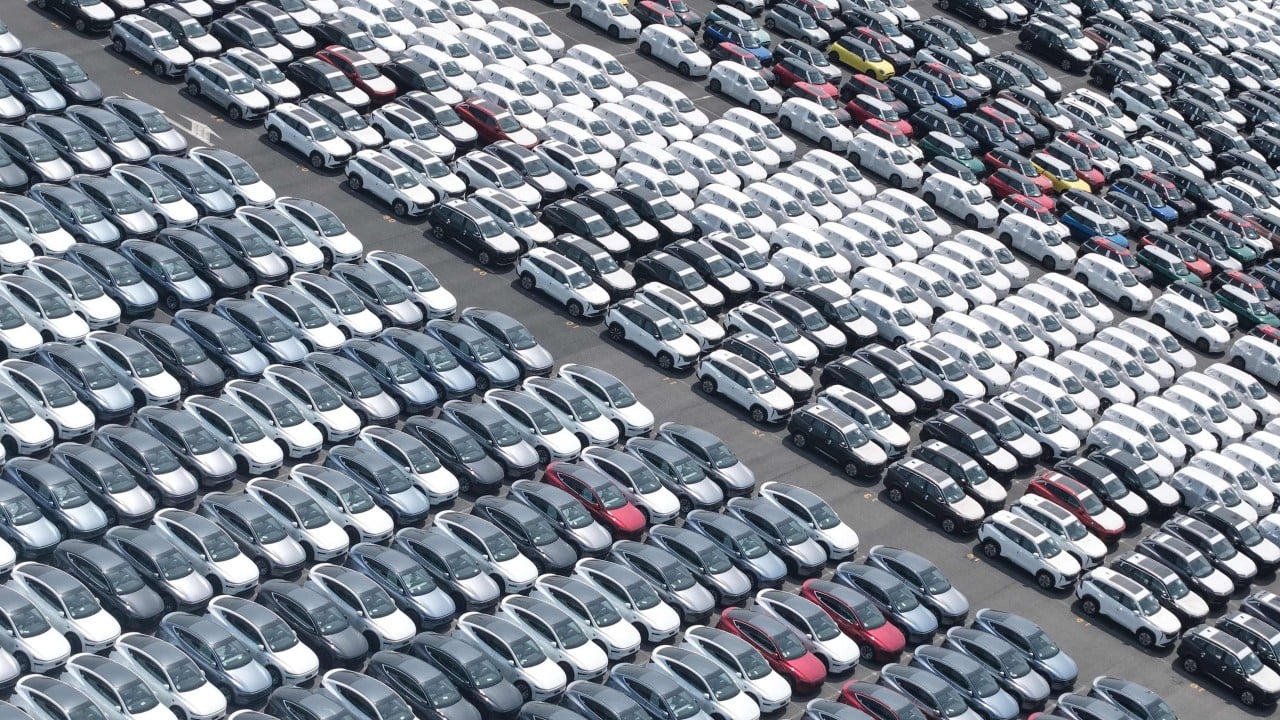
China’s two largest carmakers, BYD and Geely Auto, reported a jump in their third-quarter earnings, propelled by surging overseas sales as they intensified pressure on established international marques in Europe and Southeast Asia.
BYD, mainland China’s largest automotive group, posted a net profit of 10 billion yuan (US$1.5 billion) in the three months ending September, up 28 per cent from the same period a year earlier. Revenue grew 13.6 per cent to 211.5 billion yuan.
Geely said on Thursday that its net income between July and September climbed 28 per cent to 4.8 billion yuan, while revenue increased 10 per cent to 99 billion yuan.
The third-quarter performances of both BYD and Geely failed to meet Bloomberg survey estimates.
“Given the awfully weak domestic auto market, top players showed their resilience in production and sales,” said Ivan Li, a researcher at Loyal Wealth Management in Shanghai. “Sales outside China are offering them a cushion against a big downturn at home.”
BYD, which builds only electric vehicles (EVs), delivered a total of 1.34 million units to overseas customers from January to September, up 92.7 per cent year on year, while its sales on the mainland plunged 30.2 per cent to 1.79 million vehicles.
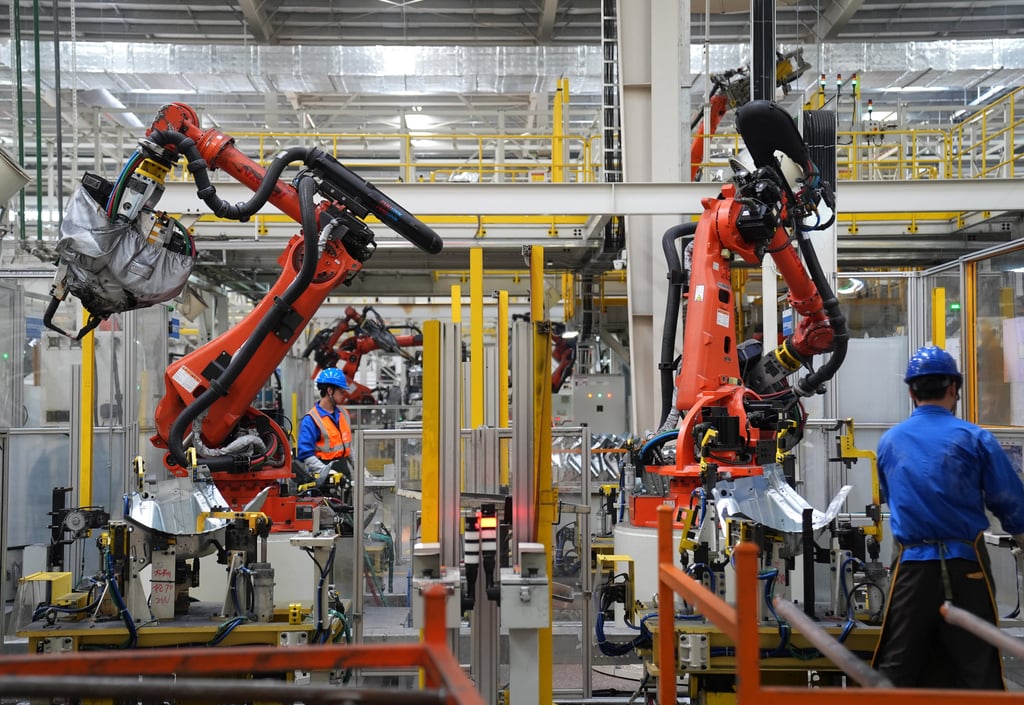
Geely, an assembler of both petrol cars and EVs, saw its exports soar 169 per cent year on year to 797,670 units in the first nine months of 2026, but its domestic deliveries fell 23.3 per cent to 1.44 million vehicles.
On the mainland, carmakers’ average net profit per vehicle was only about 5,000 yuan, according to Nick Lai, head of auto research for Asia-Pacific at JPMorgan. But the margin in overseas markets could be four times higher at 20,000 yuan, as Chinese cars were often sold at higher prices abroad, he said in May.
Chinese carmakers were expected to achieve overseas deliveries of 12 million units in 2026, up 44 per cent from last year’s 8.3 million, according to an estimate by the China Passenger Car Association (CPCA) in September.
The projected figure represents a 20 per cent rise from an earlier estimate of 10 million vehicles by the China Association of Automobile Manufacturers.
Chinese automotive groups achieved sales of 15.3 million cars at home during the first nine months of 2026, down 21.7 per cent year on year, CPCA data showed.
In June, Stephen Dyer, Asia-Pacific leader of the automotive and industrial practice at AlixPartners, predicted that only seven of the 30 Chinese carmakers solely focused on EVs would be able to break even by 2030, with small or weaker players likely to either exit the market or be acquired by rivals.
KioskNews shows a cleaned-up reading view extracted from the publisher’s page — the original always lives on their site, not ours.