Healey warned of ‘grim’ squeeze on households despite £100 Budget energy bill help for poorest
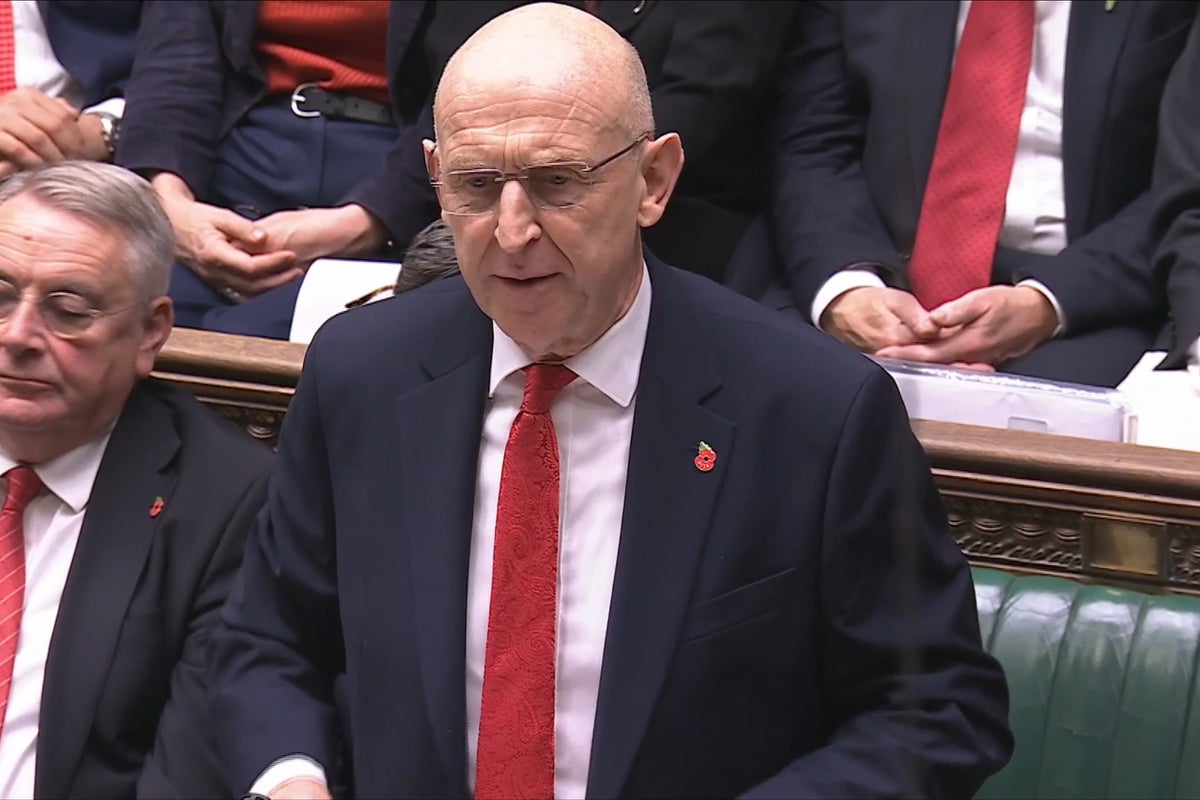
John Healey has been warned that he has left “a grim picture” on household income despite delivering a “cost of living Budget” with £100 off the energy bills of the poorest homes.
In his first Budget as chancellor, Mr Healey announced a series of small measures “for the working people of Britain”, including extending the VAT cut on electricity bills and raising the minimum wage 3.9% for 2.3 million workers to give people “breathing space” at a time of economic uncertainty.
But he also announced a 2 per cent hike on rates of tax on income from property and savings from April and a raid on banks with the surcharge doubling from 3 per cent to 6 per cent for a temporary period of 15 months.
The Budget set a new high for the tax burden on British citizens and businesses even though the government emphasised that 300,000 people will pay no tax with another 200,000 paying less tax and 70,000 high street retailers were taken out of having to pay business rates by raising the threshold from £12,000 to £18,000. This will be funded by removing exemptions from vape shops and gambling outlets.
Other key Budget measures announced included:
- The freeze in fuel duty has been extended until July next year
- A pension tax allowance to prevent pensioners with incomes at or under the value of the full new state pension from paying tax
- Replacing the Lifetime ISA with a new First Time Buyer ISA and a new 'Your First Home' scheme to help people into home ownership
- The tax-free cash ISA limit will remain at £20,000 – a U-turn on Rachel Reeves’ plans to cut the annual amount savers could put away to £12,000
- Raising gambling machine games duty from 20 per cent to 25 per cent
- An extra £10bn of additional economic and military support to Ukraine, and half a billion in urgent military funding this winter
Giving its verdict, the budget watchdog, the Office of Budget Responsibility said the UK’s “economic and fiscal position remains very challenging” after almost two decades of shocks and stagnation, pushing up the national debt.
Professor David Miles of its Budget Responsibility Committee (BRC) warned it marked a “pretty grim picture”.
“If you go back to just before Covid and take that as your base, where we are right now which is what some seven years later, is virtually no growth in per person real household disposable income,” he said. “That’s pretty unusual in the history of the UK.” He added: “It’s been a dismal period in British economic history.”
And in another damning assessment, Helen Miller, director of influential Institute of Fiscal Studies, said the announcement offered a only a “raft of fiddly measures but very little that will move the dial on growth”.
She warned: “But on many other big areas – disability benefits, support for young people, plans for social care, and the path for defence spending – we are still waiting... the government has left itself many difficult decisions, against a backdrop of lower headroom, worse living standards, and continued economic risks.”
She also warned tenants to “expect higher rents”, saying that hikes to property tax hit would hit landlords. She wrote on X: “They already face relatively high taxes. Higher rates will discourage investment. Expect higher rents.”
Despite resigning from Sir Keir Starmer’s government over a failure to fund the UK’s defence budget properly, Mr Healey kicked the can down the road and will instead set out how the government will raise spending to 3.5 per cent of GDP by 2035 at the spending review next year.
That prompted a major row, with opposition parties claiming he was not only delaying finding the funds but had reduced it by £1bn in 2027/28 and 2028/29 - a claim the government denied. The Tories described it as “a dereliction of duty” and Lib Dems said it was “shameful”.
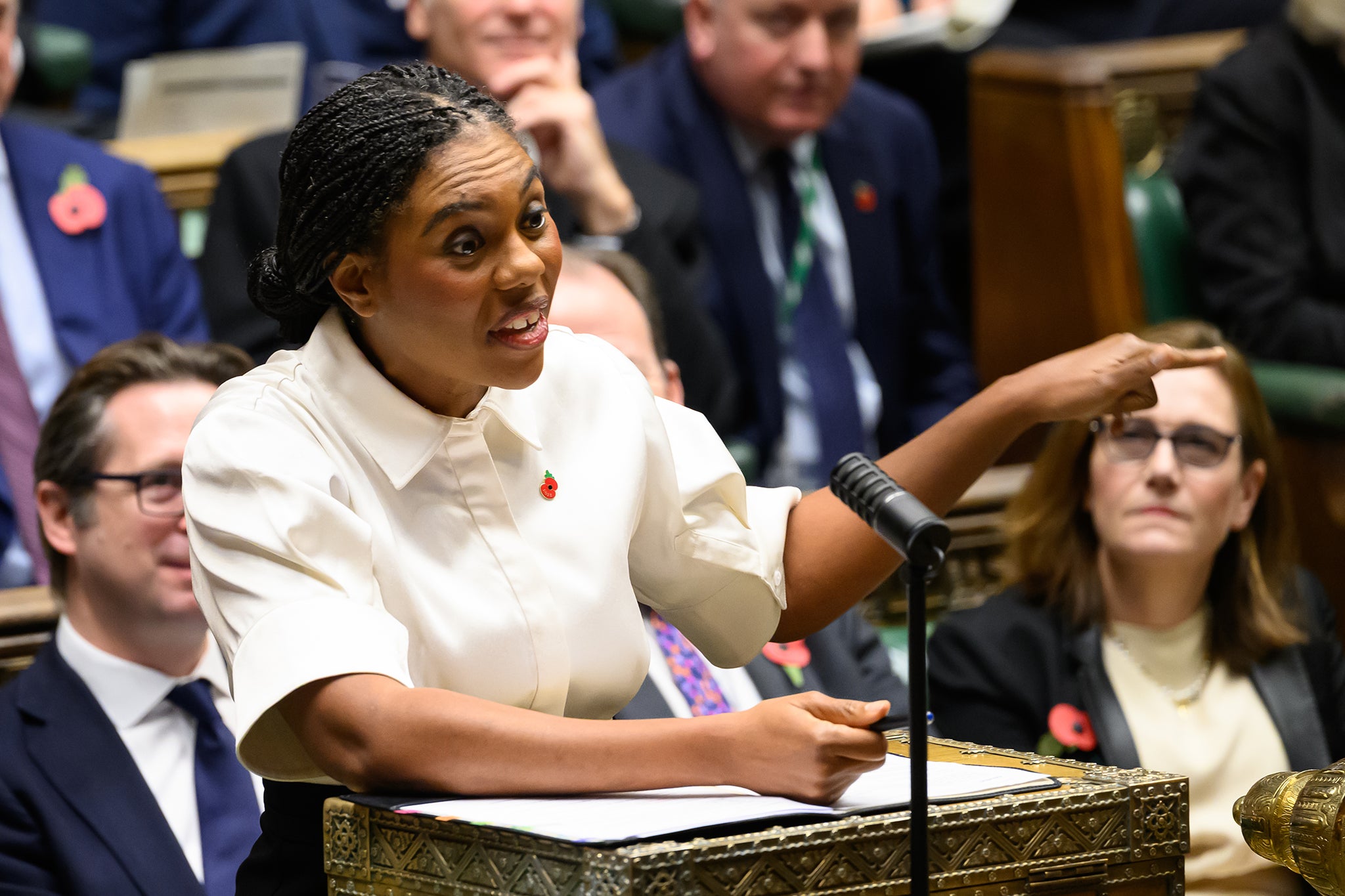
Outlining his spending plans, the chancellor said the UK was being battered by a global economic storm, with the Budget watchdog slashing its forecast for gross domestic product growth next year from 1.6 per cent to just 1 per cent in 2027.
The war in the Middle East is a key driver in the economic forecasts and the public finances have also taken a battering, with the cost of borrowing soaring and the UK spending £14bn more on debt interest this year, Mr Healey said.
But he promised “to steer us through the global economic storms today, to chart a new course for Britain in the years ahead, to give people fresh hope for Britain’s future”.
He told MPs: “Those are the storms we face. We can’t wish them away. We must choose the course we steer through them.”
Reacting to his statement, Tory leader Kemi Badenoch said: “John Healey had a big job to do cleaning up Labour’s mess. This Budget fails to do it. Britain is overspent, over-borrowed and overtaxed. This Budget does not come close to meeting the moment.”
Elsewhere, the Budget was met with mixed reaction, with claims the that the £100 off energy bills from around 20 million homes in bands A to C for council tax bands would be “cold comfort for households”.
The Labour friendly Resolution Foundation think tank said: “Big jumps in energy prices mean bills are set to average £2,210 across 2027 – an increase of £600 (or 38 per cent) on the 2026 average. Support of up to £116 announced today will alleviate less than a fifth of this coming rise in bills.”
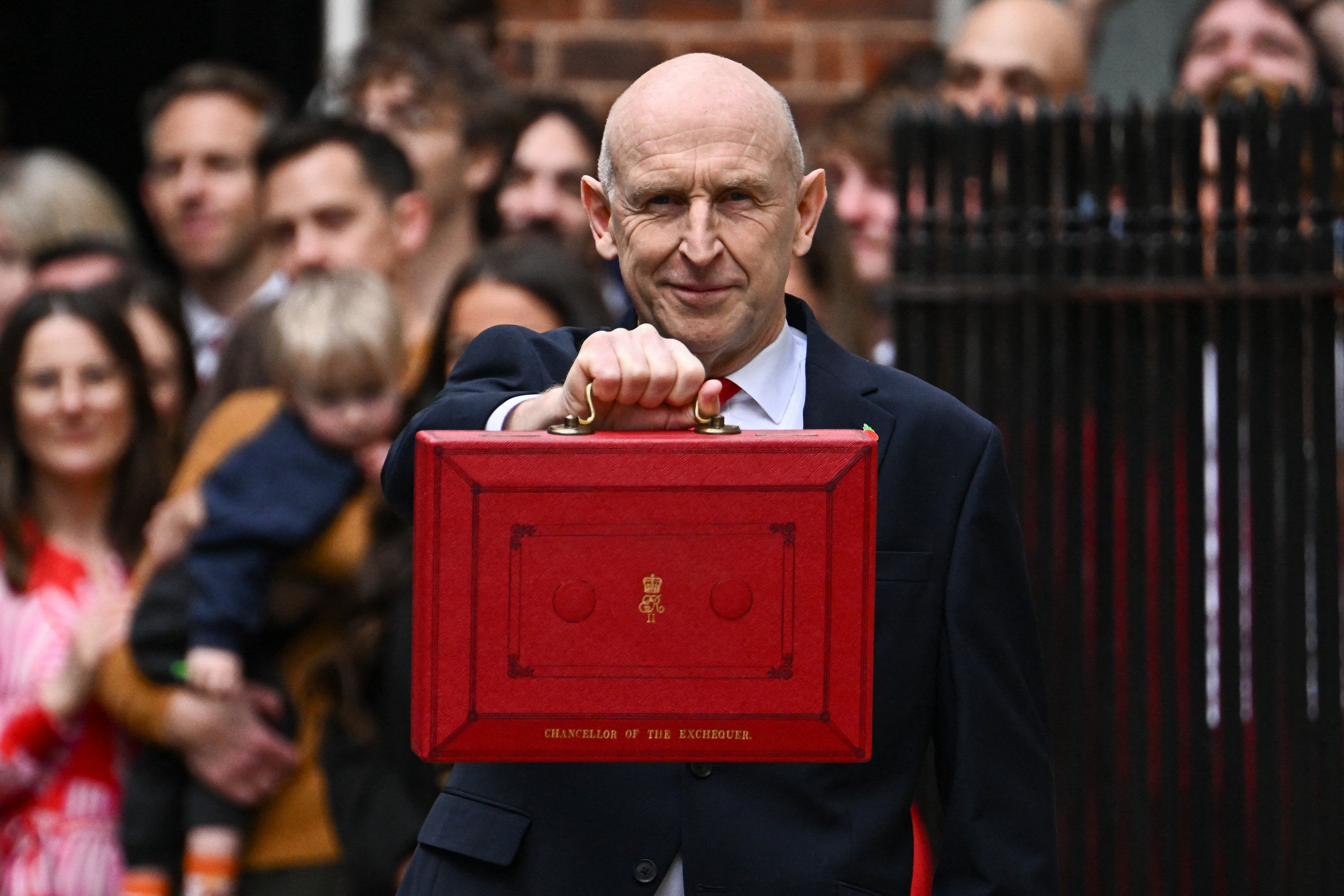
But allies were pleased with Mr Healey’s first outing with the chancellor’s famous red box.
TUC General Secretary Paul Nowak said: "The chancellor has made a good start by doubling the bank surcharge – next he should be prepared to extend it and raise it if profits remain sky high.
"It's right that the government is boosting investment in some industries through the National Wealth Fund, but ministers should have beefed up support for manufacturers struggling with crippling energy costs.”
With Mr Healey announcing his budget as a third opinion poll in a row suggested Labour could win a majority in an election, the Budget – with its series of popular small measures on energy bills, the high streets and family support – fuelled more speculation that Andy Burnham could call an early election in May next year.
But the prime minister swiftly ruled that out in the next 12 months, telling reporters: “I’m not thinking about my own party and its prospects.”
KioskNews shows a cleaned-up reading view extracted from the publisher’s page — the original always lives on their site, not ours.