COP31 climate talks collapse: What Saudi, Iran & Russia opposed & why it matters
How COP31 collapsed over fossil fuels
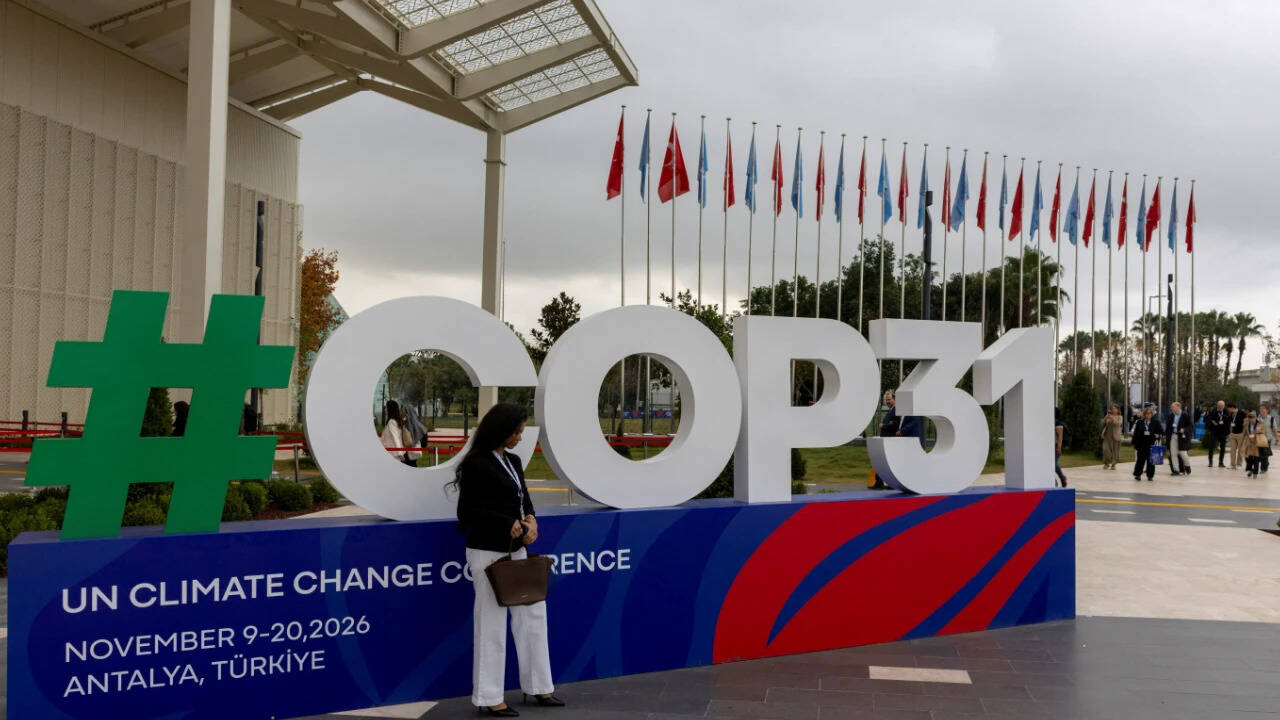
The United Nations climate negotiations at COP31 in Antalya, Turkey, ended without an overarching agreement on Sunday, with deep divisions over fossil fuels, climate finance and carbon capture technology preventing nearly 200 countries from reaching a consensus.The failure came after two weeks of negotiations that continued for more than 50 hours beyond their scheduled conclusion, making the summit the longest-ever United Nations climate conference. It was the first time since the 2009 Copenhagen climate summit (COP15) that countries failed to reach a final overarching agreement.While the European Union and several climate-vulnerable nations opposed a final draft that made no mention of fossil fuels, oil-producing countries, including Saudi Arabia and Russia, resisted language calling for a transition away from coal, oil and natural gas.The breakdown came despite efforts by Turkey and Australia, which jointly led the negotiations, to secure an agreement. UN Secretary-General Antonio Guterres expressed disappointment, warning that delays in climate action would make efforts to tackle global warming increasingly difficult and costly.“I am deeply disappointed that COP31 has ended without consensus on an overarching outcome,” Guterres said.
“Temperatures keep shattering records. Climate extremes keep intensifying. Emissions remain far too high. And every delay makes our task harder and more costly.”Fossil fuel language becomes central sticking pointThe biggest disagreement centred on whether the final agreement should explicitly refer to fossil fuels and the need to transition away from them.The draft proposed by the Turkish-Australian leadership did not mention fossil fuels, prompting opposition from the European Union, the United Kingdom, Norway, Canada, Panama, Vanuatu and a group of least developed countries.Several countries had sought to reinforce the commitment made at COP28 in Dubai three years ago to "transitioning away from fossil fuels" and translate it into concrete action.Ireland's climate minister Darragh O'Brien, speaking on behalf of the European Union, said the bloc could not support an agreement that failed to acknowledge the role of fossil fuels in driving climate change.“It’s unconscionable that we would have a climate act that makes no reference to fossil fuels,” O'Brien said.The EU also warned that the proposed text fell short of the scientific requirements for addressing the climate crisis and risked legitimising continued fossil fuel use.Saudi Arabia, Qatar, Iran and Russia opposed including language on fossil fuels. Russia's representative said, “We cannot agree to any wording on fossil fuels.”Saudi Arabia also defended the inclusion of carbon capture technologies, arguing that they should remain among the options available to address climate change while allowing continued oil and gas production.The draft's explicit language and targets for carbon capture and storage for industrial polluters further complicated the negotiations. Several countries and environmental groups argued that the approach could undermine efforts to reduce overall emissions.Former US Vice President Al Gore criticised the outcome, saying, “The failure of COP31 is an outrage — it is outrageous that a handful of petrostates have veto power over any mention of fossil fuels."Saudi Arabia's influence and questions over negotiationsSaudi Arabia's role in the negotiations came under scrutiny, with negotiators from Europe, small island states, Latin America, Asia and Africa alleging that the country had disproportionate access to the conference leadership.According to the negotiators, Saudi officials had regular access to the Turkish and Australian presidents of the talks, while a promised meeting with the leadership for a representative of a small island state was repeatedly cancelled as the conference went into extended overtime.Riyadh was at the forefront of efforts to resist language on reducing reliance on fossil fuels, the negotiators said, adding that this was a key reason an agreement could not be reached.Ireland's climate minister Darragh O'Brien, speaking on behalf of the European Union, said, "This COP, I believe, was hijacked by some oil states."The Turkish COP presidency rejected allegations of preferential access, saying in a statement that no group or country had received "preferential treatment".
Representatives for Saudi Arabia and Australia did not immediately comment.Saudi Arabia and other members of the Organisation of the Petroleum Exporting Countries (OPEC) have long opposed climate language targeting fossil fuels, arguing that they will remain part of the global energy mix for the foreseeable future.Negotiators also said Riyadh's position was strengthened by the absence of active US engagement at COP31 and the lack of close US-China coordination, which had helped broker compromises at previous climate summits."Instead of having one or two major players helping define the boundaries of the discussion, those boundaries have become less clear," Singapore Environment Minister Grace Fu said.Climate finance and carbon capture deepen divisionsDisagreements over financial assistance for developing countries also contributed to the failure to reach consensus.Developing nations argued that the proposed agreement did not provide adequate financial support to help them adapt to rising temperatures and increasingly extreme weather events.The Philippines delegation stressed that financial commitments needed to be backed by resources for mitigation, adaptation, technology transfer, capacity building and efforts to address loss and damage."Climate finance must be fully mobilized to drive needed scale and speed in mitigation, adaptation, technology transfer, capacity building and loss and damage," the delegation said."A target without means is a promise without a pathway."The negotiations also failed to resolve differences over the details of transitioning away from fossil fuels and climate-related gender action, with several issues deferred to next year's discussions in Ethiopia.Why the failure matters as the 1.5°C threshold slips out of reachThe collapse of the negotiations comes at a critical juncture in global climate action. The United Nations has warned that the world is set to exceed the 1.5 degrees Celsius warming threshold established under the 2015 Paris Agreement.The threshold refers to limiting long-term global warming to 1.5 degrees Celsius above pre-industrial levels. Beyond this level, the risks and intensity of extreme weather events, including heatwaves, floods and droughts, increase.Scientists estimate that the world is currently heading towards warming of between 2.7 and 3 degrees Celsius by the end of the century.Without an overarching agreement, countries failed to secure fresh collective commitments on key issues, including moving away from fossil fuels and providing financial assistance to developing nations facing the effects of climate change.The negotiations also took place against the backdrop of an energy crisis linked to the war in Iran, economic pressures and competing geopolitical priorities, which further complicated efforts to build consensus.Guterres said continued dependence on fossil fuels was worsening the climate crisis and exposing economies to energy price shocks.“The continued addiction to coal, oil and gas is fueling climate chaos, exposing economies to price shocks and undermining energy security.
We can’t put out the fire while pouring fuel on it,” he said.COP31 records progress on separate initiativesDespite the failure to reach an overarching agreement, the summit saw progress on several separate initiatives.Turkey had made global electrification one of its key priorities for the conference. A separate proposal called on countries to increase the share of electricity in total final energy consumption from around 21 per cent currently to 35 per cent by 2035.
Nearly 100 countries signed up to the pledge.The target would require countries to expand the use of electricity in sectors such as transport and industry, including shifting cars, trucks and planes away from fossil fuels and replacing coal with electricity in industrial production.
Several other measures were agreed upon, including a pledge on a just transition for workers and communities dependent on fossil fuels.
Progress was also reported on global adaptation goals and a programme to help countries implement emissions-reduction targets fairly.However, these separate initiatives could not make up for the absence of a comprehensive agreement.Manuel Pulgar-Vidal, president of COP20 and climate and energy lead at the World Wildlife Fund, said the summit had left major issues unresolved.“COP31 left too much undone,” he said.“Too many once again shied away from the toughest decisions, including how to turn their commitment to transition away from fossil fuels into real action. The climate will not wait for governments to find their courage.”
KioskNews shows a cleaned-up reading view extracted from the publisher’s page — the original always lives on their site, not ours.