Healey insists welfare bill will come down under Labour but warns: ‘We never set a timetable for savings’
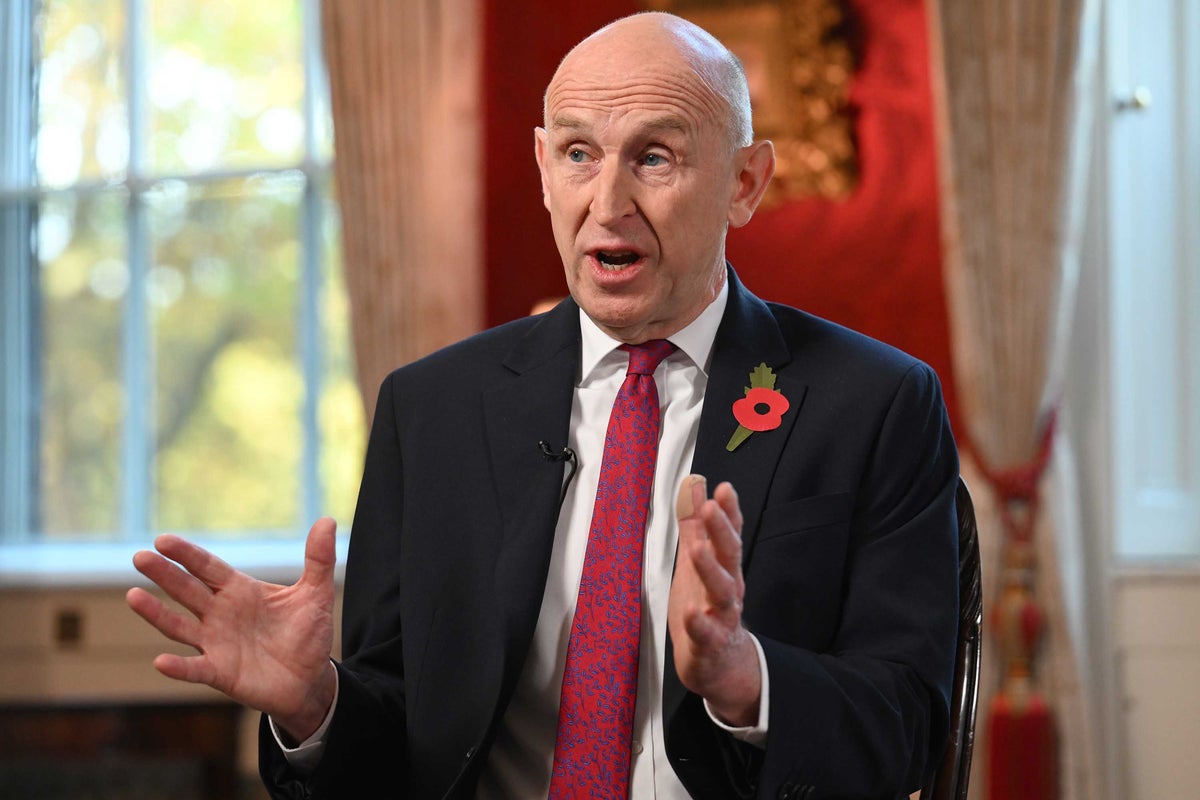
John Healey has insisted Britain’s spiralling welfare bill will be come down under a Labour government, after the chancellor sparked confusion about benefit cuts this week.
Downing Street issued a hurried statement after Mr Healey suggested earlier this week in an interview that there would be a “reduction in the benefits bill” before the next general election.
He insisted the government would “do that in a Labour way”, leading to reports that he had confirmed the cuts would start before July 2029. That forced No 10 to deny any such plans, saying it was an incorrect interpretation of his reply.
Mr Healey on Sunday said media interpretations suggesting he wanted the bill to start falling before the general election were “simply wrong” and he “never set out the timetable for savings”.
Pressed on whether he was promising to bring down the overall benefits bill, or slow down the rate of increase, the chancellor told the BBC’s Sunday With Laura Kuenssberg programme: “The overall bill will come down under Labour.”
“We’ll start the changes next year, and we’ll bring that bill down. Since the election, we’ve already slowed down the rate of increase in the benefits bill, which was – the numbers were booming under the Tories.
“This is a system which is not working. We have to make big changes. We will.
He added: “We’ve set out the timetable for changes. We’ve never set out the timetable for savings, and some of the reporting earlier in the week was simply wrong.”
Mr Healey faced questions on the issue following his maiden Budget and the Office for Budget Responsibility (OBR) warning that sickness and disability benefits could cost £100 billion-a-year before the end of the decade.
Delivering his Budget on Wednesday, the chancellor delayed major changes to welfare until 2027, arguing the government would wait for the outcome of Alan Milburn’s review into the youth unemployment crisis, which is due to be published next month.
He said a government white paper and legislation next year would follow two reviews due to be published this month, one by social security minister Sir Stephen Timms into the personal independence payment (Pip) benefit and another by former health secretary Alan Milburn on young people and work.
The chancellor’s Budget has faced criticism for not dealing with the spiralling cost of welfare, after he made no mention of cuts in his Budget, including from Tory leader Kemi Badenoch, who said the country is “drowning in an out-of-control welfare system”.
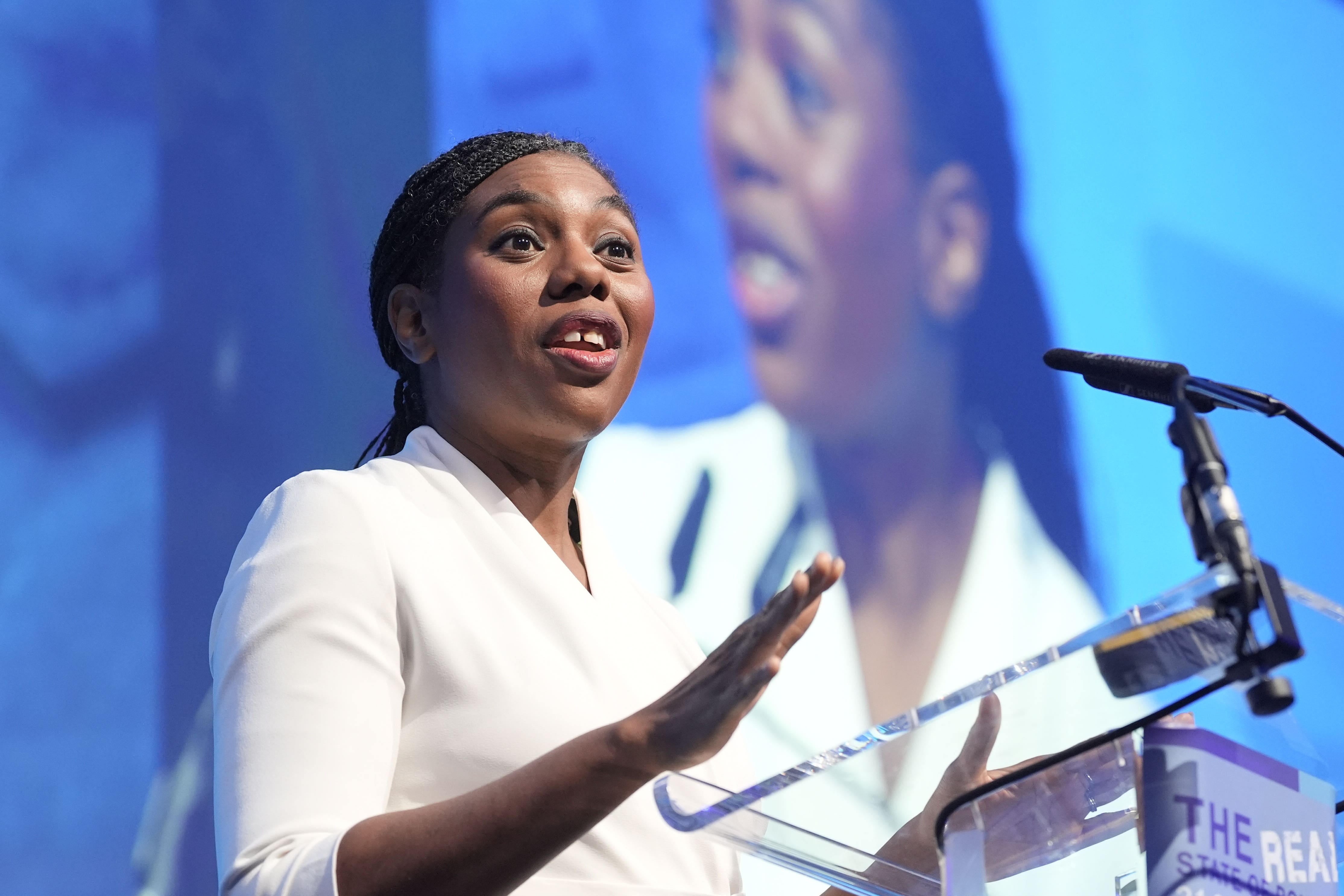
Meanwhile, the IFS think tank warned Mr Healey had delayed making tough decisions on the issue.
The OBR forecast that the total cost of health-related benefits, which includes sickness benefits and personal independence payments (PIP), will reach £105bn by the 2028-29 financial year.
Tory leader Kemi Badenoch accused Labour of leaving a £49 billion “black hole” in the nation’s finances which she claimed would require hefty tax increases.
The Conservatives have said the Government would have to hike levies by £1,700 “per household per year” by 2030-31 to pay for unfunded spending promises.
They say this includes up to £17 billion for a National Care Service and £4 billion for council house-building, and a further £28 billion in “plausible spending pressures” identified by the Institute for Fiscal Studies.
“The Prime Minister gave the game away on Friday when he said he would have written the 2024 manifesto differently,” Mrs Badenoch said in an article for the Sunday Telegraph.
“Let me translate that. He wishes he had more room to raise taxes even further.”
And a former economic adviser to Andy Burnham described the Budget as “small beer” that failed to quell the market’s fears about the Government’s policies.
Ex-Bank of England chief economist Andy Haldane was reminded of his recent comment that the market “suspects that this is a traditional tax-and-spend socialist government with better TikTok videos”.
He told the BBC’s Sunday With Laura Kuenssberg show: “The markets still have those fears.
“We are in a public finance mess. This week’s Budget did relatively little to appease those fears.
“A no score draw Budget for growth, a no score draw Budget for burnishing our fiscal credentials… More is needed of a radical nature. This week’s Budget was not that radical budget.”
KioskNews shows a cleaned-up reading view extracted from the publisher’s page — the original always lives on their site, not ours.