Uncontacted Indigenous tribe reaches out for help in the Brazilian Amazon
Around the world, the number of uncontacted Indigenous tribes continues to dwindle. Indigenous rights advocates estimate that half of the nearly 200 communities still existing in comparative isolation could disappear within a decade, without proper safeguards against climate change, land loss, fame-seeking opportunists, and illegal industrial encroachments. Unfortunately, the situation has apparently grown so dire that some Indigenous groups are reaching out for help—and exposing themselves to potentially deadly foreign diseases in the process.
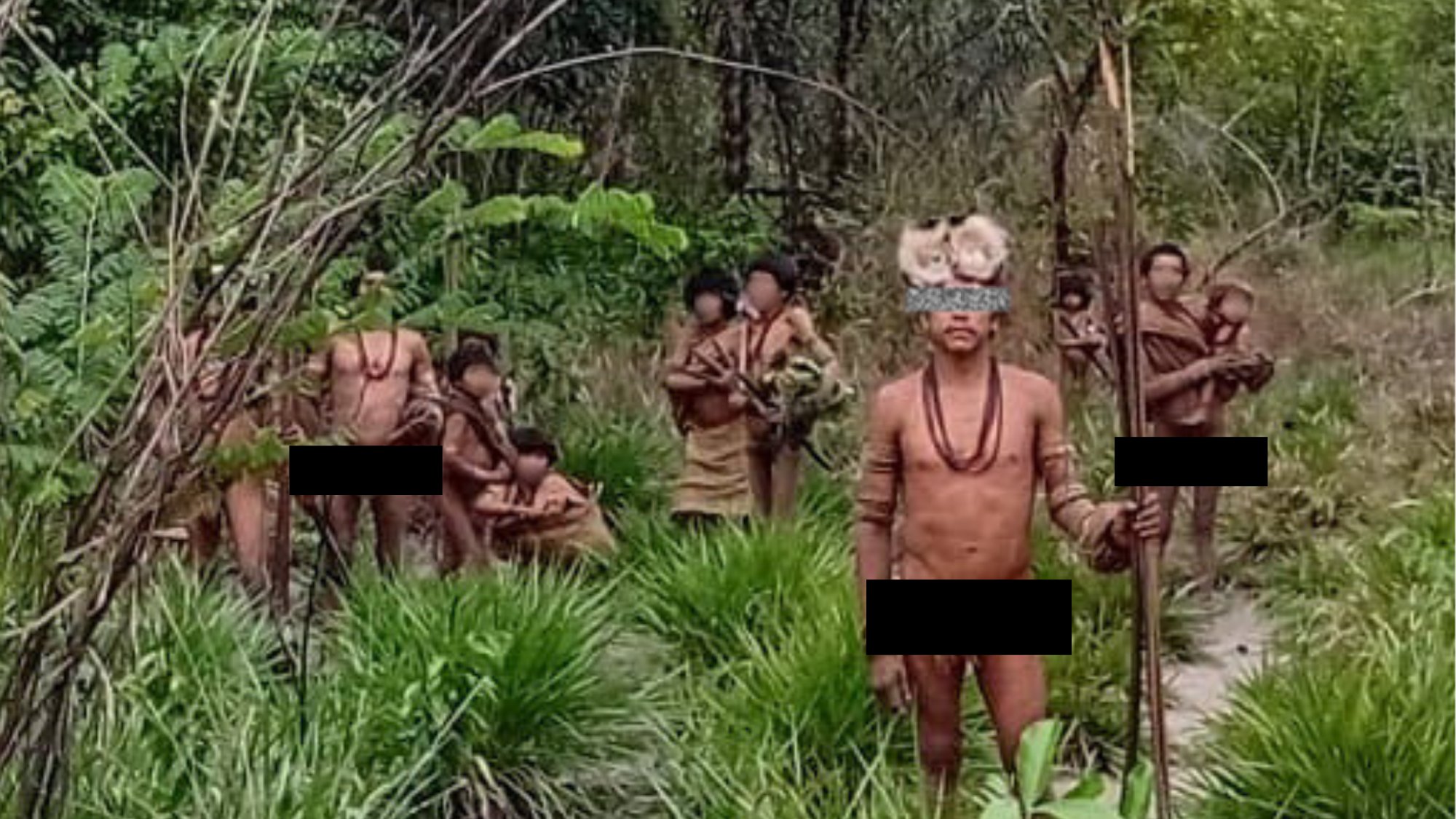
On November 17, the nonprofit advocacy group Survival International reported a recent incident in which 20 members of the Awá people intentionally contacted local government officials in the Brazilian Amazon. Although proficient hunter-gatherers, the group requested yams before taking them back into the rainforest.
“This is a troubling indication of how the continued invasion of uncontacted peoples’ forests puts otherwise self-sufficient Indigenous people in real danger,” Survival International director Caroline Pearce said in a statement.
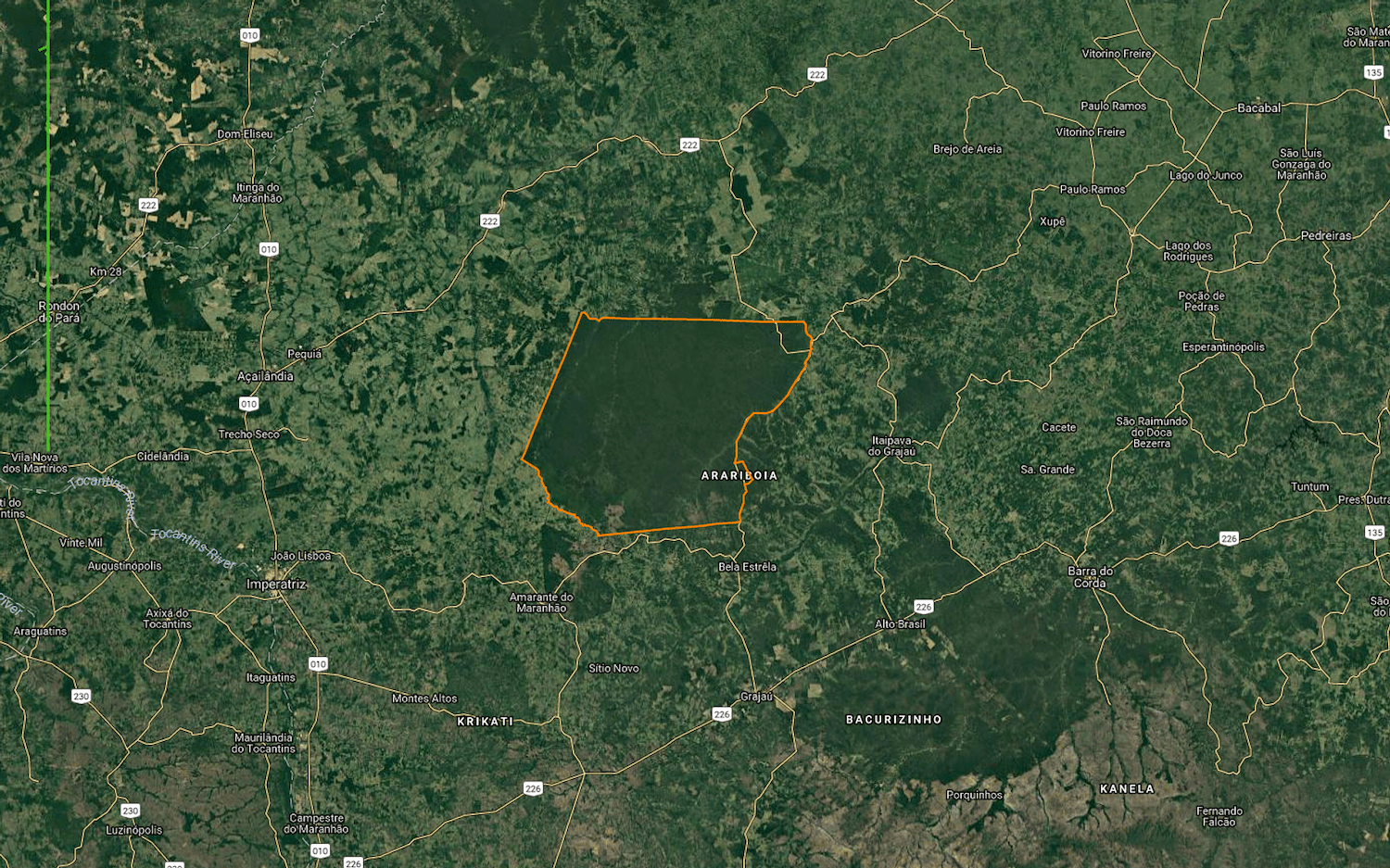
The Awá are one of the world’s last uncontacted Indigenous tribes, whose ties to the Brazilian rainforest stretch back centuries. They faced their first attacks from European settlers during the 1800s, which eventually forced them to adopt a nomadic lifestyle to avoid future encounters. Brazil finally supplied the Awá with settlement areas during the mid-1980s, but it still took years before the government properly invested in demarcated land. In the meantime, numerous deadly interactions with loggers, farmers, and other illegal intruders had reduced the Awá community to barely 300 people. Of those, advocates estimate only about one-third of the hunter-gatherers remain completely isolated from the outside world.
“The Brazilian government must commit the resources necessary to protect [the region of] Arariboia from the loggers and ranchers who are razing it, in flagrant defiance of the law,” Pearce added.
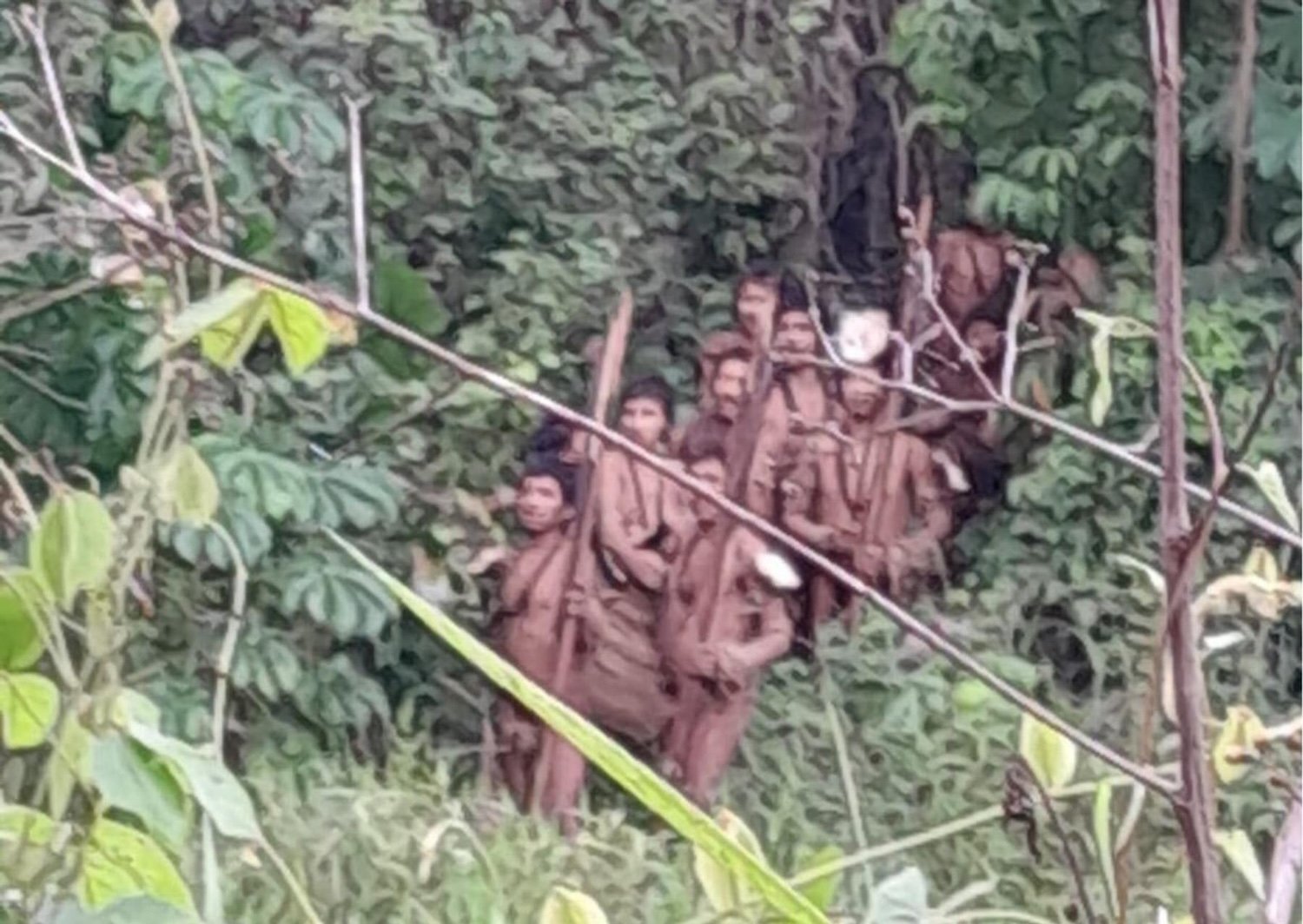
In addition to the advocacy work by Survival International, the Awá are supported by a team of Indigenous members of the Guajajara community known as the Forest Guardians. These volunteers have spent years pushing back against illegal cattle ranchers and loggers attempting to claim land in Arariboia, often dying as a result of their efforts.
“The Forest Guardians have always worked to protect the Awá against encroachment, even at the cost of losing warriors in battle,” the organization said. “We demand immediate action from the relevant authorities…to ensure what the Awá believe is best for them, safeguarding their lives, health, safety and dignity. FOR THE AWÁ, FOR THE TENETEHAR [language], AND FOR THE FOREST!”
KioskNews shows a cleaned-up reading view extracted from the publisher’s page — the original always lives on their site, not ours.