India-New Zealand Free Trade Agreement Takes Effect: Which Sectors Stand To Gain Most
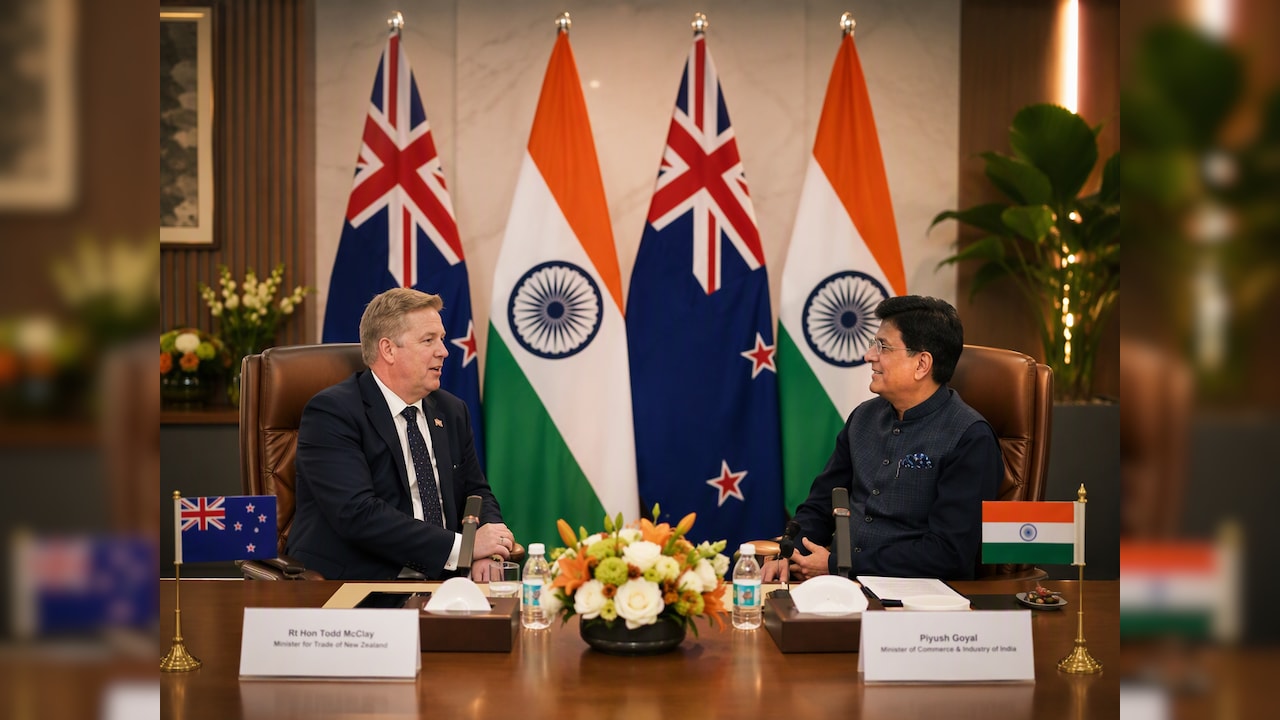
The India-New Zealand Free Trade Agreement (FTA) came into force on October 20 (Tuesday), opening up the New Zealand market to Indian goods without import duties. The deal is expected to improve the price competitiveness of Indian products and create fresh opportunities for exporters across sectors, including engineering, textiles, leather, footwear and pharmaceuticals.
The agreement provides zero-duty access for 100 per cent of India's exports to New Zealand from day one. It comes at a time when Indian businesses are looking to diversify export markets amid changing global trade conditions.
For Indian manufacturers, the removal of import duties could make their products more competitive against goods from countries that do not enjoy similar trade benefits. However, the actual gains will depend on demand, pricing, product quality and the ability of businesses to expand their presence in the New Zealand market.
Also Read | Layoffs Are Rising In Tech, But These Skills Are Helping People Unlock Better Pay
Chandragupt Prakash Mangal, Managing Director of Mangalam Worldwide Limited (MWL), told NDTV that the agreement could open new opportunities for Indian engineering and stainless steel manufacturers. "The India-New Zealand FTA is an important step towards creating more competitive market access for Indian engineering and stainless steel manufacturers. The elimination of duties on iron and steel products can improve the price competitiveness of Indian exports and create opportunities to expand the presence of high-spec industrial products in New Zealand. For manufacturers with established global capabilities, diversifying into newer trade corridors will be increasingly important to building resilient export businesses amid changing global trade dynamics."
India-New Zealand FTA: Which Sectors Could Benefit?
The agreement covers Indian exports across all sectors, including engineering goods, textiles, apparel, leather, footwear, gems and jewellery, and processed foods. Several Indian products previously faced import tariffs of up to 10 per cent in New Zealand. The removal of these duties could help exporters compete on price and explore new customers in the market.
Engineering goods and industrial products are among the sectors that could gain from improved market access. For manufacturers, lower tariff barriers may also make it easier to pitch products to buyers who compare suppliers on cost, quality and reliability.
Small businesses and exporters could also benefit from the agreement. However, duty-free access alone does not guarantee higher sales. Companies will still need to meet product standards, establish distribution networks and build relationships with overseas buyers.
What Does The FTA Mean For India-New Zealand Trade?
India and New Zealand signed the agreement on April 27, 2026. Both countries have sought to deepen economic ties through greater market access, investment and cooperation.
The two sides have set a target of doubling bilateral trade to $7 billion by 2030. The agreement also includes provisions relating to investment and mobility, extending the partnership beyond trade in goods.
New Zealand, in turn, will receive preferential access to the Indian market for a range of its exports. Tariff reductions will cover products including sheep meat, wool and forestry goods, while certain agricultural imports will be subject to specific quotas and conditions.
For India, the agreement offers another route to expand exports and reduce dependence on a limited number of overseas markets.
KioskNews shows a cleaned-up reading view extracted from the publisher’s page — the original always lives on their site, not ours.