How sensory menus can make dining out easier for people with autism
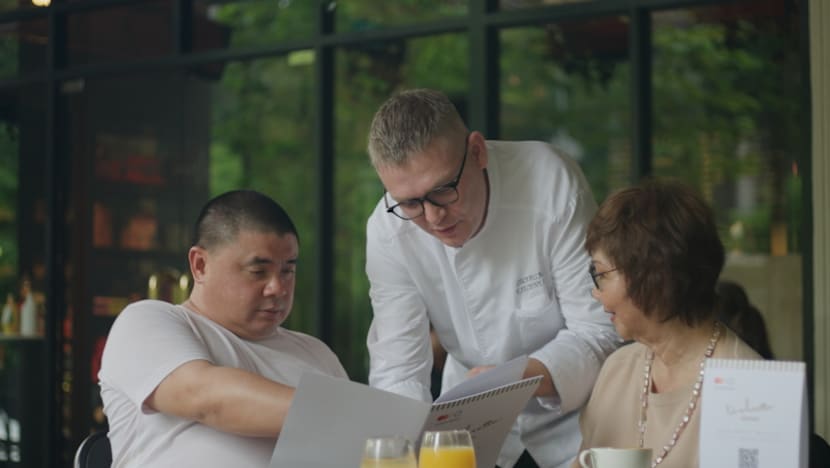
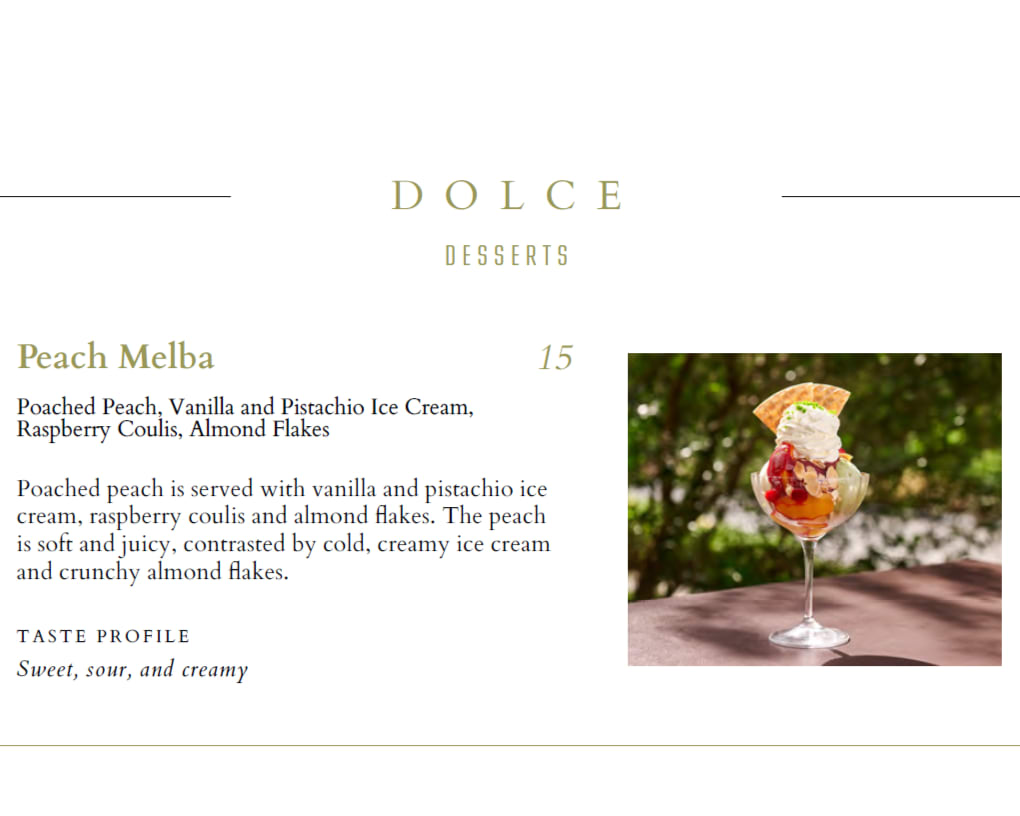
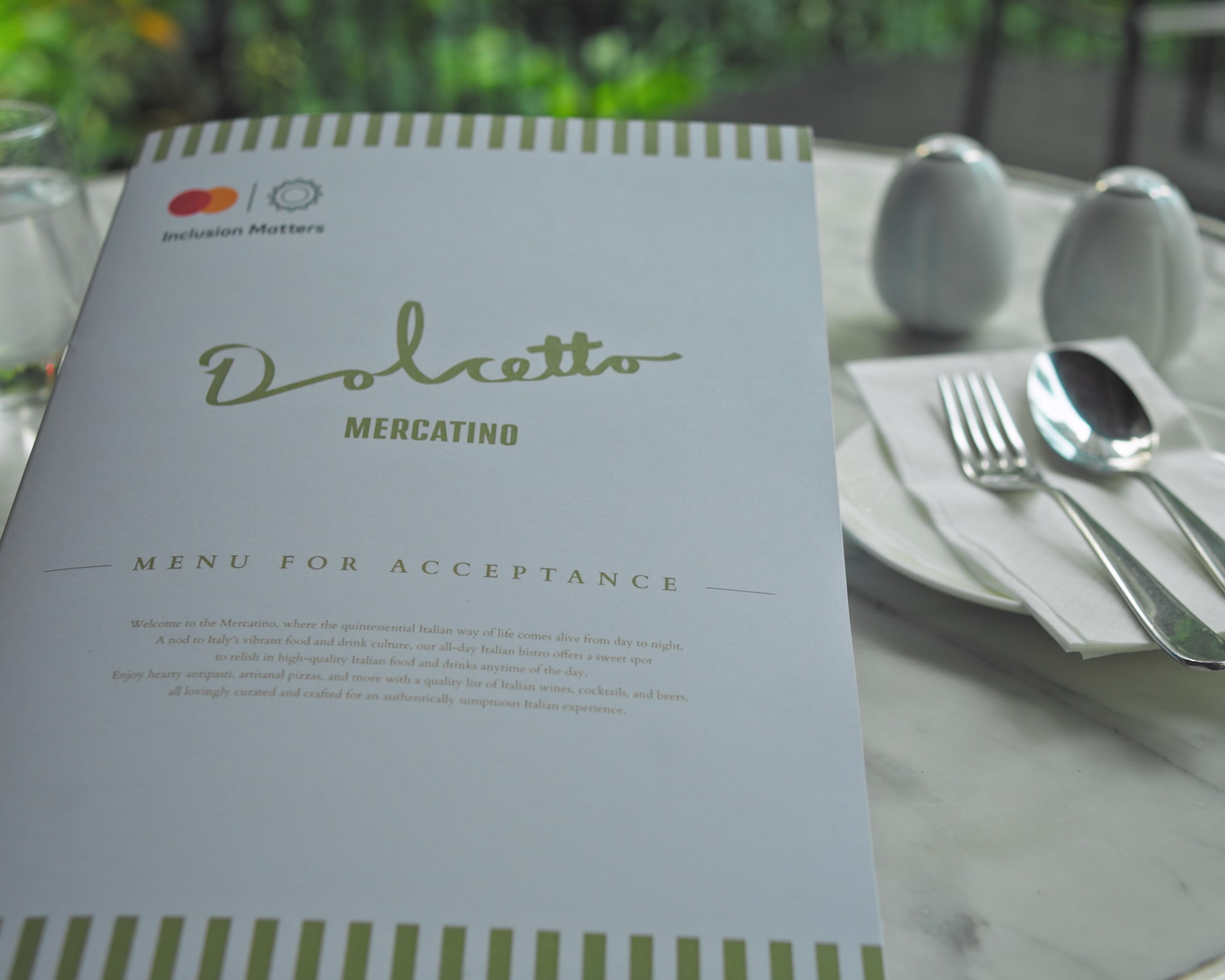
At Dolcetto Mercatino in Conrad Singapore Orchard, diners can find out more than what a dish contains or costs. By scanning a QR code or reading a printed menu, they can learn about its texture, temperature and presentation before ordering.
For example, the menu explains that the mozzarella on Tommy’s Burrata and Truffle Pizza is hot while the burrata is cold. It also describes the cheeses’ creamy texture and the earthy aroma of black truffle – details an ingredients list alone might not convey.
For some people with autism or sensory sensitivities, such information can take some of the uncertainty out of choosing a meal.
The descriptions are part of Sensory Notes, introduced at the restaurant on Oct 1 through Time for Acceptance, a Mastercard initiative developed with St Andrew’s Autism Centre to help businesses better support people with autism.
“Sensory Notes adds information to the dining experience; it does not replace the role of the hospitality team,” said Conrad Singapore Orchard general manager Thomas Hoeborn. Staff remain available to answer questions, give guests time to decide and provide further help when needed, he added.
The hotel is Mastercard’s first hospitality partner in Singapore to roll out Sensory Notes. Its experience at Dolcetto Mercatino will help Mastercard understand how the approach works in everyday restaurant operations and what businesses may need to sustain it.
MAKING INCLUSIVE MENUS EASIER TO CREATE
Sensory Notes was created by creative and public relations agency Eleven for Mastercard Inclusion Matters, and launched in Australia in January this year in collaboration with Mastercard, with input from autism research organisation Autism CRC and autistic Australians. The idea grew from a “designing for the edges” approach – starting with needs that conventional dining experiences may overlook.
In April, Mastercard brought Sensory Notes to Singapore as part of Time for Acceptance. The first phase of Time for Acceptance involved nine organisations across 47 locations, with more than 220 frontline staff receiving autism-related training. A sample Sensory Notes menu was also showcased during the Time for Acceptance launch event at Crimson Restaurant in Bird Paradise.
But creating sensory menus manually can add to a restaurant’s workload. “While businesses recognised its value, creating sensory descriptions and designing an entire menu manually added to the work required for implementation,” said Ms Julie Nestor, Mastercard’s executive vice president of marketing and communications for Asia Pacific.
To make the process easier, Mastercard developed the Sensory Menu Generator with Accenture Song, the creative and customer experience division of consulting firm Accenture. The artificial intelligence (AI) tool uses a restaurant’s existing menu to draft sensory descriptions for each dish and produce a fully designed menu.
HOW DOES THE SENSORY MENU GENERATOR WORK?
According to Accenture Song, restaurants can enter the web address of their existing menu into the tool, which uses AI to infer sensory details such as texture, temperature and presentation based on common cooking and preparation methods found online.
Restaurants can then review and edit the descriptions before the tool generates a draft digital sensory menu and QR code in under 10 minutes.
Ms Nisha Sharma Mullatti, intelligent experience and account lead at Accenture Song, said one consideration during development was ensuring that descriptions remained consistent with the Sensory Notes framework across different dishes and cooking styles.
“Human review is important because the tool is designed to support the process, not make the final decisions for the business,” she said.
BRINGING SENSORY MENUS INTO EVERYDAY DINING
For Sensory Notes to have a lasting impact, restaurants must keep descriptions current, make them easy to find and ensure staff can answer diners’ questions.
Mr Hoeborn said the rollout at Dolcetto Mercatino would help the hotel understand how guests use Sensory Notes and what may need adjusting as menus and guests’ needs evolve.
Restaurants can use the generator independently, but Mastercard said it would continue supporting partners adopting Sensory Notes. It is also assessing whether the initiative helps diners make informed choices and makes sensory menus practical for businesses of different sizes.
Mastercard hopes the generator will help more restaurants in Singapore and across Asia Pacific offer sensory menus. Technology can make these menus easier to create, but their value will ultimately depend on whether they help people with autism or sensory sensitivities choose meals with greater confidence.
Explore the Sensory Menu Generator and see how your restaurant can make dining more accessible for people with autism or sensory sensitivities.
KioskNews shows a cleaned-up reading view extracted from the publisher’s page — the original always lives on their site, not ours.